
Botox Injections Guide: Procedure, Uses, Results, Risks & Safety
Author; S.Raj, M.D, Updated: 6/4/2026 Reading Time: 5 Minutesmin
Botox Injections
Imagine looking in the mirror and noticing smoother skin or enjoying fewer migraines after a quick medical visit—this is the everyday reality for people considering Botox injections.
Whether for softening fine lines or managing troublesome medical conditions like chronic migraines or excessive sweating, Botox has become a versatile solution sought after by millions.
From cosmetic treatments to FDA-approved medical therapies, understanding the full picture of Botox's benefits, process, and safety helps you make an informed decision.
This guide unpacks everything you need to know, setting realistic expectations every step of the way.
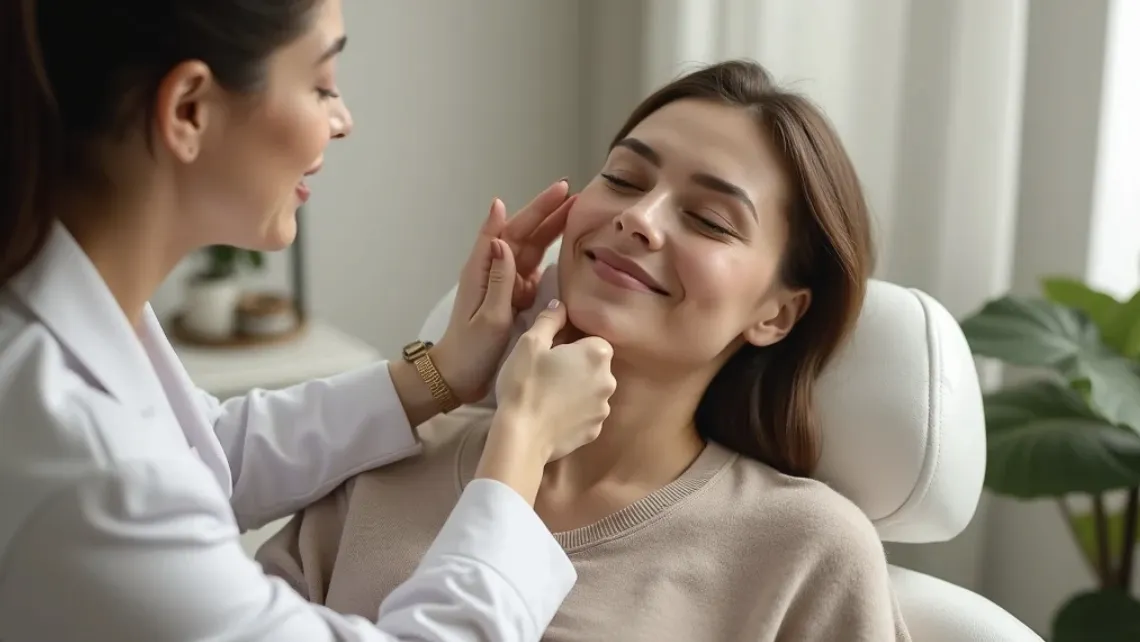
Exploring Botox Injections: A Transformative Solution for Cosmetic and Medical Concerns
Botox injections have become one of the most popular treatments for both cosmetic and medical issues worldwide.
Many people initially seek Botox to soften forehead lines, frown lines, or crow’s feet, hoping to regain a naturally refreshed appearance. But alongside cosmetic uses, growing research and clinical practice has established Botox as a valuable medical tool—offering relief from chronic migraines, excessive sweating, and even certain movement disorders.
Because Botox works by relaxing specific muscles or nerves, it’s proven effective and safe when administered by trained healthcare providers. Still, with such broad appeal, it’s important to recognize that every Botox journey starts with education and realistic expectations. By understanding the science, uses, and safety of Botox, you’re empowered to make confident choices that truly fit your needs, whether for aesthetics or improved quality of life.
In the next sections, you’ll discover the basics of botulinum toxin injection, learn how Botox treatments work beneath the surface, and explore both the medical and cosmetic benefits. We’ll help you weigh the procedure’s real risks and what to expect before, during, and after a Botox session. With practical tips and medically accurate advice, this guide aims to answer the most common questions and address concerns that often surround Botox as a cosmetic and therapeutic solution.

What draws people to botox injections?
People are often drawn to Botox injections for a variety of personal reasons.
For many, the desire to reduce visible signs of aging—like fine lines, frown lines, or crow’s feet—motivates them to seek cosmetic treatments. Others turn to Botox for its medically recognized benefits, such as relief from chronic migraine headaches or for the management of debilitating muscle spasms.
The appeal doesn’t stop at superficial improvements; Botox is also chosen by individuals hoping to regain confidence, ease discomfort, or simply prevent certain physical symptoms from interfering with daily life. Because these injections are minimally invasive and require virtually no downtime, they’re seen as a practical, low-commitment solution compared to surgical options or more intensive therapies.
The versatility and safety profile of botulinum toxin injections have made this treatment mainstream. These injections appeal to diverse age groups, genders, and health backgrounds. For some, Botox is part of a proactive wellness routine. For others, it’s a targeted medical intervention.
Regardless of motivation, the underlying desire is the same: to look and feel better, more comfortable, and confident in one’s own skin or health.
Overview: Botox for wrinkles, migraines, and sweating
People are often drawn to Botox injections for a variety of personal reasons.
For many, the desire to reduce visible signs of aging—like fine lines, frown lines, or crow’s feet—motivates them to seek cosmetic treatments. Others turn to Botox for its medically recognized benefits, such as relief from chronic migraine headaches or for the management of debilitating muscle spasms.
The appeal doesn’t stop at superficial improvements; Botox is also chosen by individuals hoping to regain confidence, ease discomfort, or simply prevent certain physical symptoms from interfering with daily life. Because these injections are minimally invasive and require virtually no downtime, they’re seen as a practical, low-commitment solution compared to surgical options or more intensive therapies.
The versatility and safety profile of botulinum toxin injections have made this treatment mainstream. These injections appeal to diverse age groups, genders, and health backgrounds. For some, Botox is part of a proactive wellness routine. For others, it’s a targeted medical intervention.
Regardless of motivation, the underlying desire is the same: to look and feel better, more comfortable, and confident in one’s own skin or health.
What You'll Learn About Botox Injections
What botox injections (botulinum toxin) are and how they work
The medical and cosmetic uses of botox injections
Step-by-step procedure overview
The safety, risks, and side effects of toxin injections
What to expect before, during, and after treatment
Who should and should not get botox injections
What Are Botox Injections?
Definition of botox injections (botulinum toxin)
Botox injections refer to a minimally invasive treatment that uses botulinum toxin type A—a purified protein derived from the bacterium Clostridium botulinum.
In medical settings, small, safe doses of this toxin are injected into targeted muscles or glands to produce specific, temporary changes in function. Botox is actually a brand name, but similar FDA-approved products based on the same principle exist, including Dysport, Xeomin, and Jeuveau. These treatments have been extensively studied in clinical trials and are considered effective in both cosmetic and medical contexts. which add volume beneath the skin, Botox works by relaxing the muscles responsible for dynamic wrinkles or abnormal movements.
Approved uses of botulinum toxin focus on temporary improvement of visible facial lines, chronic migraine relief, excessive sweating, and certain movement or bladder conditions. Administered as a series of quick, precise injections, Botox’s effect typically remains localized to the treatment area, resulting in predictable, safe outcomes when performed by experienced professionals.
The product used for injections—known as a botulinum toxin product—is produced under strict laboratory conditions to ensure utmost safety and consistency.
Understanding botulinum toxin injection and botulinum toxin product
The botulinum toxin injection process involves delivering a small amount of the active toxin into specific muscles or glands just beneath the skin.
Once injected, the toxin prevents these muscles from receiving signals to contract, thereby causing a temporary “relaxation.” It’s crucial to note that, though the word “toxin” sounds intimidating, the formulation and dosage used in aesthetic or medical clinics is extremely diluted and meticulously controlled. The botulinum toxin product is manufactured in a sterile laboratory, ensuring it’s free from potentially dangerous contaminants. It is only available to trained healthcare professionals, further reducing the risk of accidental misuse. This allows for targeted results—smoothing facial lines, calming overactive sweat glands, or reducing chronic pain—while maintaining the safety and health of surrounding tissues.
When considering any cosmetic or medical therapy, it’s essential to discuss options thoroughly with your healthcare provider. They can explain the differences between various botulinum toxin products, recommend the best option for your individual goals, and walk you through expected results and potential risks. Proper education and realistic expectations are a cornerstone of every responsible toxin injection experience.
Medical safety and FDA-approved uses of botox and toxin injections
The safety of Botox injections is well established, especially when used strictly within their FDA-approved indications.
Since the late 1980s, Botox has undergone rigorous evaluation in hundreds of peer-reviewed clinical studies and real-world medical practice. Today, the FDA recognizes botulinum toxin injection as a safe and effective option for temporary reduction of moderate-to-severe glabellar lines (frown lines between the brows), lateral canthal lines (crow’s feet), forehead lines, chronic migraine prevention, excessive sweating in the underarms, eyelid twitching (blepharospasm), cervical dystonia (abnormal neck muscle contraction), and overactive bladder symptoms. Trained healthcare providers follow precise dosage and injection procedures designed specifically for these uses.
Like any medical or cosmetic procedure, safety depends on provider experience, careful patient selection, and adhering strictly to medical guidelines. The risk of side effects, including unwanted muscle weakness or spread of effect beyond the intended area, can be minimized by ensuring only qualified medical professionals perform your treatment.
“Botox injections are a minimally invasive treatment with a well-established safety profile when performed by an experienced healthcare provider.”
How Do Botox Injections Work?
Botox injections and their mechanisms: How does botulinum toxin block nerve signals?
Botox injections work by blocking the release of a neurotransmitter called acetylcholine at the point where nerves meet muscle fibers. When acetylcholine cannot reach its target, the muscle does not receive the signal to contract. This relaxation effect is what makes Botox so useful in managing unwanted facial wrinkles, as well as certain medical conditions that result from overactive muscles or glands. The action occurs only in the area treated—so, for example, an injection in the forehead will not impact other muscles or systemic functions.
The treatment’s effect is temporary. Within a few months, new nerve terminals form, muscle activity returns, and any dynamic wrinkles or symptoms gradually reappear unless further injections are administered. This predictable mechanism allows your healthcare provider to customize treatments to your needs, ensuring just enough muscle relaxation for natural and desirable results.
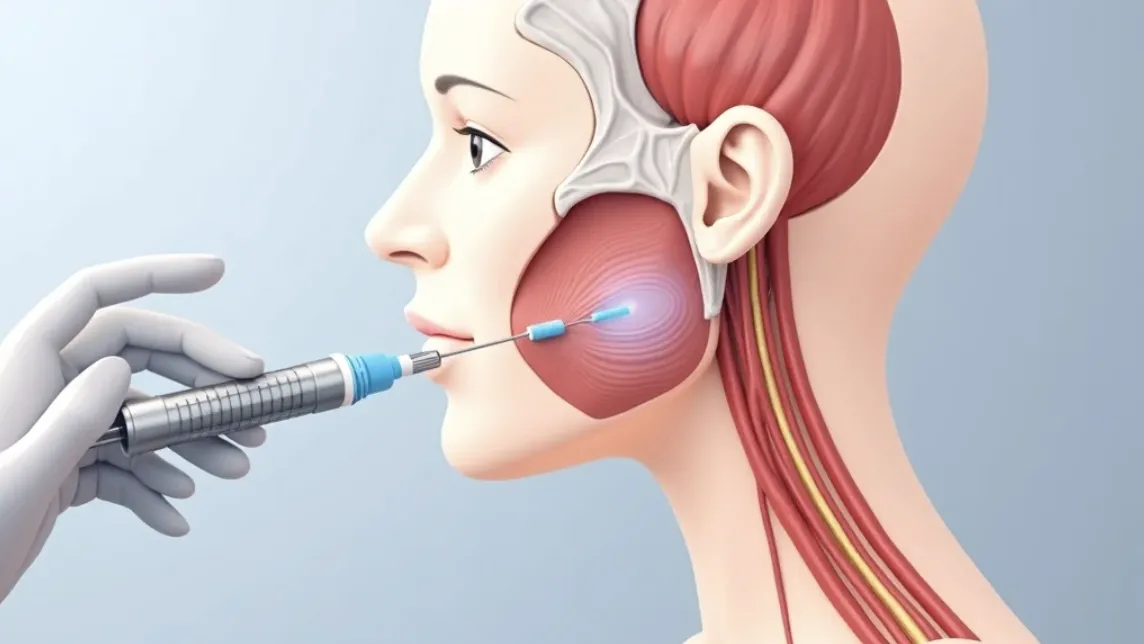
Muscle relaxation and smoothing of dynamic wrinkles
The most well-known effect of Botox injections is muscle relaxation that leads to smoother skin in treatment areas.
When tiny facial muscles—those responsible for repeated expressions like frowning or squinting—are relaxed, the overlying fine lines and wrinkles soften and, often, disappear temporarily. This is especially effective for frown lines (between the eyebrows), forehead lines, and crow’s feet lines around the eyes. Because only specific muscles are targeted, the rest of the face retains its natural animation and expression.
Over time and with repeated use, many patients notice not just a softening of existing wrinkles but also a slowing in the formation of new lines. This effect occurs because relaxed muscles aren’t continually creasing the skin, preventing further deepening. The result is a refreshed, youthful appearance without the need for surgery or extended downtime.
How botox injections affect muscle movement
Botox injections do not affect sensation or facial feeling; they only relax the targeted muscle’s ability to contract.
This balance is crucial: your healthcare provider carefully selects injection sites to avoid unwanted effects like drooping eyelids or unnatural expressions. Most patients maintain normal facial movement for everyday expressions but experience a reduction in undesirable muscle activity, such as deep frown or forehead furrowing.
In medical treatments, this same principle is applied to overactive or painful muscles elsewhere in the body, or to overactive sweat glands. Proper placement and dosing are key for safe, consistent effects—another reason why choosing an experienced, board-certified professional for your injection is so important.
What Are Botox Injections Used For?
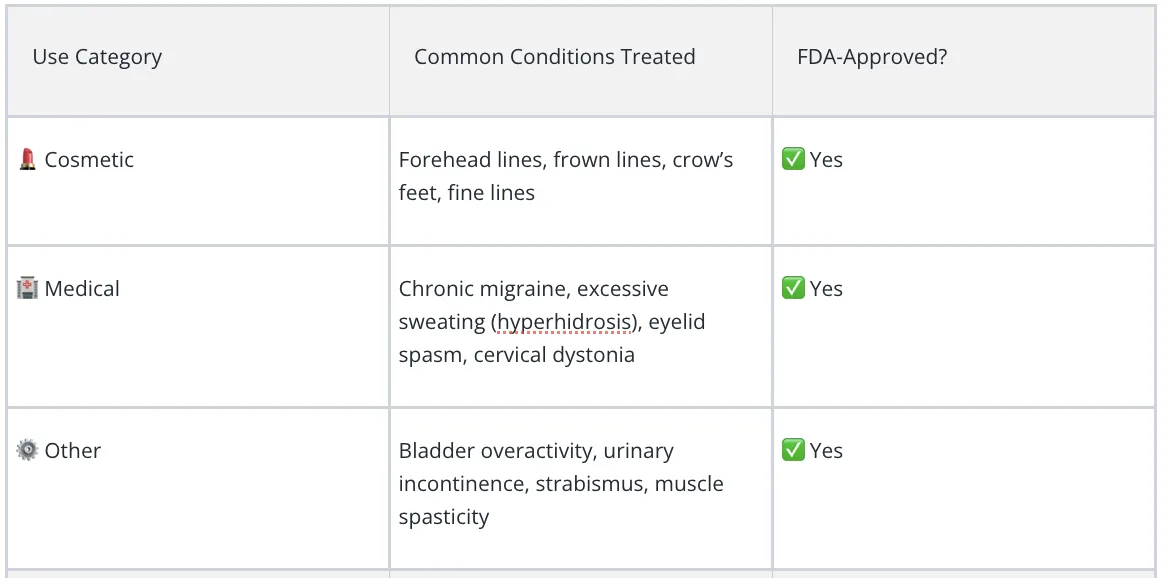
Cosmetic uses: Botox injections for facial wrinkles
Botox injections are most famous for their ability to soften and reduce facial wrinkles.
The most successfully treated areas include frown lines (lines between the eyebrows), forehead lines, and crow’s feet (the “feet lines” radiating from the eyes). By targeting facial muscles that create dynamic lines—those visible with movement—Botox relaxes the area and smooths the surface skin. Unlike dermal fillers, which add volume, Botox injections focus on muscle relaxation for a natural look and feel. Many people choose Botox as part of an anti-aging routine to subtly maintain a refreshed appearance over time.
Cosmetic botulinum toxin treatments are suitable for adults of many ages—as a preventive or corrective measure—though the best candidates are physically healthy, have realistic expectations, and wish to address moderate to severe expression lines.
Medical uses: Botox injections for migraines, excessive sweating, and muscle conditions
Beyond aesthetics, botulinum toxin injections play a critical role in managing certain medical conditions.
For instance, people suffering from chronic migraine often find relief with Botox, which is FDA-approved to reduce headache days in those with frequent migraines. The mechanism is not fully understood but is believed to involve blocking pain signaling pathways at the nerve-muscle interface. Botox is also used to treat hyperhidrosis—a condition characterized by excessive sweating—by blocking the chemical signals that activate sweat glands.
In addition, botulinum toxin products are approved for the treatment of muscle spasticity (such as in cerebral palsy or post-stroke symptoms), cervical dystonia (abnormal neck muscle contractions), and certain eye muscle disorders like blepharospasm and strabismus. Its effect is localized and temporary, providing symptom relief without the use of systemic medications.
Other approved uses: Bladder and eye conditions
Botox injections are FDA-approved for urological and ophthalmic applications as well.
In cases of overactive bladder or urinary incontinence that haven’t responded to other treatments, Botox can be injected directly into the bladder wall to decrease involuntary muscle contractions, thereby reducing urgency and accidental leakage. For certain eye disorders, such as blepharospasm (uncontrollable blinking) and strabismus (crossed eyes), botulinum toxin injection helps by relaxing the affected muscles and improving control.
These diverse applications of Botox highlight the importance of working with a healthcare provider who understands the full range of toxin product uses and can recommend treatment for your unique health or cosmetic goals.
How Are Botox Injections Administered?
In-office procedure and steps for botox injections
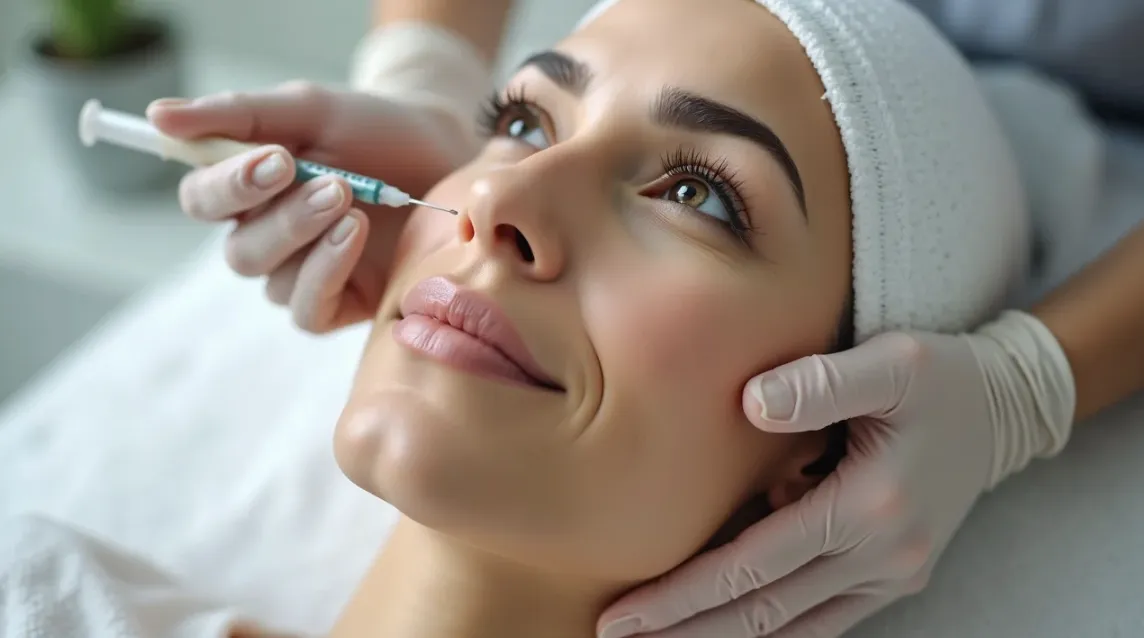
Getting Botox injections is a quick, straightforward process usually done in a doctor’s office or clinic.
After an initial consultation—where your healthcare provider discusses your goals, health history, and answers questions—the actual procedure takes only about 10–30 minutes. Your treatment area is cleaned, and your provider may mark the precise injection sites. They will use a tiny, sterile needle to deposit a small amount of botulinum toxin product into each targeted muscle or gland.
The experience is typically described as a series of small pinches or pricks, with minimal discomfort and virtually no downtime. You can usually return to daily activities immediately after your appointment, making Botox a highly convenient option for busy lifestyles. Multiple areas can be treated in a single session, and the number of injections varies based on desired results and muscle strength.
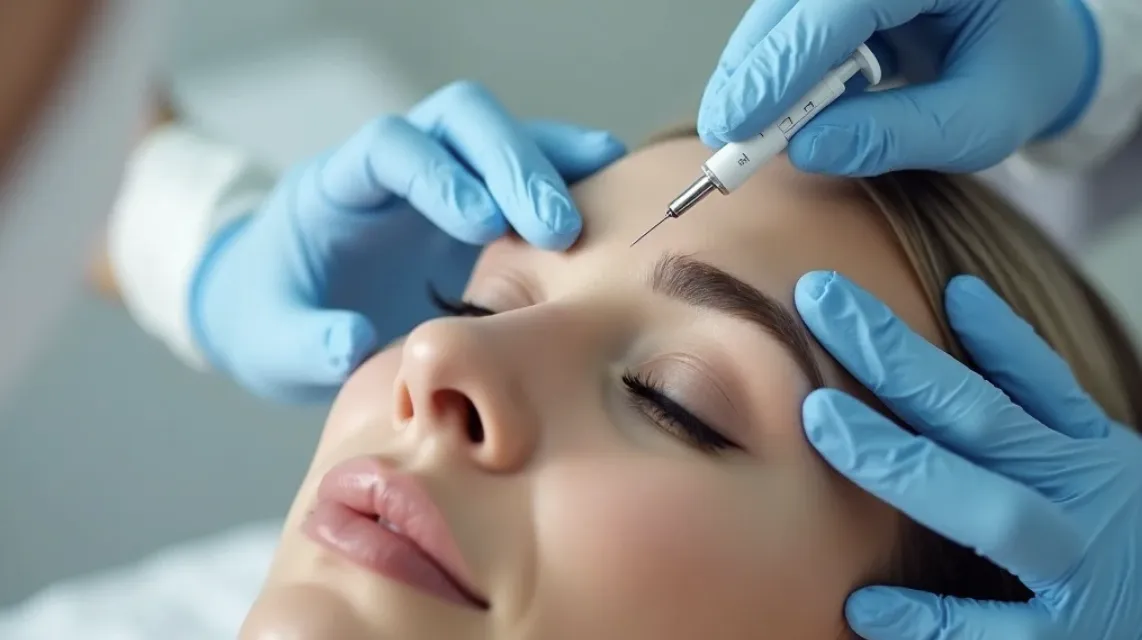
What to expect: Thin needle, number of toxin injections, treatment areas
During the procedure, your provider carefully selects the correct treatment area and administers each toxin injection using a fine-gauge needle.
Most facial treatments involve several small injections per area—for example, both forehead lines and frown lines may require multiple injection points. The amount of toxin product used in each site is quite small, ensuring safety and precision.
Commonly treated cosmetic areas include the forehead, “11 lines” between the brows, and outer corners of the eyes. For medical concerns, injection sites will differ based on the targeted symptom (such as the scalp for migraines or underarms for sweating).
Aftercare instructions are provided immediately, including steps to minimize bruising, swelling, or any unwanted spread of the product.
Role of your healthcare provider in safety and precision
The expertise of your healthcare provider is crucial for a safe and satisfying result.
A properly trained and certified professional will know not only how much product to inject, but precisely where to place each injection for optimal effect—avoiding unintended muscle weakness, drooping, or asymmetry. They use anatomical landmarks and patient-specific goals to guide their technique, and will review your full medical history to prevent complications.
Remember, the best outcomes from botulinum toxin injection come from personalized care and a partnership between you and your provider. Never allow unqualified individuals or informal settings to administer toxin injections; doing so increases the risk of serious side effects.
Do Botox Injections Hurt?
Pain level and patient experience with botulinum toxin injection
Most people find Botox injections only mildly uncomfortable, if at all.
The sensation is often described as a quick pinch or tiny prick at the injection site. Because such a small needle is used and the procedure is so brief, the discomfort lasts just seconds. Patients with a low pain threshold or those concerned about injection pain should discuss options with their healthcare provider beforehand.
For most, the anticipation is usually worse than the actual procedure. Any minor pain disappears rapidly, and most people feel well enough to resume activities immediately. It’s rare for anyone to require more than basic comfort measures.
Numbing options: Ice, anesthetic cream, vibration
To further minimize any discomfort, clinics may offer numbing options such as cold ice packs applied before or after the injections, topical anesthetic creams, or even a gentle vibration device that distracts the skin’s nerves.
These options can be especially helpful for sensitive areas or first-time patients with anxiety about needles.
Always let your provider know if you have special preferences so they can maximize your comfort and ease any anxieties.
What most patients describe during toxin injections
The majority of Botox patients describe the injection experience as very tolerable—much less painful than a standard vaccination or blood draw.
Some people feel a brief sting, mild pressure, or a slight burning sensation, but these feelings dissipate within seconds. There’s usually no lingering pain after you leave the clinic. For most people, the experience is so quick and straightforward that they’re surprised how little it “feels like a medical procedure” at all.
Concerns such as swelling, bruising, or moderate tenderness at the injection site do sometimes occur, but these are temporary and resolve within a few hours to several days. If you have specific worries around discomfort or treatment anxiety, discuss these candidly with your healthcare provider—they can tailor the experience to keep you as comfortable and relaxed as possible.
How Long Do Botox Injections Take to Work?
Initial effects of botox injections and expected timeline
Once administered, most people start noticing the early effects of Botox injections within 1–3 days.
The initial changes are subtle—the treatment area gradually feels and looks different as the targeted muscles relax. However, it’s normal for the most dramatic improvements (like smoother lines and visibly reduced movement) to take up to a week to become fully evident.
The exact timeline may vary based on the botulinum toxin product used, the specific area treated, individual muscle strength, and your unique body chemistry. For migraine patients, a reduction in headache days and severity may begin as soon as several days after therapy, with full benefit reached over the following week or two.
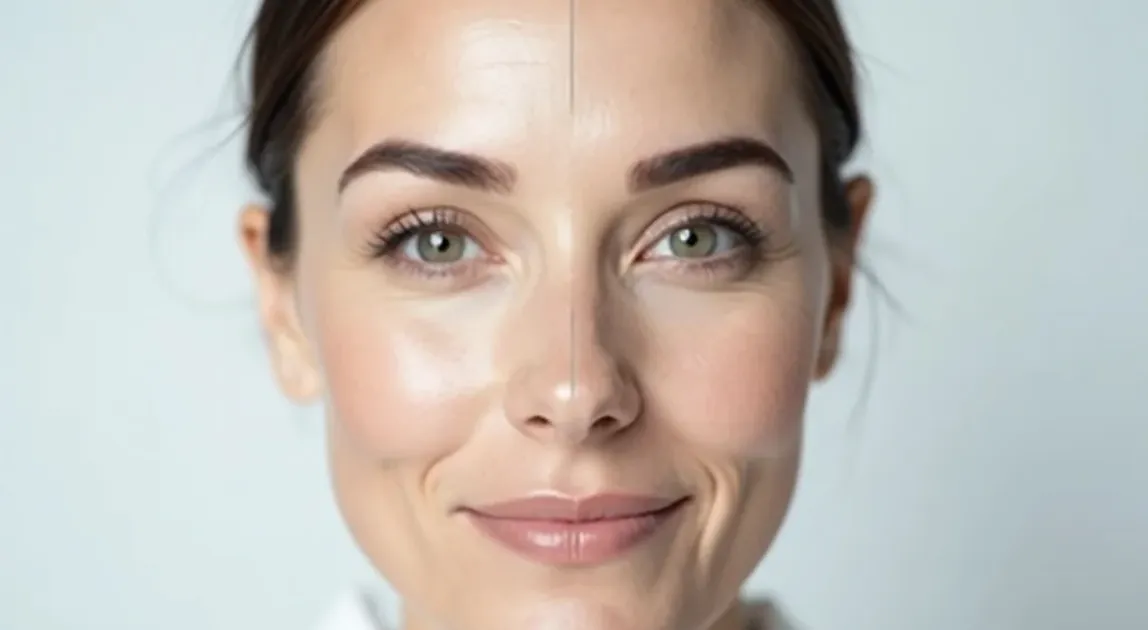
Full results from botulinum toxin injection: 1–2 weeks
Full results of botulinum toxin injection are usually apparent within 7–14 days.
Most people experience gradual smoothing of wrinkles, improved ease of facial movement, or decreased symptoms in the injected area within this two-week window. It’s important to be patient: results are not instant, but the steady onset allows your appearance to change subtly and naturally without looking “frozen” or obvious to others.
Your provider will typically recommend a follow-up visit around this time to assess the effect and determine if any “touch-up” injections are needed for optimal symmetry or desired look. Accurate assessment can only occur after this two-week timeframe, so don’t rush to judge results before then.
How Long Do Botox Injections Last?
Typical duration of effects from botox injections
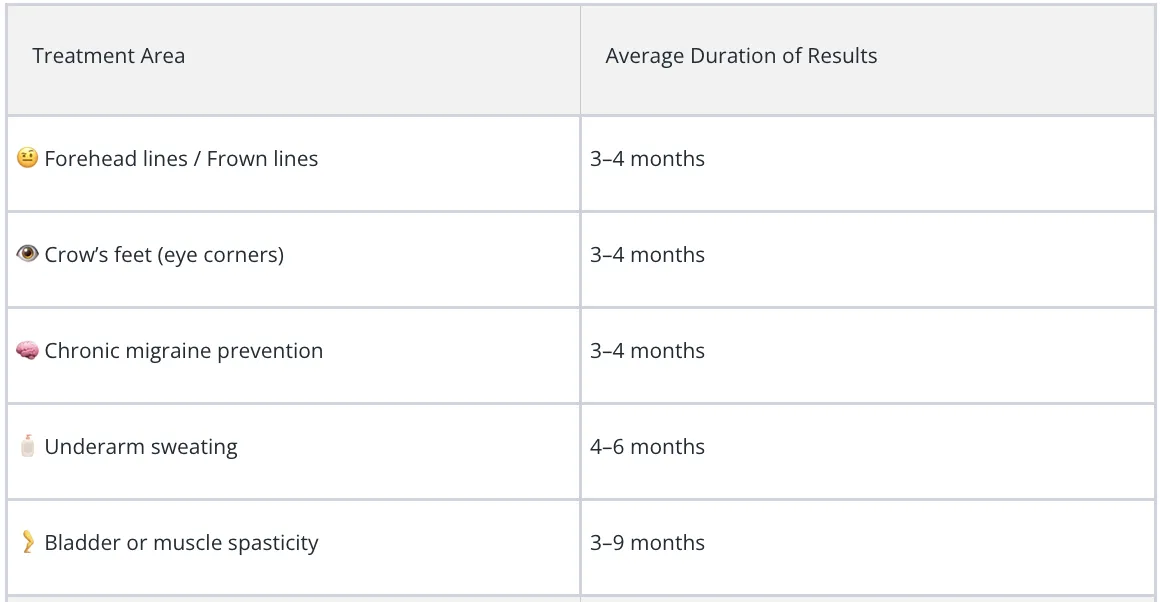
On average, the effects of Botox injections last 3–4 months, though some people may notice benefits extending up to 6 months or more.
As the toxin effect gradually wears off, target muscles slowly regain normal activity—and facial lines, sweating, or muscle symptoms will begin to return. Consistent, repeated treatments help maintain these benefits over time.
The duration depends on several factors, including the treatment area, your body’s natural metabolism, and lifestyle choices. Areas with more frequent movement (like the forehead) may metabolize the toxin product a bit faster than less active sites.
Factors affecting how long toxin injection results last
Your unique biology, age, muscle strength, lifestyle, and previous history with botulinum toxin treatments can all impact how long effects last. Individuals with faster metabolism, strong facial muscles, or highly animated expressions might require more frequent injections to maintain desired outcomes. Likewise, the specific botulinum toxin product formulation used, dosage, and treatment area contribute to how quickly the body absorbs and recycles the product.
To optimize your results and duration, discuss maintenance schedules with your healthcare provider—they can adjust timing and doses based on your goals and response. Regular follow-up and healthy skin habits can help extend benefits between sessions.
Botox Recovery and Aftercare
Immediate post-procedure guidelines after botox injections
After a Botox injection, there’s little to no downtime, but you should follow a few simple steps for optimal results. Avoid rubbing or massaging the injection site for several hours, as this could promote unwanted spread of the toxin. It’s also best to avoid strenuous activity, saunas, hot tubs, or lying flat on your back for at least the first 4–6 hours after treatment.
Most people return to work, school, or normal routines right away. Your provider will give you specific aftercare instructions tailored to your treatment area and medical background. Following these guidelines supports rapid healing and helps reduce minor bruising or swelling.
Swelling, bruising, and their resolution
Mild swelling, redness, or slight bruising at the injection site may occur after botulinum toxin injections. These minor side effects are short-lived—usually resolving within a few days. Gentle application of a cold pack or over-the-counter pain relief can help with discomfort or swelling. In rare cases, temporary, mild headache or tenderness can occur, but these symptoms fade quickly as the area heals.
If you notice any unusual or persistent side effects, contact your healthcare provider for advice and assessment. Uncommon symptoms like pronounced drooping, vision changes, or difficulty swallowing should never be ignored.

Returning to normal activities after toxin injections
You can get back to most normal activities almost immediately after Botox injections. Gentle walking, office work, and daily routines are all safe. For best results, avoid intense exercise, hot yoga, tanning beds, or facials on the day of treatment. Take care not to press, rub, or sleep directly on the treated area until after the first evening post-injection.
Most swelling, redness, or small marks at the injection site fade within a few hours. You’ll likely look and feel normal to friends, family, and coworkers—making Botox easy to discreetly fit into a busy lifestyle.
Side Effects of Botox Injections
Overview: Side effects and common reactions to botox injections
Side effects associated with Botox injections are generally mild and temporary. The most common reactions include minor bruising, swelling, redness, or tenderness at the injection site. These usually resolve within days and do not interfere with work or everyday life. Less frequently, people may experience headaches, mild flu-like symptoms, or temporary facial asymmetry—such as one brow sitting slightly higher than the other.
Rarely, more significant reactions like droopy eyelids (ptosis), difficulty swallowing, or allergic symptoms can occur—especially if the toxin inadvertently spreads from its intended target. Carefully following aftercare advice from your healthcare provider and promptly reporting any unexpected symptoms minimizes risk and ensures a quick resolution.
Temporary bruising, headache, and drooping eyelids
Most temporary side effects of botulinum toxin injections are minor. Bruising can occur, particularly if a blood vessel is nicked during injection. Headaches may occur for a day or two after treatment, though these are typically mild and short-lasting. In cosmetic areas, muscle weakness can in rare cases cause a drooping eyelid or asymmetrical expression; these usually resolve over days to weeks as the toxin effect lessens.
Proper injection technique and thorough medical evaluation prior to your procedure greatly reduce these risks. If you do notice uneven results or unexpected side effects, schedule a follow-up with your provider for assessment and possible corrective actions.
When to contact your healthcare provider about side effects
Always contact your healthcare provider if you experience persistent symptoms, sudden onset of severe headache, problems with vision, marked drooping, difficulty breathing or swallowing, or signs of allergy such as hives or swelling.
These may indicate rare complications that require prompt medical evaluation. Timely communication ensures both your peace of mind and overall safety during your Botox experience.
Most side effects of botulinum toxin injections are mild and short-lived
Asymmetry and rare but possible complications
Risks of Botox Injections: What Patients Should KnowRisks of Botox
Incorrect placement and spread of toxin injections
The main risks from Botox injections arise when the product spreads beyond the intended area or is injected incorrectly. This could result in unwanted muscle weakness, drooping eyelids, uneven smile, or rarer symptoms like double vision or difficulty speaking. Such side effects are far less likely when the injection is performed by a qualified, experienced healthcare provider who understands facial anatomy and dosing protocols.
Proper training and product handling help ensure precise targeting and reduce any risk of spread beyond the treatment area. This is one of the most important reasons to only see medical professionals for any toxin injection.
Potential for allergic reaction to botulinum toxin product
Allergic reactions to the botulinum toxin product itself are exceedingly rare, but possible. Signs of allergy may include significant swelling, hives, trouble breathing, or rash soon after treatment. Report any such symptoms to your provider immediately for appropriate care.
If you have a known allergy to any component of the toxin product, an alternative is necessary. Comprehensive pre-treatment assessment will help rule out these risks before any procedure.
Why qualified healthcare providers matter for safety
Choosing a qualified medical professional ensures not only aesthetic excellence, but safety and peace of mind. Board-certified doctors and nurses are equipped to manage dosing, select proper injection sites, handle potential complications, and educate you on realistic outcomes. This minimizes risk, reduces unwanted side effects, and delivers stable, beautiful results.
“Botox injections are generally safe; however, practitioner expertise is crucial for minimizing risks and achieving the best possible outcome.”
Is Botox Safe for Wrinkles?
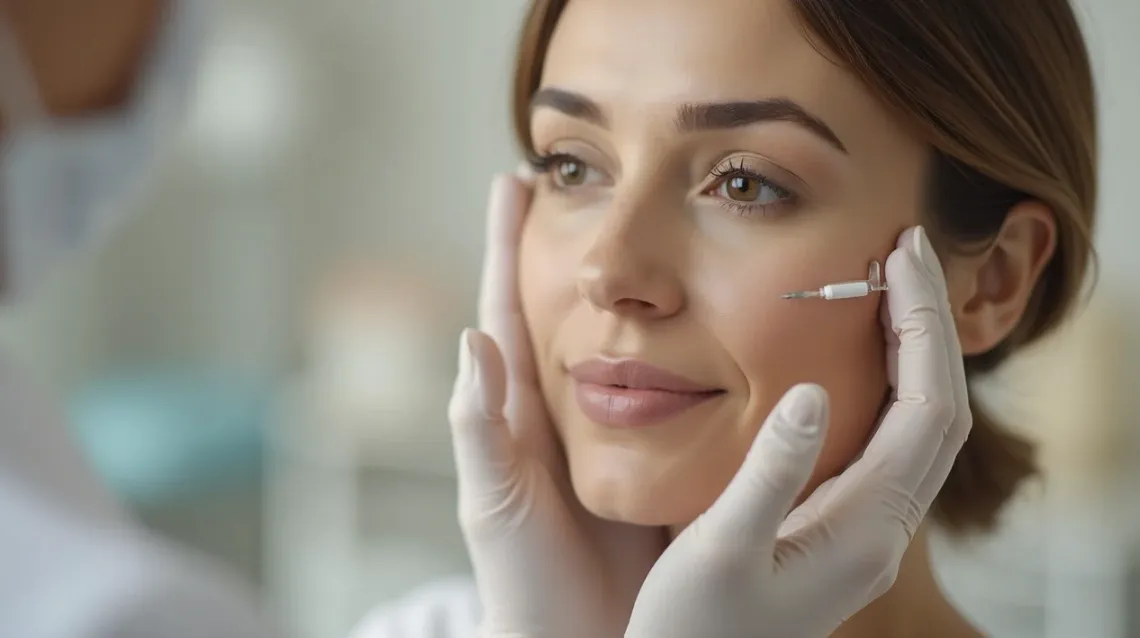
FDA-approved safety of botox injections for cosmetic use
Botulinum toxin products, including Botox, are FDA-approved for the treatment of moderate to severe forehead lines, frown lines, and crow’s feet—making them among the safest and most researched cosmetic procedures. Decades of clinical use confirm that when administered by an experienced provider using approved formulations, Botox is both effective and low-risk for wrinkle reduction.
The safety of Botox for wrinkles is reinforced by consistent dosing, precise technique, and ongoing updates from regulatory agencies. Patients should always seek treatment at reputable clinics by licensed professionals.
Proper dosage, technique, and botulinum toxin product selection
Achieving safe, reliable cosmetic results depends on proper selection of botulinum toxin product, exact dosage, and technical skill during administration. Your provider will assess your goals, muscle strength, and facial structure before determining the ideal injection plan. Following established best practices ensures natural looking results without excessive muscle weakening or unwanted side effects.
The right provider will discuss realistic outcomes, help set your expectations, and advise you on how to maintain optimal results safely over time.
Who Should Avoid Botox Injections?
Pregnancy, breastfeeding, and neurological conditions
Certain populations should avoid Botox injections. Pregnant or breastfeeding women are advised to postpone treatment due to the lack of safety data during these times. People with some neurological conditions—such as myasthenia gravis, ALS, or Lambert-Eaton syndrome—are also at greater risk of muscle weakness and should avoid botulinum toxin injection.
Always notify your healthcare provider of any existing medical conditions, medications, or allergies during your consultation to ensure Botox is right for you.
Allergies and contraindications to toxin injection
The decision to begin or continue botulinum toxin treatment should always be based on an open discussion with your doctor. A thorough medical evaluation, review of medications, and understanding of your goals will lead to the safest, most successful results.
If you have any uncertainty about eligibility, seek a second opinion before undergoing toxin treatment.
How Often Do You Need Botox Injections?
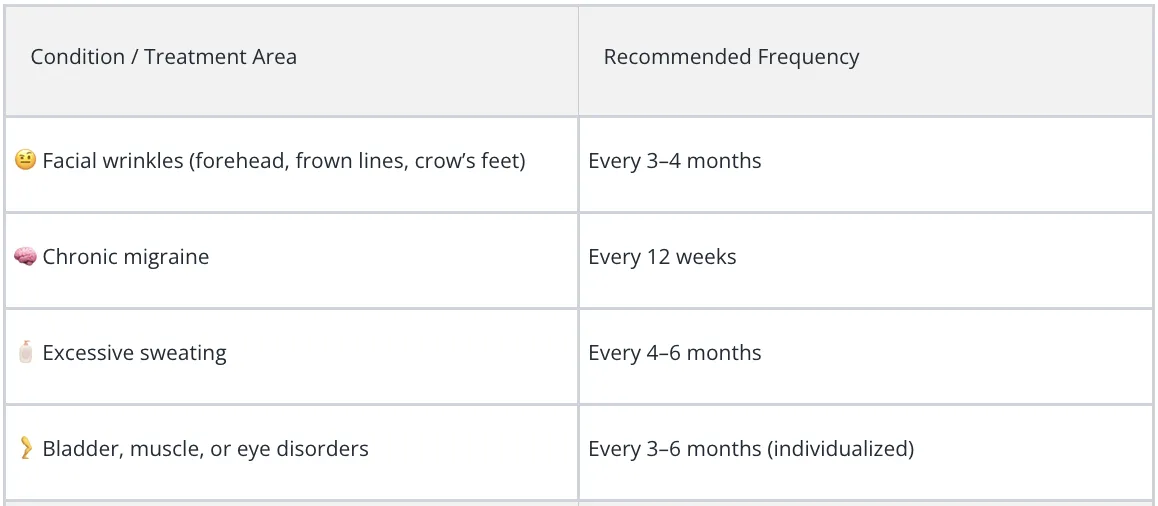
Typical maintenance schedule for botox injections (every 3–4 months)
For most people, Botox injections are repeated every 3–4 months to maintain results. Over time, with regular use, some individuals may notice effects lasting longer between sessions as the treated muscles become conditioned. Long-term repeat treatments are common and safe under professional supervision.
Your healthcare provider will customize a maintenance plan that considers your response, treatment area, and desired appearance or symptom control. It’s important to stick to their timing rather than injecting too frequently, as this can lessen effectiveness.
Factors influencing recurrence and follow-up with your healthcare provider
The ideal frequency for botulinum toxin injections depends on individual metabolism, muscle activity, severity of symptoms, and personal goals. Some may need touch-ups slightly sooner or later than the standard window. Establish regular follow-up visits with your provider for optimal monitoring and timely treatment.
Consistency is key: a regular schedule prevents full return of lines or medical symptoms and ensures the safest, most reliable benefits over months or years of therapy.
Frequently Asked Questions (FAQ) About Botox Injections
What is botulinum toxin used for?
Botulinum toxin is used for both cosmetic purposes (reducing wrinkles and fine lines) and medical conditions (chronic migraine, excessive sweating, muscle spasms, overactive bladder, and certain eye conditions).How long does Botox take to work?
Initial effects are usually noticeable within 1–3 days, with full results evident after 1–2 weeks.Is Botox permanent or temporary?
Botox is temporary; effects typically last 3–4 months, after which follow-up treatments can maintain results.What are the risks of Botox injections?
Risks include mild bruising, swelling, or headache, and rare complications such as drooping eyelids or allergic reactions. These are greatly minimized by seeing a qualified provider.Can Botox treat migraines?
Yes. Botox is FDA-approved for chronic migraine prevention in adults and has been shown in clinical trials to decrease headache frequency.Can Botox help with excessive sweating?
Yes. Botox is also FDA-approved for treating hyperhidrosis (excessive underarm sweating) and can be used off-label for sweating in other areas, such as hands and feet.What happens if Botox spreads in the body?
When properly injected, spread beyond the targeted area is rare. If spread occurs, it can cause unwanted weakness in nearby muscles. This risk is minimal with correct technique and dosing.Who should avoid Botox injections?
Pregnant or nursing women, individuals with certain neurological disorders, or those allergic to the toxin or its components should avoid Botox.How much does Botox cost per session?
Cost per session varies by provider, location, amount used, and treatment area. Most providers will discuss pricing during your consultation.How often do you need Botox for wrinkles?
Every 3 to 4 months is the typical schedule for cosmetic maintenance.What is Botox made from?
Botox is made from a purified form of botulinum toxin type A, an inactive protein produced by Clostridium botulinum bacteria.What does Botox treat?
Botox treats facial wrinkles, chronic migraines, muscle stiffness/spasms, excessive sweating, overactive bladder, and eye conditions such as blepharospasm/strabismus.How does Botox work on muscles?
Botox blocks nerve signals to the target muscles, causing temporary relaxation and reducing movement or spasm.When will I see results from Botox?
Noticeable improvement begins in 1–3 days, with maximum effects in 1–2 weeks.Is Botox safe for cosmetic use?
Yes, when performed by an experienced healthcare provider, Botox is FDA-approved and considered very safe for wrinkle reduction.Who should not get Botox injections?
People with certain neurological diseases, allergies to any toxin product ingredient, and those pregnant or breastfeeding should not get Botox.How is Botox administered?
Botox is injected with a very thin needle directly into the treatment area during an in-office procedure that takes just minutes to perform.
People Also Ask About Botox Injections
How much does a Botox injection usually cost?
The cost of Botox injections varies depending on factors like geographic region, provider qualifications, treatment area, and the number of units required. Most clinics price Botox either by the unit or by treatment area. During your consultation, your healthcare provider will provide a specific estimate, and you can discuss what to expect in terms of overall value and follow-up visits.
What are the bad side effects of Botox?
Serious side effects of Botox injections are rare but may include vision changes, trouble swallowing, muscle weakness away from the injection site, severe allergic reactions, or widespread muscle weakness. If you notice these or any persistent side effects, seek immediate medical attention. Most patients, however, experience only mild, temporary reactions like bruising, headache, or drooping eyelids.
How long do Botox injections usually last?
Most people enjoy the benefits of Botox injections for 3–4 months. Some medical indications, such as excessive sweating in the underarms, can see effects lasting up to 6 months or more. Regular maintenance treatments help extend results for as long as you desire.
What happens after 20 years of Botox?
Long-term use of botox injections over many years is generally considered safe when supervised by a qualified healthcare provider. There is no evidence of harmful accumulation in the body. However, muscle mass in treated areas may gradually decrease, or some individuals may develop partial resistance requiring higher doses. Always review ongoing suitability with your provider at each visit.
Key Takeaways About Botox Injections
Botox injections provide safe, effective solutions for a variety of medical and cosmetic concerns
Most side effects are mild and temporary
Always choose a qualified healthcare provider for toxin injections
Maintain realistic expectations regarding results and duration
Ready to Learn More?
Contact Us To Find The Best Plastic Surgeon For Botox
Curious about botox injections for yourself? Our expert team can answer your questions and connect you with a top-rated, board-certified provider in your area. Reach out today for a thoughtful, personalized consultation that prioritizes your safety, goals, and peace of mind.
Conclusion
Botox injections are proven, safe, and versatile—helping you look and feel your best with minimal downtime. For optimal results and safety, always consult a qualified healthcare provider before treatment.
S. Raj, M.D. / Bestmedspaus.com
Director, Search Intelligence University/IABLEd
International Association for Business Leaders’ Education
Sources
https://www.mayoclinic.org/tests-procedures/botox/about/pac-20384658 – Mayo Clinic: Botox Overview
https://medlineplus.gov/druginfo/meds/a682613.html – MedlinePlus: Botox
https://www.plasticsurgery.org/cosmetic-procedures/botox – American Society of Plastic Surgeons
https://www.ncbi.nlm.nih.gov/pmc/articles/PMC6990245/ – NCBI: Botox Safety and Efficacy
https://www.botoxmedical.com/patient/ – Official BOTOX® Medical Website

The IABLEd
Beauty Intelligence University
The Definitive Curriculum for Search MarketVibrance and Beauty
Invenire. Imperare. Excludere.
Be Found. Command. Exclude.
Command Your Body. Control the Effects.
Want Your World to Discover You,
the Easy Way?
Experience wellness while exploring opportunities.
We provide the necessary architecture to transform your body into a vibrant, work of art and global influence. Ask us how.
Copyright 2026. Best Med Spa US. All Rights Reserved.


* * * * *
COMPANY
30721 Russell Ranch Rd Suite 140, Westlake Village, CA 91362
CUSTOMER CARE
Get In Touch
Mon – Thurs
10:00am – 4:00pm
Fridays by Appointment
Saturday, Golf
Sunday –hurch
LEGAL
Stay informed about how new technology can make or break a brand.
FOLLOW US


Invenire. Imperare. Excludere.
Be Found. Command. Exclude.
© 2026 IABLEd Search Box Intelligence Academy | All Rights Reserved.
1. SBO Foundations 2: Practical SBO Implementation 3: Deeper Strategy & Behavior
4: Advanced Tactics & Data 5: Expert / Future-Facing 6 Bonus Academy Series