
How Dermal Fillers Improve Facial Contours and Appearance
Author; S.Raj, M.D, Updated: 6/26/2026 Reading Time: 5 Minutesmin
Dermal Fillers Overview
Imagine glancing in the mirror and noticing subtle shadows where your cheeks used to be plump, or smile lines that linger long after your grin. Facial aging is a journey everyone takes, but the impact on confidence and self-image can be profound. In recent years, dermal fillers have become a preferred, non-surgical option for those who want to restore volume, define contours, and achieve a harmonious, youthful look—with little to no downtime. This in-depth dermal fillers overview will guide you through the science, safety, and art of injectable fillers, empowering you to make informed choices for your appearance and well-being.
Aging and Volume Loss: Why Consider a Dermal Fillers Overview?

As we age, our faces undergo a series of natural transformations. These changes include loss of soft tissue volume, increased skin laxity, formation of fine lines, wrinkles, and deeper folds such as nasolabial folds. Cheeks may flatten, lips thin out, and under-eye areas may appear more sunken—and all these signs can subtly or dramatically alter how we feel about ourselves. Such changes can affect self-esteem and encourage a desire for a fresher, more energetic appearance. The emotional impact shouldn't be underestimated; many seek facial rejuvenation to restore both their confidence and natural beauty.
Loss of facial fat pads leads to hollowed cheeks, temples, and under-eye hollows
Skin laxity and reduced collagen cause sagging or jowls to develop
Lines such as smile lines and marionette lines deepen

Emotional impact: Lower confidence, increased self-consciousness, and a desire to reflect one’s youthful spirit
Dermal fillers overview: These non-surgical treatments provide immediate results, enhancing facial contours with realistic, natural-looking outcomes—while setting appropriate expectations of what fillers can and cannot achieve.
What You'll Learn About Dermal Fillers Overview
What are dermal fillers and their core benefits
How dermal fillers restore volume and facial contour
Comprehensive review of safety, procedure steps, and aftercare tips
How fillers differ from other treatments like Botox (botulinum toxin)
Dermal Fillers Overview: What Are Dermal Fillers?
Definition and Function of Soft Tissue Fillers
Dermal fillers—sometimes called soft tissue fillers or injectable fillers—are smooth, gel-like substances injected beneath the skin to fill lines, restore lost volume, and sculpt facial features. Unlike neurotoxins such as Botox (botulinum toxin), which relax muscle movement to soften dynamic wrinkles like frown lines, dermal fillers act as wrinkle fillers by adding structure, volume, and support from within the connective tissue. A key part of a full facial rejuvenation plan, tissue fillers are designed for immediate, natural-looking enhancement with minimal downtime.
Soft tissue filler: A non-surgical gel-like injectable placed just below the skin to restore lost volume and smooth facial wrinkles.
Compared to botulinum toxin: Filler adds volume and density—Botox relaxes the underlying facial muscles.
Types of Dermal Fillers: Hyaluronic Acid, Calcium Hydroxylapatite, and More
The main types of dermal fillers differ by their primary ingredient, longevity, and optimal use area. Hyaluronic acid-based dermal fillers are the most popular and versatile. Hyaluronic acid is a natural molecule found in skin tissues—a master hydrator—that attracts water and creates subtle, soft volume ideal for lips, under-eyes, and smile lines. These are also fully reversible with a special enzyme, making them safe and adjustable. Other popular options include calcium hydroxylapatite (a mineral compound also found in bones), best for deeper folds, facial volume restoration, and strong jawline definition thanks to its longer-lasting, structure-building properties.
Hyaluronic acid-based dermal fillers: Most common, hydrating, reversible, natural-looking, ideal for many facial zones
Calcium hydroxylapatite: Long-acting, denser, best for midface contouring and deeper lines
Other injectable fillers: Poly-L-lactic acid (stimulates collagen over time, best for gradual improvement), PMMA (polymethylmethacrylate, semi-permanent, less commonly used)

Are Dermal Fillers Temporary or Permanent?
Most dermal fillers on the market are designed to be temporary or semi-permanent, lasting anywhere from 6 to 24 months depending on the filler material, injection site, and individual metabolism. Temporary fillers are preferred because they provide flexibility: you can adjust, reverse, or maintain your results as your face naturally changes over time. While some fillers (such as permanent PMMA-based products) exist, board-certified specialists generally recommend non-permanent, biocompatible options for safety and natural movement—giving you reliable results without long-term commitment.
Temporary fillers: Most commonly used; effects last a determined period (months to years), can be topped up or reversed
Long-acting fillers: Gradually absorbed or stimulate collagen, but still not permanent
Permanent fillers: Rarely used today due to risk of long-term complications and lack of adjustability
How Do Dermal Fillers Work? An In-Depth Dermal Fillers Overview
Volume Restoration and Tissue Integration Explained
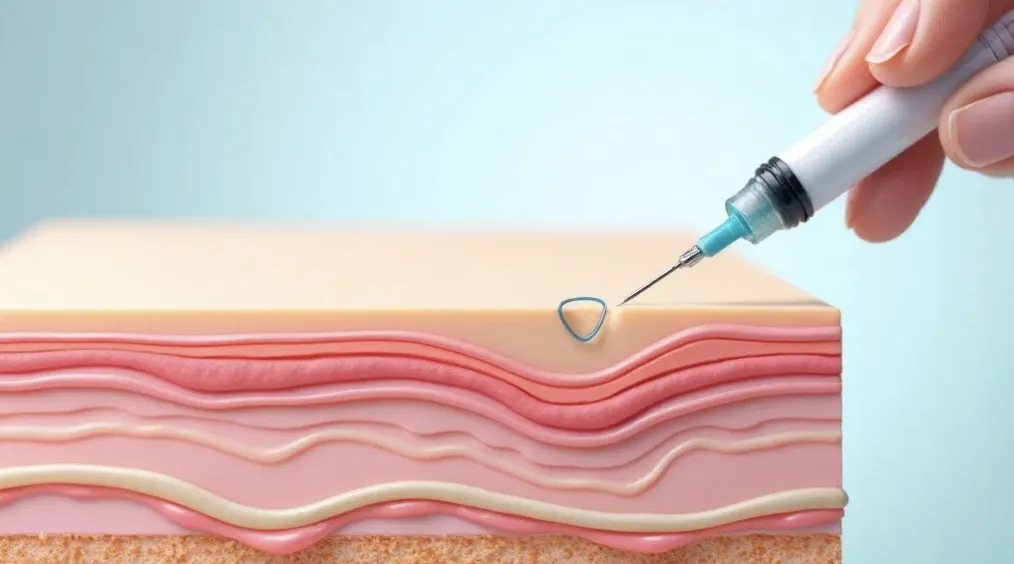
How do dermal fillers work? The key to a youthful face is healthy skin quality, fat, and bone structure. As volume diminishes with age, injectable fillers are placed precisely beneath the skin to mimic lost fat, gently lift sunken areas, and replenish facial contours. This process not only restores a refreshed, natural appearance but also promotes better skin texture in many cases. Some filler types, especially calcium hydroxylapatite and poly-L-lactic acid, also stimulate your body’s collagen production, leading to longer-lasting, firmer skin.
Filler injection adds support, structure, and volume to sunken cheeks, shallow temples, and deep facial lines
Stimulation of new collagen strengthens underlying tissue and softens future signs of aging
Hydration from hyaluronic acid-based fillers improves skin plumpness, elasticity, and glow
Care Provider’s Role: Safe Technique with Dermal Fillers
The experience and expertise of your care provider play a crucial role in achieving beautiful, safe results. Administering dermal filler injections requires detailed knowledge of blood vessel anatomy and facial structures, ensuring that the product is delivered safely and efficiently. A skilled aesthetic physician or board-certified injector will conduct a stepwise assessment, mapping your anatomy, evaluating symmetry, and choosing the perfect product and technique (needle or cannula) for your needs. Patient safety, artistry, and education are always top priorities in the best outcomes.
Blood vessel and nerve awareness helps minimize risk of complications (e.g., vascular occlusion or nerve damage)
Facial mapping ensures product is placed only where needed, avoiding unnatural results
For those interested in the nuances of injectable treatments, understanding the differences between dermal fillers and other options like Botox can help you make more informed decisions about your facial rejuvenation plan. You can explore a detailed comparison in our guide to Botox vs. dermal fillers, which breaks down their unique benefits and ideal uses.
What Do Dermal Fillers Do for the Face? A Dermal Fillers Overview List
A comprehensive dermal fillers overview shows that modern fillers can treat a wide range of aesthetic concerns, often providing instant, natural-looking improvement while preserving individual character. Here’s what they can do:
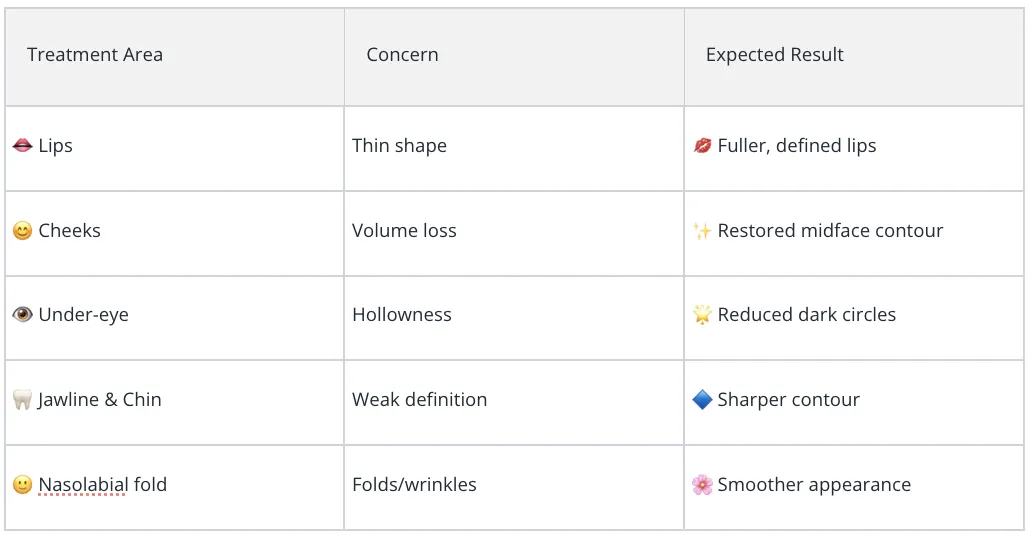
Restore facial volume: Cheeks, temples, jawline—lifts sagging and hollow areas
Smooth lines and wrinkles: Smile lines, marionette lines, nasolabial folds, frown lines
Enhance lips and perioral area: Create fuller, more defined lips or balance asymmetry
Improve under-eye hollows: Reduce shadowing and the tired look in the tear trough region
Refine contours without surgery: Define the jawline, sharpen the chin, and balance overall facial shape
What Areas Can Dermal Fillers Treat? Table Overview
Step-by-Step Dermal Fillers Overview: The Procedure
The dermal filler injection process is streamlined but personalized for your goals and facial anatomy. Here’s what you can expect:
Consultation: You’ll meet with a board-certified care provider to discuss concerns, review your medical history, and set realistic goals.
Facial mapping and anatomy evaluation: Your provider will analyze your facial structure and muscle activity to strategize safe, precise injections for the most natural result.
Injection: Based on your needs, injections are delivered using a fine needle or a blunt-tipped microcannula (which can reduce bruising).
Comfort measures: Topical numbing cream, lidocaine-containing fillers, and ice packs enhance your comfort throughout the process.
Duration: Most sessions last 15–45 minutes depending on the complexity and number of areas treated.
Expectations: Results are visible immediately, with some improvement as mild swelling subsides in a few days.

How Long Do Dermal Fillers Last? Key Dermal Fillers Overview Facts
Longevity by Filler Type and Area
One of the top questions in any dermal fillers overview is, "How long do results last?" The answer: Most fillers last between 6 and 24 months, with variation depending on the type of product, where it’s placed, and your unique metabolism. Hyaluronic acid fillers in lips or under-eyes may need refreshing every 6–12 months, while denser options in cheeks or jawlines can last up to 18–24 months. Your activity level, facial expressions, and metabolic rate also influence longevity—people who are highly active may metabolize fillers more quickly.
Typical longevity: 6–24 months depending on filler material, placement, and personal metabolism
Lips and dynamic areas often need earlier top-ups than static areas like cheeks or jawline
“Dermal fillers overview: Longevity varies, but maintenance is easy with regular touch-ups.” – Board-Certified Dermatologist
Plan for Routine Maintenance
Optimal, consistent results are best achieved with scheduled care provider follow-ups (every 6–18 months, per your provider’s recommendations).
Are Dermal Fillers Safe? Comprehensive Dermal Fillers Overview
Patient safety is at the core of every dermal fillers overview. Fillers approved by the FDA undergo strict testing for biocompatibility and safety. The most important factor, however, is working with a well-trained, experienced care provider who understands facial anatomy and product selection. Most adverse events are mild and temporary (such as swelling or bruising) when care is taken; rare risks—like allergic reaction, migration, or vascular events—demand immediate attention only when improperly administered.
FDA-approved products meet rigorous safety standards
Provider training matters: Proper injection technique and anatomical knowledge minimize potential side effects
Potential side effects: Most (swelling, bruising, redness) are mild and resolve quickly; serious issues are rare but possible
Dermal Fillers Overview: Myth vs. Fact
'\
Myth: Fillers are permanent. Fact: Most are temporary and gradually absorbed by the body over time.
Myth: All fillers are the same. Fact: Different formulas serve unique purposes; hyaluronic acid for hydration, calcium hydroxylapatite for structure, etc.
Do Dermal Fillers Hurt? Understanding Patient Experience
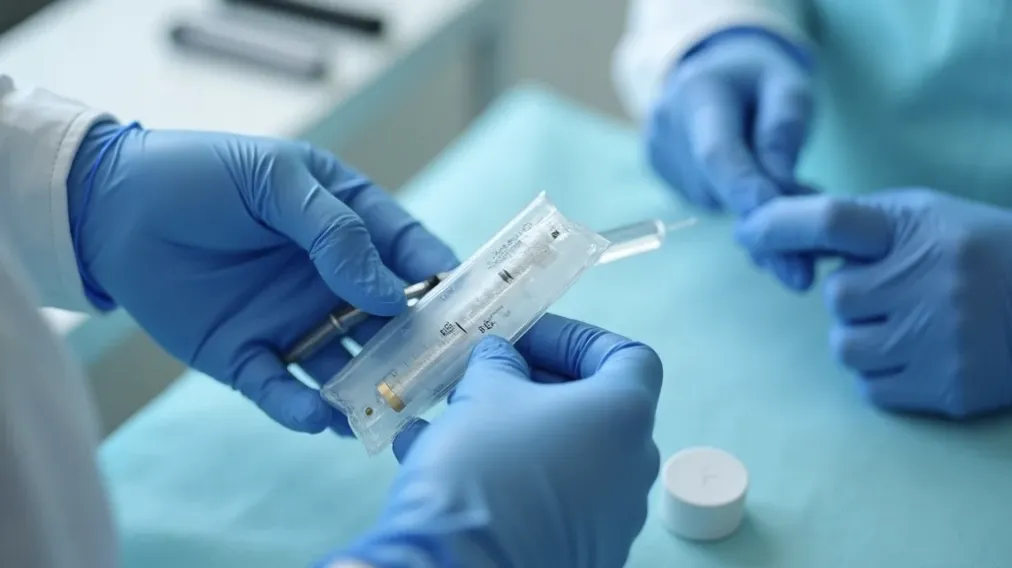
Most patients rate filler injections as only mildly uncomfortable, akin to a quick pinch or pressure. Pain is typically minimal, thanks to refined techniques, topical numbing creams, and the use of thin needles or cannulas. More sensitive areas, such as the lips, may be slightly more noticeable, but discomfort is short-lived and easily managed. Discuss any anxieties with your care provider beforehand to ensure your comfort throughout the procedure.
Pain is generally rated low (1–3 on a 10-point scale), greater in lips than cheeks or jawline
Cannula injections can reduce bruising and tenderness compared to needles
Numbing agents, ice packs, and distraction techniques make the process easily tolerable for most
“Dermal fillers overview: An ideal option for early to moderate changes—facelifts best for advanced aging.” – Plastic Surgeon
Recovery and Aftercare: Dermal Fillers Overview Guide
Excellent aftercare plays an essential role in achieving and maintaining beautiful, long-lasting filler results. Immediately after your session, expect some swelling, redness, or minor lumps; these typically resolve within days. Most care instructions are simple and easy to follow, making this an approachable in-office treatment for most patients.
Immediately after: Redness, swelling, and tenderness are common—apply an ice pack as directed
First 48 hours: Avoid strenuous exercise, alcohol, heat (saunas), and touching or rubbing the treated area
What not to do: Avoid facial massages, hot showers, and makeup over the injection site for at least 24 hours
Final results settle after 1–2 weeks as swelling decreases and the filler fully integrates
Follow Post-Procedure Instructions Carefully
Complying with aftercare helps minimize risks and ensures optimal, natural-looking results every time.

Who Is a Good Candidate for Dermal Fillers? Detailed Overview
Dermal fillers overview suggests that most healthy adults from ages 25 to 65 (and beyond) with visible signs of facial aging or contour loss can benefit from this treatment. The best candidates are non-smokers with realistic expectations and good skin health. Some medical conditions may preclude filler use; a careful screening with a care provider is essential.
Ideal age range: 25–65+, but suitability is based more on concern than number
General health: No active infection, inflammatory skin condition, or known allergy to filler ingredients
Contraindications: Pregnancy, breastfeeding, certain autoimmune conditions, active skin infections, or severe allergies
Consultation: A must—every face is different! Individual goals, anatomy, and medical history shape a safe, effective plan
People Also Ask: Comprehensive Dermal Fillers Overview Answers
What are the basics of dermal fillers?
Dermal fillers are injectable substances used to restore facial volume, fill lines, and enhance features. They provide immediate, natural-looking results without surgery.
What is the downside to fillers?
Downsides include potential swelling, bruising, and occasional lumps or rare complications. Most side effects resolve quickly, but results are temporary, requiring periodic maintenance.
What is the best filler for older skin?
For older skin, dermal fillers with added strength—such as calcium hydroxylapatite or thicker hyaluronic acid fillers—can restore lost volume and support sagging areas effectively.
What is the most painful area for fillers?
The lips and peri-oral area may be slightly more uncomfortable during injections, but numbing and skilled technique reduce discomfort for most patients.
Frequently Asked Questions: Dermal Fillers Overview
What are dermal fillers?
Dermal fillers are injectable gels used to restore lost volume, smooth lines, and reshape facial contours for a rejuvenated appearance.
What do dermal fillers treat?
They target volume loss, wrinkles, hollow under-eyes, thin lips, and facial asymmetry.
How do dermal fillers restore facial volume?
By injecting filler beneath the skin, they lift, plump, and rejuvenate sunken or aged areas almost instantly.
What areas can be treated with fillers?
Cheeks, lips, jawline, under-eye hollows, temples, marionette lines, and nasolabial folds.
Are dermal fillers safe for the face?
Yes, when FDA-approved fillers are injected by experienced care providers, the procedure is generally very safe.
How long do dermal fillers last?
Results last 6–24 months depending on the product and treatment area.
What are dermal fillers made from?
They are commonly made of hyaluronic acid, calcium hydroxylapatite, or poly-L-lactic acid, all biocompatible with skin tissue.
Can dermal fillers remove wrinkles?
They can smooth moderate to deep lines and folds, particularly in the lower and mid-face.
What are the limitations of dermal fillers?
They can’t significantly lift severe sagging or excess skin—surgery may be needed for those concerns.
Do dermal fillers replace surgery?
Fillers provide excellent improvement for early to moderate aging, but don’t replace surgical facelifts for advanced aging concerns.
S. Raj, M.D. / Bestmedspaus.com
Director, Search Intelligence University/IABLEd
International Association for Business Leaders’ Education
Sources

The IABLEd
Beauty Intelligence University
The Definitive Curriculum for Search MarketVibrance and Beauty
Invenire. Imperare. Excludere.
Be Found. Command. Exclude.
Command Your Body. Control the Effects.
Want Your World to Discover You,
the Easy Way?
Experience wellness while exploring opportunities.
We provide the necessary architecture to transform your body into a vibrant, work of art and global influence. Ask us how.
Copyright 2026. Best Med Spa US. All Rights Reserved.


* * * * *
COMPANY
30721 Russell Ranch Rd Suite 140, Westlake Village, CA 91362
CUSTOMER CARE
Get In Touch
Mon – Thurs
10:00am – 4:00pm
Fridays by Appointment
Saturday, Golf
Sunday –hurch
LEGAL
Stay informed about how new technology can make or break a brand.
FOLLOW US


Invenire. Imperare. Excludere.
Be Found. Command. Exclude.
© 2026 IABLEd Search Box Intelligence Academy | All Rights Reserved.
1. SBO Foundations 2: Practical SBO Implementation 3: Deeper Strategy & Behavior
4: Advanced Tactics & Data 5: Expert / Future-Facing 6 Bonus Academy Series