Understand How Hair Restoration Procedures Can Address Thinning Hair, Receding Hairlines, And Overall Hair Loss Concerns
Author; S.Raj, M.D, Updated: 6/29/2026 Reading Time: 5 Minutesmin
Hair Restoration Procedures
Imagine waking up each morning, running your fingers through your hair, and noticing less fullness and more scalp. For millions of men and women, hair loss is not just a cosmetic concern—it can weigh heavily on confidence, self-image, and everyday happiness. Modern hair restoration procedures are changing lives, offering solutions that blend seamlessly with natural hair and restore more than just appearance—they restore hope and self-assurance.
If you’re exploring answers for hair thinning, receding hairlines, or bald areas, this in-depth guide will reveal how today's surgical and non-surgical options address every stage and cause of hair loss. Read on to take the first step towards restored confidence and a personalized solution.

What You'll Learn:
What hair restoration procedures are and how they work
The causes and science behind hair loss
Differences between FUE and FUT hair transplants
The role and effectiveness of PRP therapy
Who qualifies for hair restoration and how to prepare
What to expect during and after treatment
Risks, side effects, results timeline, and aftercare
Answers to frequently asked questions—all in one place
Understanding the Emotional and Physical Impact of Hair Loss
Hair loss is far more than a physical change—it can spark concern, self-doubt, and emotional distress. Whether it’s gradual thinning, sudden patches, or an advancing receding hairline, the experience is deeply personal and often impacts self-esteem, social interactions, and even professional life. Many adults—regardless of age or background—seek reassurance, empathy, and solutions as they face these challenges.
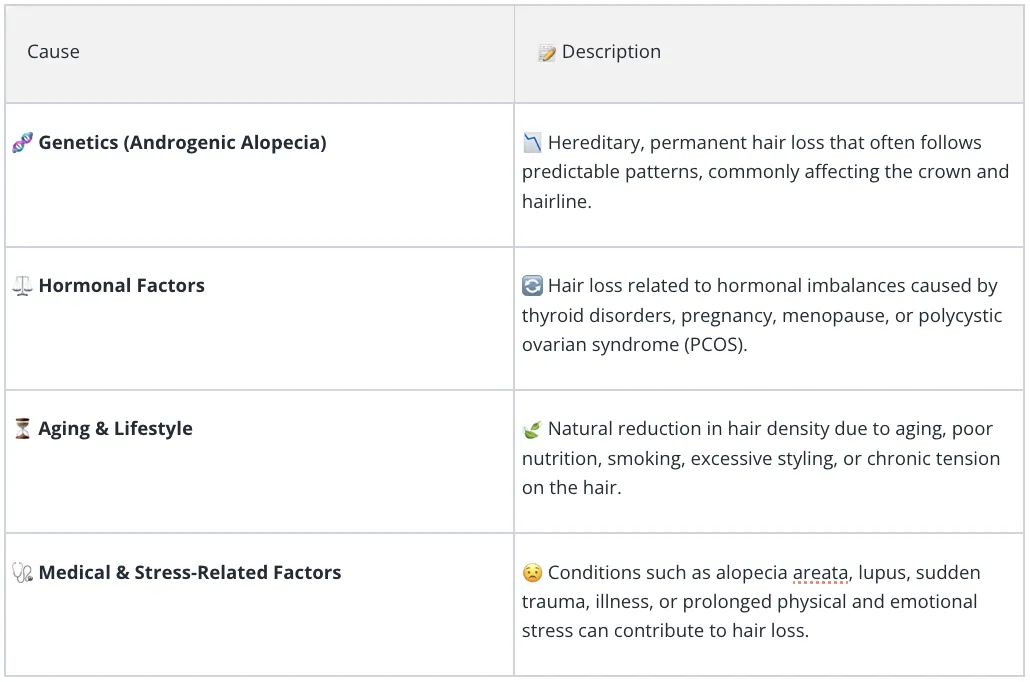
Common Causes of Hair Loss: Hair loss can arise due to hereditary factors (androgenic alopecia), hormonal changes, aging, certain medical conditions, medications, or ongoing stress. Many also experience hair thinning as a normal part of aging or because of lifestyle factors like poor diet, smoking, or harsh hair care routines.
Emotional Ramifications: Losing hair often leads to diminished confidence, social withdrawal, and daily frustration. Many patients report anxiety or lowered self-image, particularly when hair loss affects visible frontal or crown areas of the scalp.
Rising Interest in Restoration: With modern advances, more people are investigating hair restoration procedures. The demand for safe, natural-looking solutions—both surgical and non-surgical—is rapidly increasing as people realize they don’t have to hide or accept unwanted hair loss.

Defining Hair Restoration Procedures and Their Goals
What are hair restoration procedures?
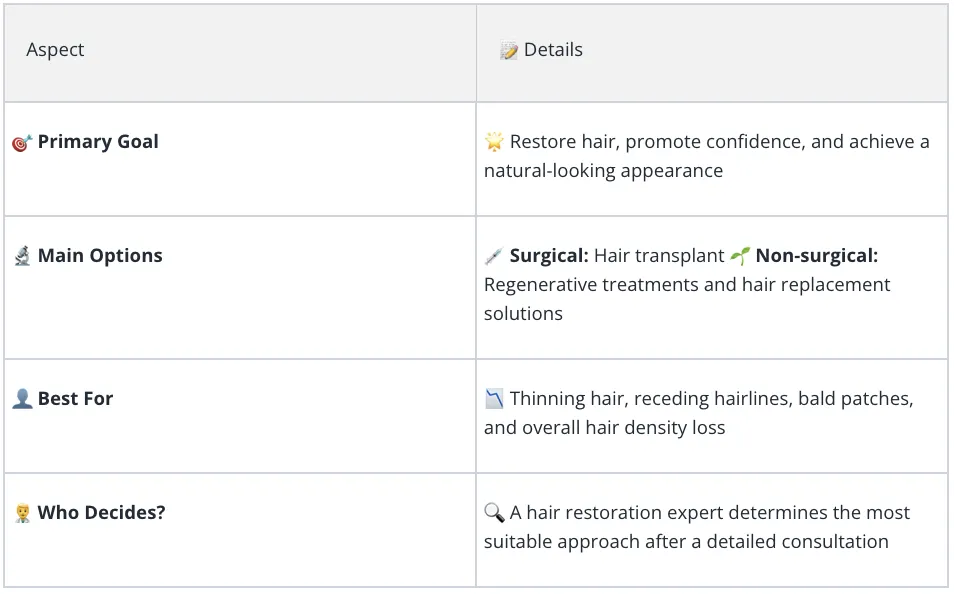
Hair restoration procedures are a set of medical and cosmetic techniques designed to address hair loss, thinning hair, and receding hairlines. Their primary goals are to preserve existing hair, replace lost hair through transplantation, or stimulate new hair growth and overall scalp health. Whether you’re considering hair transplant surgery (such as follicular unit extraction or follicular unit transplant) or innovative therapies like PRP, the overarching mission is to restore hair in areas where it's thinning or receded—helping you look and feel more like yourself again.
The approach can vary: some procedures physically relocate healthy hair follicles from thicker areas of the scalp to bald areas (surgical), while others use medical therapies or regenerative techniques to boost growth and thickness (non-surgical). Many patients benefit from a combination of both, as recommended during a personalized consultation with a hair restoration expert.
Goals: Hair preservation, hair replacement, and promoting overall hair health
Methods: Transplantation (FUE/FUT surgery), stimulation (PRP, medications), and replacement systems (hair systems, wigs)
“Hair restoration procedures aim not just to restore hair, but to restore self-confidence and natural appearance.”
What Causes Hair Loss and When to Consider Hair Restoration Procedures
Hair loss can result from a complex mix of genetics, hormones, lifestyle, and health. Understanding why hair loss occurs helps patients and clinicians choose the most effective hair restoration procedures. The most common cause is genetic pattern baldness (androgenic alopecia), which affects both men and women. Other causes include hormonal shifts (such as thyroid imbalance or menopause), age-related thinning, stress, illnesses, or triggers like poor nutrition and harsh hair care.
You might consider hair restoration when hair loss is progressive, visible, or causing declining self-esteem. Consultation with a restoration expert is recommended to assess the cause and stage and to map out the most appropriate plan—ranging from non-surgical interventions to advanced transplant surgery.
For those interested in a deeper dive into the specifics of hair restoration, including the latest techniques and what to expect during a consultation, you can find additional insights and resources at this comprehensive directory of med spa services. Exploring these resources can help you better understand your options and prepare for your hair restoration journey.
Types of Hair Restoration Procedures: From Surgery to Regenerative Therapies
Surgical Hair Restoration Procedures
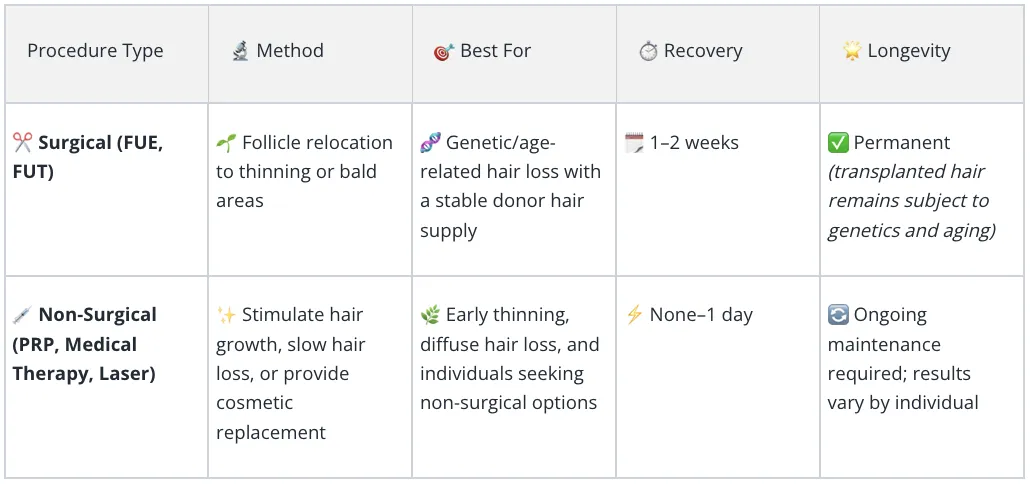
Surgical hair restoration remains the gold standard for patients with permanent hair loss or those seeking dramatic results in bald areas or receding hairlines. The two most utilized methods are Follicular Unit Extraction (FUE) and Follicular Unit Transplant (FUT). There are also less common but advanced surgeries such as flap surgery, scalp reduction, and tissue expansion. All aim to harvest healthy hair from a donor site—typically the back or sides of the scalp—and move it to thinning or bald areas for natural-looking regrowth.
FUE (Follicular Unit Extraction): Individual follicular units are removed and transplanted one-by-one, minimizing scarring and resulting in small, dot-like marks.
FUT (Follicular Unit Transplant): A strip of skin with healthy follicles is removed from the donor area, sectioned, and implanted. This approach can yield a significant number of grafts but leaves a linear scar.
Flap Surgery, Scalp Reduction, Tissue Expansion: These methods involve shifting or expanding areas of scalp skin to restore large bald areas with hair-bearing tissue—the options are often reserved for specialized cases.
Non-Surgical Hair Restoration Procedures
Non-surgical approaches offer less invasive alternatives or can supplement surgical outcomes. PRP therapy (Platelet-Rich Plasma) is gaining popularity for stimulating dormant follicles and improving scalp health. Medical therapies—including FDA-approved medications—are used to slow hair loss and encourage regrowth. Individuals may also turn to hair replacement systems and low-level laser therapy for added cosmetic improvement or as an option before considering surgery.
PRP Therapy: Uses concentrated growth factors from your own blood to revitalize the scalp and stimulate hair follicles.
Medical Therapies: Topical and oral medications like minoxidil and finasteride; other regenerative options that aim to maintain or improve hair density.
Hair Replacement Systems & Low-Level Laser Therapy: Non-invasive options—like wigs or laser caps—offer solutions for those not suited to other treatments or wishing to delay surgery.
How Do Hair Restoration Procedures Work?
Hair restoration procedures either move healthy hairs to bald spots, stimulate dormant follicles, or work to preserve existing density. In surgical hair transplantation, the restoration expert selects follicles from a donor site (often the back of the scalp, where hair is more resistant to genetic loss), carefully transplants them to the bald area, and ensures they blend seamlessly for a natural look. The two most popular methods, FUE and FUT, differ in how follicles are harvested but share the same goal—permanent, undetectable restoration.
For non-surgical treatments (including PRP, medications, and low-level laser therapy), the goal is to awaken resting follicles, improve circulation and scalp health, and maximize retention. Many clinics now offer multidisciplinary approaches, starting patients on non-surgical therapies prior to or after surgery to boost their results and maintain hair health.
Transplantation: Healthy follicular units are relocated to areas of the scalp with thinning or no hair.
Growth Stimulation: PRP, topical agents, or oral medications target existing follicles to trigger growth or slow further loss.
Hair Preservation: Ongoing use of proven medical therapies and professional clinical monitoring to defend against progression.
Comparing FUE and FUT: Which Hair Restoration Procedure Suits You?
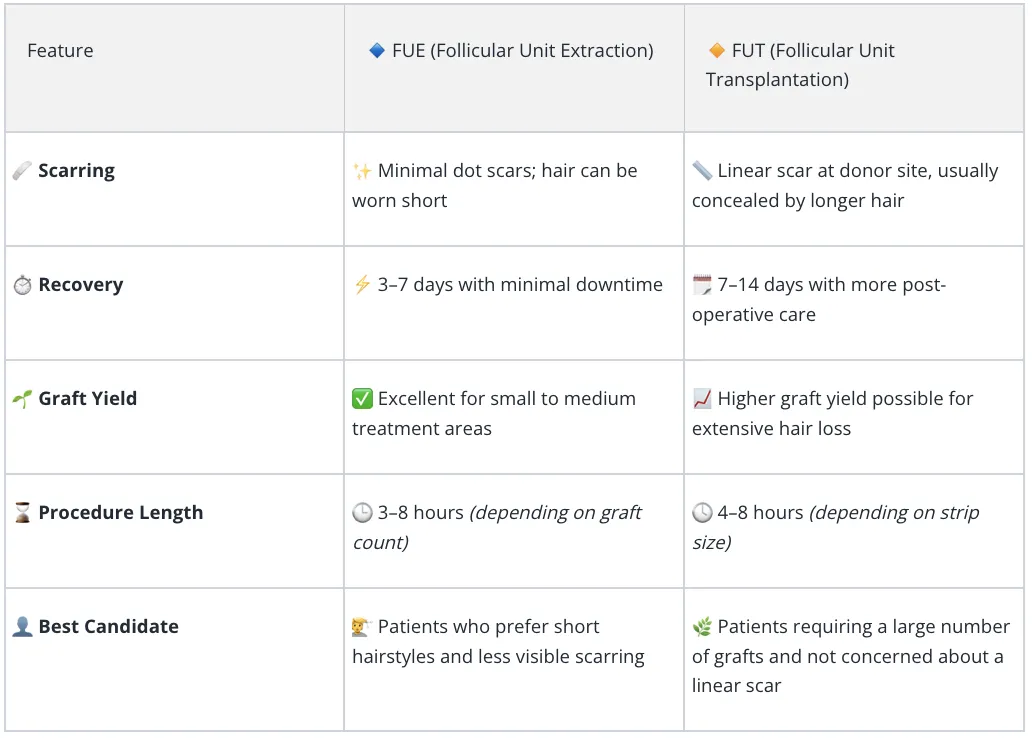
Feature Comparison Table: FUE vs FUT
Choosing between Follicular Unit Extraction (FUE) and Follicular Unit Transplant (FUT) depends on your goals, the degree of hair loss, and your personal preferences. Both techniques can achieve excellent results, but they differ in recovery time, scarring, and suitability for specific types of hair restoration. Let's break down the key differences, candidacy parameters, and what to expect during and after surgery.
Scarring: FUE leaves tiny, dot-like scars barely visible even with short hair, while FUT results in a linear scar along the donor site.
Recovery: FUE typically offers a shorter, less restrictive recovery. FUT patients may need more care for the donor area.
Graft Yield: FUT may allow for a greater number of grafts in one session (ideal for larger bald areas), while FUE works well for those preferring less noticeable scarring.
Is PRP Effective for Hair Restoration Procedures?

How PRP Works in Hair Restoration
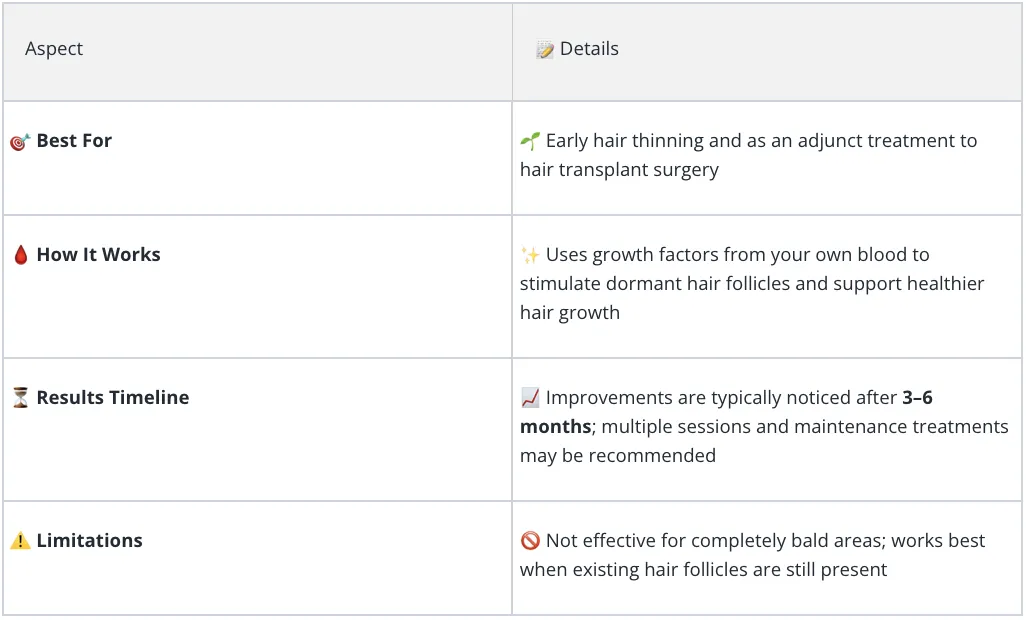
Platelet-Rich Plasma (PRP) therapy is an innovative non-surgical option for hair restoration, often recommended for early-stage thinning or as an adjunct to surgery. During PRP, a small amount of your blood is processed to concentrate the growth factors and platelets, which are then injected directly into thinning areas of the scalp. These growth factors stimulate hair follicles, improve scalp circulation, and enhance the environment for hair growth.
Ideal Candidates: People with early or moderate hair thinning, those who want to prevent further loss, and patients looking to optimize surgical results.
Evidence and Expectations: Clinical research supports PRP’s role in improving hair density for many, but it is not a cure for advanced baldness and works best as part of a comprehensive treatment plan.
Limitations: Results require maintenance sessions and take a few months to become visible; not effective for areas with no active follicles.
Who Is a Good Candidate for Hair Restoration Procedures?
Deciding on hair restoration procedures relies on a detailed assessment by a hair restoration expert. Generally, the best candidates are individuals with well-defined pattern baldness and a stable supply of donor hair. Both men and women can benefit, but candidacy may be limited by health issues, inadequate donor hair, or unrealistic expectations. Non-surgical options provide solutions for a broader group, though results still vary by individual.
Men with genetic pattern hair loss in the crown, hairline, or top of the scalp
Women experiencing diffuse thinning or receding hairlines
Anyone with a stable donor site (enough healthy follicles to move)
Contraindications: Active scalp infections, uncontrolled medical conditions, or scarring illnesses like lichen planopilaris
Stable, healthy donor area on the scalp
Realistic expectations for density and results
General good health (cleared by your medical provider)
No active infections or scarring conditions
Commitment to follow aftercare and long-term maintenance plans
What Happens During Hair Restoration Procedures? Surgical and Non-Surgical Pathways
The Surgical Hair Restoration Procedure
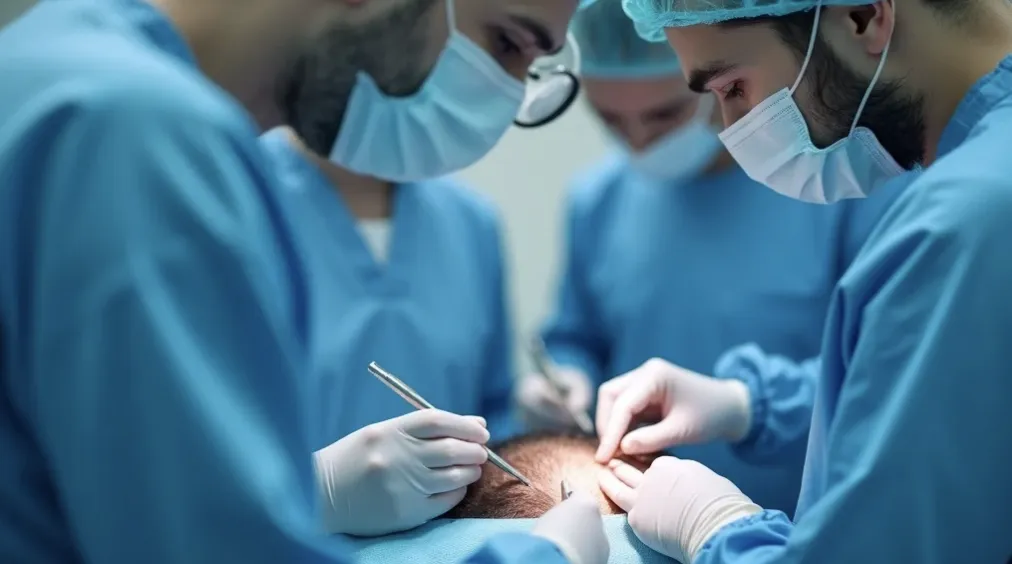
The path to successful hair restoration begins with a thorough consultation. Your surgeon will examine your scalp, map out the areas of hair loss, and explain what’s possible based on your donor hair and individual needs. On the day of surgery, the donor area is numbed with local anesthesia, and healthy follicular units are carefully harvested—either individually (FUE) or as a strip of skin (FUT)—before being implanted into the areas needing coverage.
Consultation and Planning: Digital mapping, analysis of donor area, and goal-setting.
Donor Harvest: Extraction of healthy follicles for transfer.
Graft Placement: Transplanting units to recipient sites in natural patterns.
Recovery: Aftercare focuses on minimizing swelling, ensuring graft survival, and guiding patients on hair washing, activity restrictions, and post-surgical follow-up appointments.
The Non-Surgical Hair Restoration Procedure
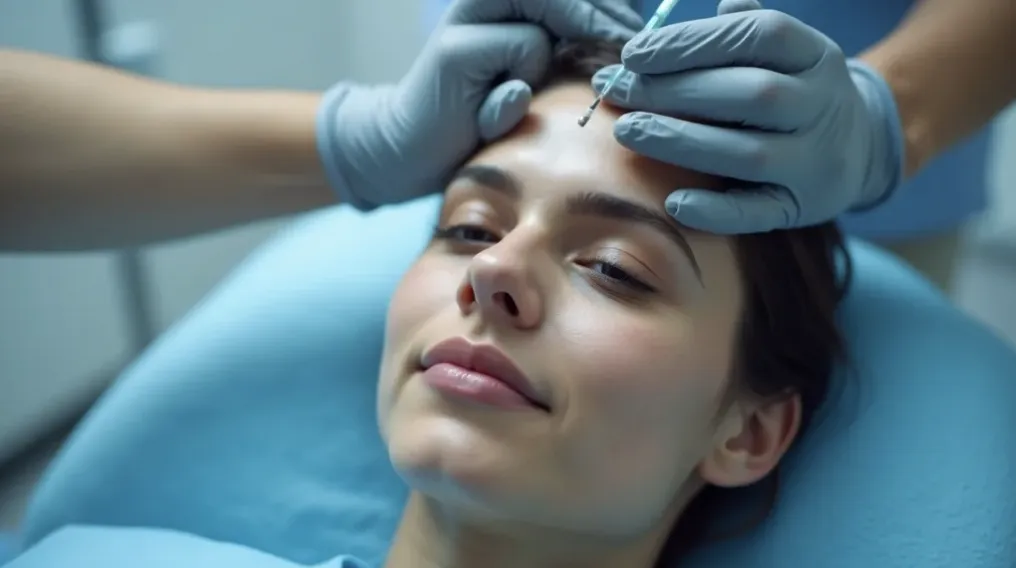
For non-surgical treatments, the process starts with a scalp evaluation and sometimes pre-treatment photographs. PRP sessions begin with blood draw, concentration of platelets, and injection into thinning scalp areas. Medical therapies or low-level laser sessions follow a similar structured, clinic-monitored approach, usually requiring regular visits to sustain benefits.
Assessment and digital measurement of current hair loss
Procedure steps vary (injection for PRP, daily application for topicals, regular sessions for laser therapy)
Minimal or no downtime; guidance provided for ongoing maintenance and follow-up

Timeline: How Long Do Hair Restoration Procedures Take?
The timeline varies by procedure and individual needs. Hair transplant surgery (FUE or FUT) usually takes 4–8 hours, depending on the number of grafts. Non-surgical options like PRP are generally completed within an hour. Recovery stages are just as important: surgical patients can expect redness and mild swelling, with visible healing over 1–2 weeks. Noticeable hair growth from transplants or PRP typically begins a few months post-treatment, with full results visible after 9–12 months.
Typical surgical procedure: 3–8 hours
PRP therapy: 30–60 minutes per session
Healing: 7–14 days for transplants
Visible results: Gradual, peaking at 6–12 months
Is Hair Restoration Painful? Setting Expectations for Every Procedure
Modern hair restoration procedures are designed to minimize patient discomfort. Local anesthesia and, if needed, light sedation ensure the harvesting and implantation phases are pain-free. Most patients report only minor tenderness or swelling after the numbness fades. Non-surgical options like PRP or laser therapy create minimal discomfort—usually described as a mild pinch or warmth during treatment.
Anesthesia eliminates pain during surgery for both FUE and FUT.
Post-procedure discomfort is typically mild and managed with over-the-counter medication.
Non-surgical treatments often require no downtime and minimal after-effects.
Results Timeline: What to Expect After Hair Restoration Procedures
Month-by-Month Recovery and Growth Milestones
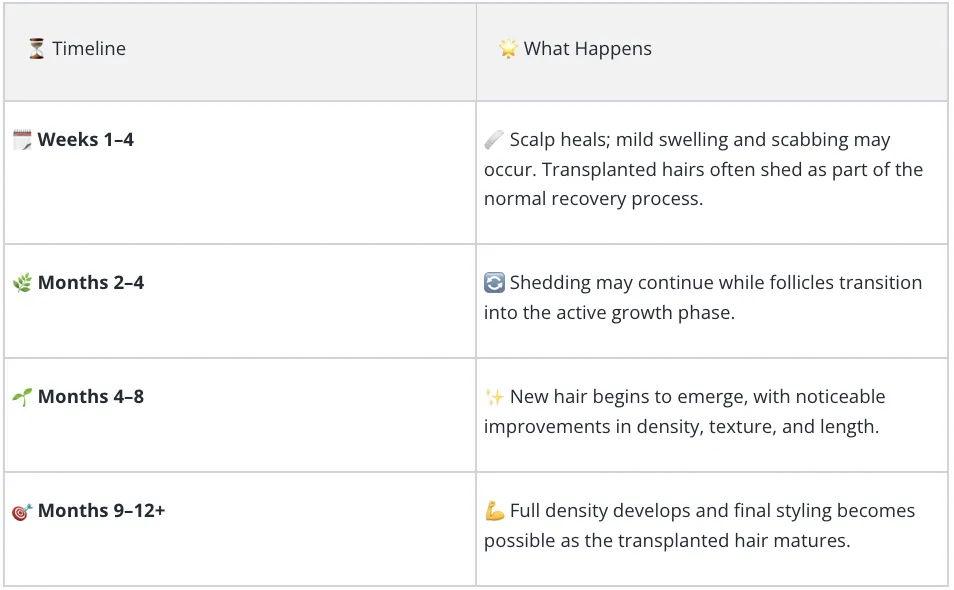
After hair restoration surgery, patience is key. The initial weeks focus on healing—redness, mild swelling, and scabbing give way to a period of hair shedding. Growth resumes in the coming months, with early regrowth peeking through around months 4–6. By 9–12 months, most patients see the bulk of their results—fuller, thicker, natural-looking hair in previously bald areas.
Healing phase: 1–4 weeks post-op
Shedding/transitional phase: 2–4 months post-op
Early growth: 4–8 months post-op
Final result: 9–12+ months post-op
Healing, shedding, and new growth are all part of the process
Are the Results of Hair Restoration Procedures Permanent?
Hair transplant surgery offers a durable, long-lasting solution; transplanted follicles typically grow for many years—sometimes lifelong. However, native hair in untreated areas may continue to thin, making ongoing maintenance or touch-ups important for optimal appearance. Non-surgical options (like PRP or laser therapy) require consistent sessions for sustained improvement.
Transplanted hair is generally permanent if the donor site is genetically resistant to hair loss
Ongoing thinning in untreated scalp regions may necessitate periodic maintenance or retreats
Combination therapy maximizes long-term satisfaction
Recovery and Aftercare: Essential Steps Following Hair Restoration Procedures
Proper aftercare is crucial for safeguarding your investment in hair restoration and maximizing graft survival. Surgeons provide detailed recovery guidelines after transplant surgery, customized to your procedure and needs. Likewise, non-surgical therapies require adherence to treatment schedules and at-home instructions.
Sleep with the head elevated for the first few nights to minimize swelling
Avoid strenuous exercise and bending over for at least a week
Gently wash the scalp with a mild, sulfate-free shampoo as directed
Attend all scheduled follow-up appointments to monitor healing and result progression
Follow all wound-care and prescribed medication protocols
Wear any recommended bandages or hats
Do not scratch or pick at scabs in the treated area
Keep away from direct sun exposure until healed
Report any signs of infection or unusual discomfort immediately
Risks and Side Effects of Hair Restoration Procedures
While hair restoration procedures are generally safe, potential risks vary by technique. Surgical treatments carry a small risk of swelling, infection, temporary numbness, or scarring (linear or dot-like scars along the donor site). Non-surgical options may cause brief irritation, mild swelling, or increased shedding shortly after treatment. Reputable clinics proactively minimize risks and ensure patients are fully briefed before any procedure.
Surgical Risks: Swelling, bleeding, infection, visible scarring, rare graft failure
Non-surgical Risks: Scalp irritation, transient sensitivity, temporary shedding
All procedures: Promptly report severe discomfort, persistent redness, or fever
Temporary swelling of scalp or forehead
Infection risk at donor or recipient sites
Minor scarring (linear for FUT, spots for FUE)
Itching, redness, or shedding of native hair ("shock loss")
Rare: cyst formation or prolonged numbness
Understanding Costs: Factors Affecting Hair Restoration Procedures
The cost of hair restoration depends on several variables: the type of procedure (FUE, FUT, PRP, or other), total number of grafts required, and your clinic’s location and reputation. Greater experience and advanced transplant techniques often justify higher costs. It’s essential to undergo a private, in-depth consultation to receive an accurate estimate tailored to your goals and hair restoration needs.
Procedure complexity, graft count, and surgical approach
Geographic region and credentials of your chosen clinic
Ongoing maintenance (PRP, medications, touch-ups)
Comprehensive Solutions: Combining Hair Restoration Procedures with Other Treatments
In today’s clinics, a holistic approach is encouraged: combining surgical and non-surgical hair restoration procedures maximizes density, slows further loss, and sustains long-term improvement. Regenerative therapies like PRP, low-level laser therapy, and prescription medications may be recommended before, during, or after surgery. Personalized plans optimize results and patient satisfaction.
Combination therapy: FUE/FUT surgery + PRP sessions + medications (finasteride/minoxidil), customized to your needs
Maintenance: Regular clinic check-ins, ongoing supportive therapy
People Also Ask: Expert Answers About Hair Restoration Procedures
What is the best hair restoration procedure?
The best hair restoration procedure depends on individual hair loss patterns, goals, and medical suitability. Popular options include FUE and FUT transplants for permanent results, PRP therapy, and non-surgical treatments. Consult with a qualified specialist to determine your best option.
How much do 3,000 hair grafts cost in the USA?
The cost of 3,000 hair grafts in the USA varies widely based on clinic, location, and method. Factors like surgeon expertise, procedure type, and aftercare influence pricing. Schedule a consultation for an accurate quote tailored to your unique needs.
What did Elon Musk use to regrow hair?
Experts speculate that Elon Musk may have undergone advanced hair transplant surgery, such as FUT or FUE, to regrow his hair. However, personal medical details are not confirmed, and results vary by individual case.
How painful is hair restoration?
Hair restoration procedures typically involve local anesthesia to minimize pain. Mild discomfort, swelling, or soreness may occur during recovery, but pain is usually manageable with prescribed medications or over-the-counter options.
Frequently Asked Questions About Hair Restoration Procedures
Hair restoration procedures typically involve local anesthesia to minimize pain. Mild discomfort, sweWhat are hair restoration procedures and how do they work?
Hair restoration procedures are medical techniques to address hair loss by relocating hair follicles (surgery) or by stimulating growth with regenerative therapies or medications. Techniques are chosen based on causes and pattern of hair loss, and are tailored to individual goals.What causes hair loss that may require restoration treatment?
The most common causes include genetics (androgenic alopecia), hormone imbalances, aging, chronic stress, and certain medical conditions. Consultation helps determine the right solution.What are the most common types of hair restoration procedures?
FUE and FUT are the leading surgical techniques. Non-surgical choices include PRP, medical therapies, and laser treatments.How long does a hair restoration procedure take?
Transplants typically take 4–8 hours; non-surgical options like PRP require less than an hour per session. Recovery and visible growth occur over several months.Is anesthesia needed for hair restoration treatments?
Yes, local anesthesia is used for surgical procedures to prevent pain. Non-surgical options may involve topical numbing or no anesthesia at all.What is the recovery time after a hair transplant?
Most patients recover within 7–14 days; full activities typically resume shortly after with ongoing aftercare.When will I see full results from hair restoration?
Most patients see new hair growth within 4–6 months, with maximum density and results visible after 9–12 months post-procedure.How long do hair restoration results last?
Transplanted hair is usually permanent, but ongoing loss elsewhere may require maintenance or additional sessions. Non-surgical options need periodic upkeep.Are there any side effects of hair restoration procedures?
Potential side effects include temporary swelling, minor discomfort, redness, or rarely, infection and scarring. Most side effects are mild and short-lived.Can hair restoration be combined with other hair loss treatments?
Yes, combining procedures such as transplants with PRP, medications, or laser therapy often produces the best outcomes and maintains results over time.
Ready to take the next step?
If you’re eager to continue your research and want to explore a wider range of med spa solutions for hair and skin, the Best Med Spa US directory is an excellent place to discover trusted providers and advanced treatments. Whether you’re considering hair restoration or looking for complementary therapies to enhance your results, this resource can help you make informed choices and connect with experienced professionals. Take your next step with confidence by leveraging expert insights and a curated network of specialists dedicated to your aesthetic goals.
Contact Us to Find the Best Med Spa Services for Your Skin Care Goals
Expert guidance and personalized care can make all the difference. Schedule a consult with our hair restoration team to discover your best treatment options.
S. Raj, M.D. / Bestmedspaus.com
Director, Search Intelligence University/IABLEd
International Association for Business Leaders’ Education
Sources

The IABLEd
Beauty Intelligence University
The Definitive Curriculum for Search MarketVibrance and Beauty
Invenire. Imperare. Excludere.
Be Found. Command. Exclude.
Command Your Body. Control the Effects.
Want Your World to Discover You,
the Easy Way?
Experience wellness while exploring opportunities.
We provide the necessary architecture to transform your body into a vibrant, work of art and global influence. Ask us how.
Copyright 2026. Best Med Spa US. All Rights Reserved.

* * * * *
COMPANY
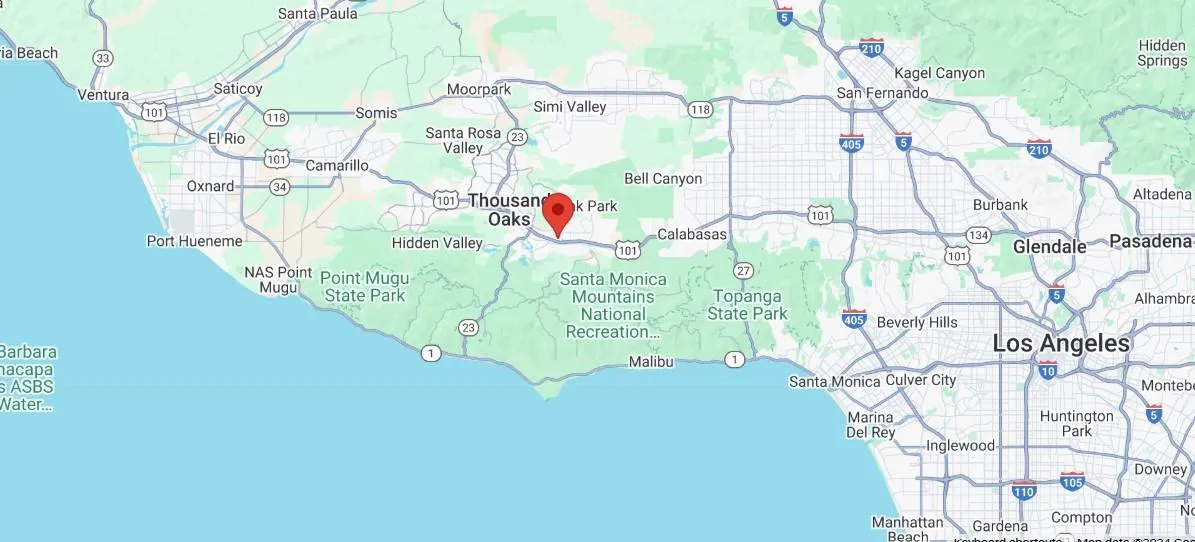
30721 Russell Ranch Rd Suite 140, Westlake Village, CA 91362
CUSTOMER CARE
Get In Touch
Mon – Thurs
10:00am – 4:00pm
Fridays by Appointment
Saturday, Golf
Sunday –hurch
LEGAL
Stay informed about how new technology can make or break a brand.
FOLLOW US


Invenire. Imperare. Excludere.
Be Found. Command. Exclude.
© 2026 IABLEd Search Box Intelligence Academy | All Rights Reserved.
1. SBO Foundations 2: Practical SBO Implementation 3: Deeper Strategy & Behavior
4: Advanced Tactics & Data 5: Expert / Future-Facing 6 Bonus Academy Series