
How IPL Technology Enhances Skin Clarity and Radiance
Author; S.Raj, M.D, Updated: 6/26/2026 Reading Time: 5 Minutesmin
I
PL Photofacial
Introduction: Harnessing the Power of IPL Photofacial for Skin Transformation
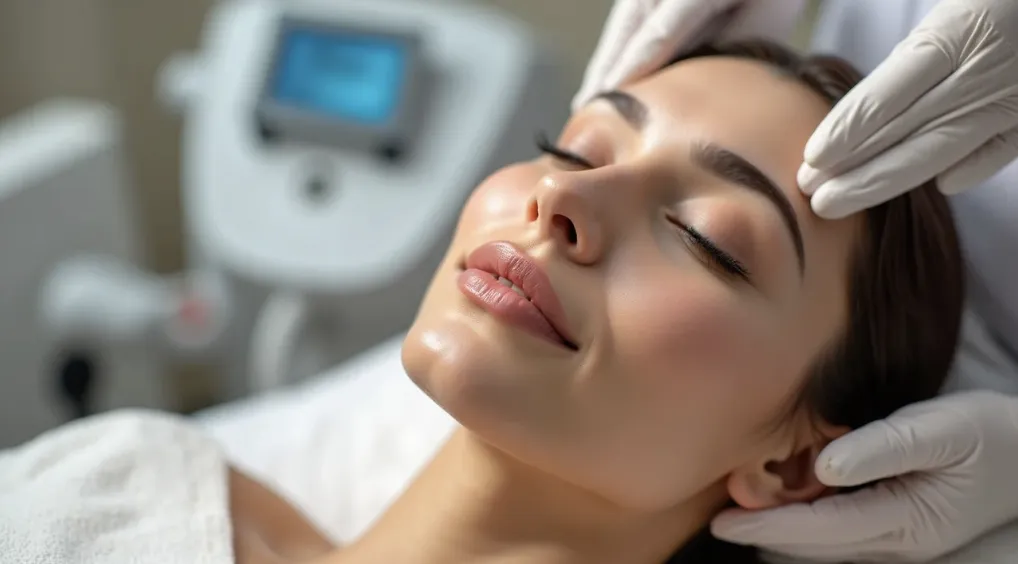
Imagine looking in the mirror and finally seeing the even, radiant skin you’ve always wanted—without makeup. Stubborn sun damage, lingering redness, dark spots, and patchy pigmentation can take a toll on your confidence and skin health. These common skin concerns affect people of all ages and skin types, often making it difficult to achieve a smooth, luminous complexion. For many, topical creams, chemical peels, and over-the-counter products offer only fleeting or partial results—and this is where IPL photofacial steps in.
Addressing common skin concerns: sun damage, redness, pigmentation, and uneven tone
Introducing IPL photofacial: a clinic-grade, non-invasive solution for skin rejuvenation
Realistic expectations: IPL photofacial offers gradual, natural-looking improvement with minimal downtime
"Patients often notice a visible glow after just one IPL photofacial session, but optimal results come with a personalized treatment plan. " – Board-Certified Dermatologist
What You’ll Learn in This Guide
How IPL photofacial works to brighten and clarify your skin
What skin issues IPL photofacial can treat—and who is ideal
The treatment process, sensations, safety, and side effects
How IPL compares to other light and laser therapies
Frequently asked questions and actionable expert advice

What Is an IPL Photofacial? Understanding Intense Pulsed Light Therapy
Definition of IPL Photofacial: Non-Invasive Broad-Spectrum Pulsed Light Therapy
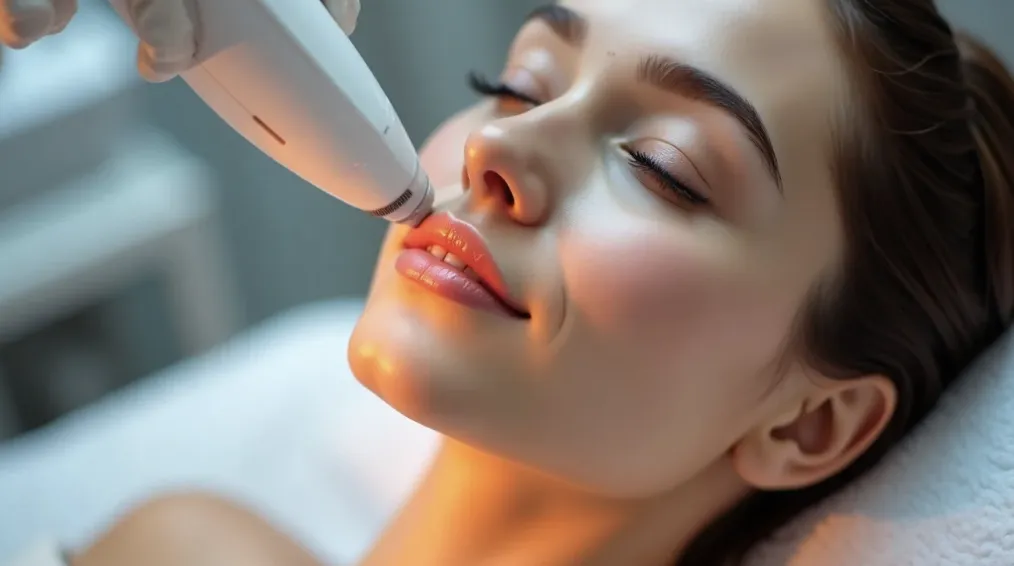
An IPL photofacial is a non-invasive cosmetic procedure that uses intense pulsed light to treat a variety of skin issues, particularly those related to sun damage and pigmentation. Unlike lasers, which use a single, focused wavelength, IPL therapies utilize broad-spectrum light energy. This light targets pigment (melanin) and blood vessels (hemoglobin) in the skin, helping to break up unwanted melanin, calm redness, and promote a clearer, more youthful complexion. IPL photofacial is performed in medical spas, clinics, and dermatology offices as a safe and effective alternative for patients seeking visible improvement without surgery or harsh chemicals.
How Intense Pulsed Light Differs from Laser Treatments for Skin Conditions
The term “intense pulsed light” (IPL) is sometimes confused with lasers, but there are key differences. IPL photofacial treatments use intense, filtered pulses of broad-spectrum light, allowing them to cover larger skin areas and address multiple concerns—including sun damage, brown spots, redness, and uneven skin tone—in one session. In contrast, lasers emit a single, precisely targeted wavelength, which is ideal for very specific issues like deep wrinkles or scars but less versatile for overall skin rejuvenation. Because of this flexibility, IPL photofacial is a popular choice for patients who want to tackle several problems simultaneously with minimal downtime.
Key Points: IPL photofacial covers broad skin areas; ideal for pigmentation and redness; suitable for various skin conditions, especially in lighter skin types.
"Intense pulsed light is adaptable for various skin conditions, making IPL photofacial a popular choice in modern aesthetics. "
How Does IPL Photofacial Work? The Science of Light-Based Rejuvenation
People are often drawn to Botox injections for a variety of personal reasons.
For many, the desire to reduce visible signs of aging—like fine lines, frown lines, or crow’s feet—motivates them to seek cosmetic treatments. Others turn to Botox for its medically recognized benefits, such as relief from chronic migraine headaches or for the management of debilitating muscle spasms.
The appeal doesn’t stop at superficial improvements; Botox is also chosen by individuals hoping to regain confidence, ease discomfort, or simply prevent certain physical symptoms from interfering with daily life. Because these injections are minimally invasive and require virtually no downtime, they’re seen as a practical, low-commitment solution compared to surgical options or more intensive therapies.
The versatility and safety profile of botulinum toxin injections have made this treatment mainstream. These injections appeal to diverse age groups, genders, and health backgrounds. For some, Botox is part of a proactive wellness routine. For others, it’s a targeted medical intervention.
Regardless of motivation, the underlying desire is the same: to look and feel better, more comfortable, and confident in one’s own skin or health.
What Are Botox Injections?
How Intense Pulsed Light Targets Melanin and Hemoglobin in Skin
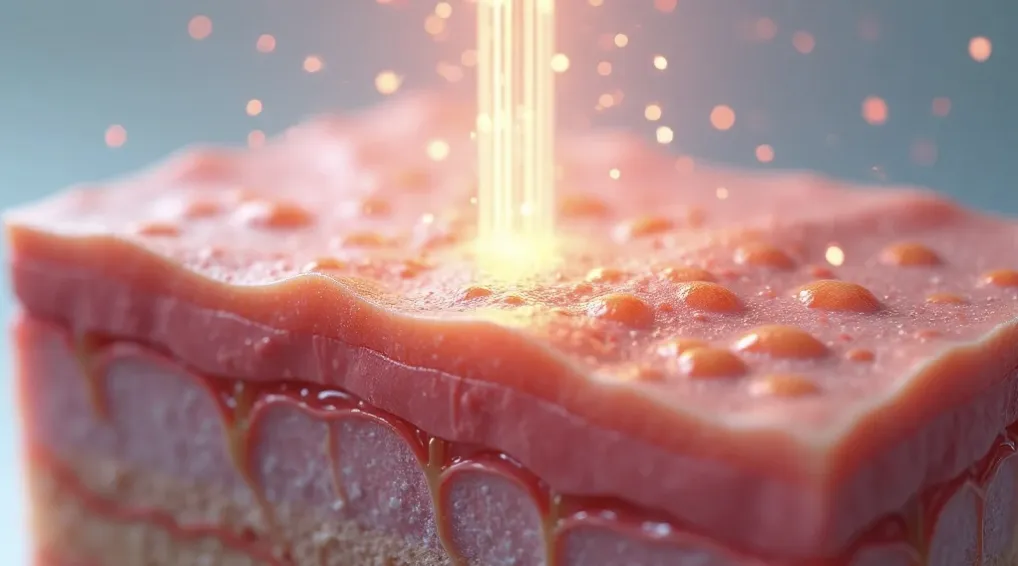
During an IPL photofacial treatment, pulses of light at specific wavelengths penetrate the skin targeting two primary structures: melanin (colored pigment in spots, patches, or freckles) and hemoglobin (in blood vessels causing redness or visible veins). These structures naturally absorb the light energy, which is converted to gentle heat. This process, known as selective photothermolysis, allows the light to break down excess pigment and coagulate small blood vessels without damage to surrounding skin. As the body’s repair mechanisms are activated, unwanted pigmentation fades, redness diminishes, and overall skin clarity improves—all with no incisions and minimal interruption to your daily life.
For those interested in how IPL compares to other advanced skin rejuvenation options, exploring the differences between IPL and laser treatments can help you make an informed decision about which technology best suits your unique skin concerns. You can find a detailed comparison in our guide to IPL versus laser treatments.
IPL Photofacial: Pigment Breakdown, Vascular Targeting, and Cellular Renewal
The true power of IPL photofacial therapy lies in its ability to treat pigmentation and vascular concerns at once. After the session, your body gradually disposes of the disrupted pigment and absorbs treated blood vessels—leading to an even tone and fewer discolorations. Meanwhile, IPL’s stimulation of dermal cells encourages mild collagen production. Over time, this not only evens skin color but can also improve skin texture, minimize pores, and create a revitalized, glowing appearance. Optimal results are typically seen after a customized series of IPL photofacial treatments, adjusted for your specific skin condition and goals.
Mechanisms explained: Light absorption by melanin/hemoglobin, selective destruction (photothermolysis), and triggering of natural skin healing for lasting improvement.
"IPL photofacial treatments leverage the body's own repair processes to correct sun damage and uneven pigmentation. "
What Does IPL Photofacial Treat? Clarifying Skin Conditions Addressed
Sunspots and sun damage
Age spots and lentigines
Freckles
Redness and broken capillaries (rosacea-like symptoms)
Uneven skin tone and discoloration
Mild acne inflammation
How IPL Photofacial Supports Treatment of Multiple Skin Conditions in One Session
With a single IPL photofacial appointment, various forms of pigmentation (like sunspots, freckles, and age spots) and redness (from broken capillaries or rosacea-like symptoms) can be targeted together. This multitasking approach is especially beneficial for those with mixed skin concerns who want efficient, comprehensive results. Patients often see improvement in their skin tone and overall skin radiance, making IPL photofacial an excellent addition to any skin care routine aiming to correct sun damage and restore clarity.
The versatility of intense pulsed light therapy means that after a series of treatments, many patients report brighter, more youthful-looking skin, fewer visible pores, and a decrease in both persistent discoloration and subtle vascular redness. IPL photofacial is safe and effective for select candidates and offers a convenient, evidence-based solution to achieve noticeable results across multiple skin concerns in less time compared to traditional, single-issue treatments.
IPL Treatment Areas: Where Can IPL Photofacial Be Used?
Expanding the Reach of IPL Photofacial Treatment for Comprehensive Rejuvenation
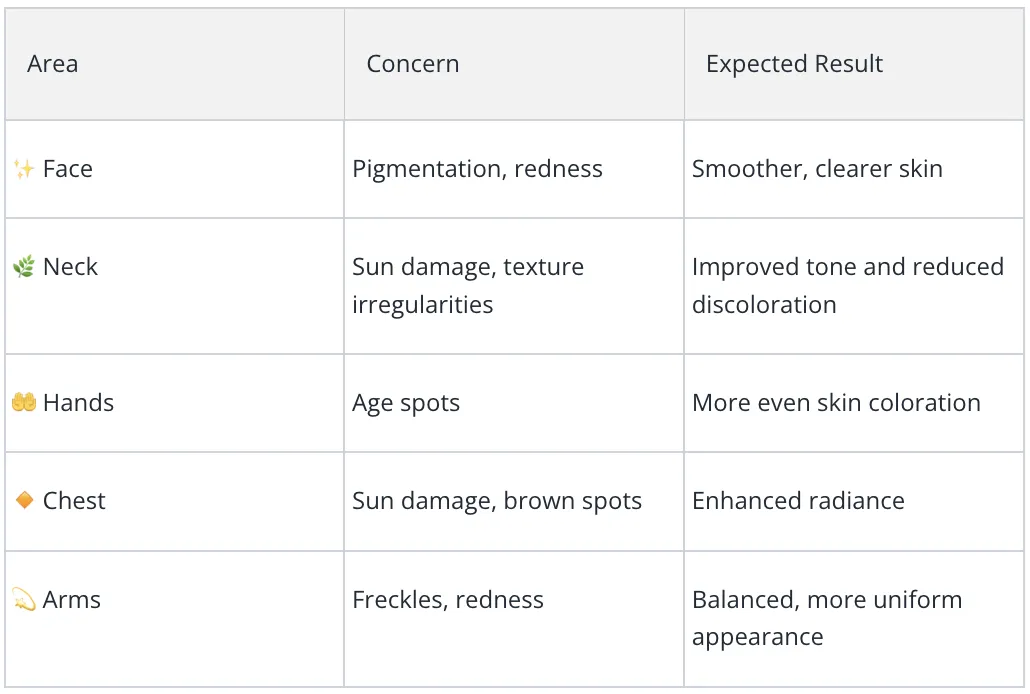
While the face remains the most popular area for IPL photofacial treatment, this technology is equally effective for other often-overlooked but sun-exposed areas. The neck, décolletage (chest), hands, and arms frequently show early signs of aging and sun damage—and can benefit from the multifaceted effects of pulsed light therapy. Treating these regions aligns results, providing a seamless and naturally rejuvenated look from face to fingertips. By targeting both pigmentation and blood vessels, IPL photofacial ensures a consistent tone and youthful clarity throughout visible skin areas, making it a cornerstone of modern, comprehensive skin care.
Extending IPL photofacial treatment to these zones helps clients achieve an overall younger appearance while supporting their daily skin care and sun protection practices. Your provider can tailor the session, adjusting device settings and number of pulses, for the unique skin condition and sensitivity of each area.
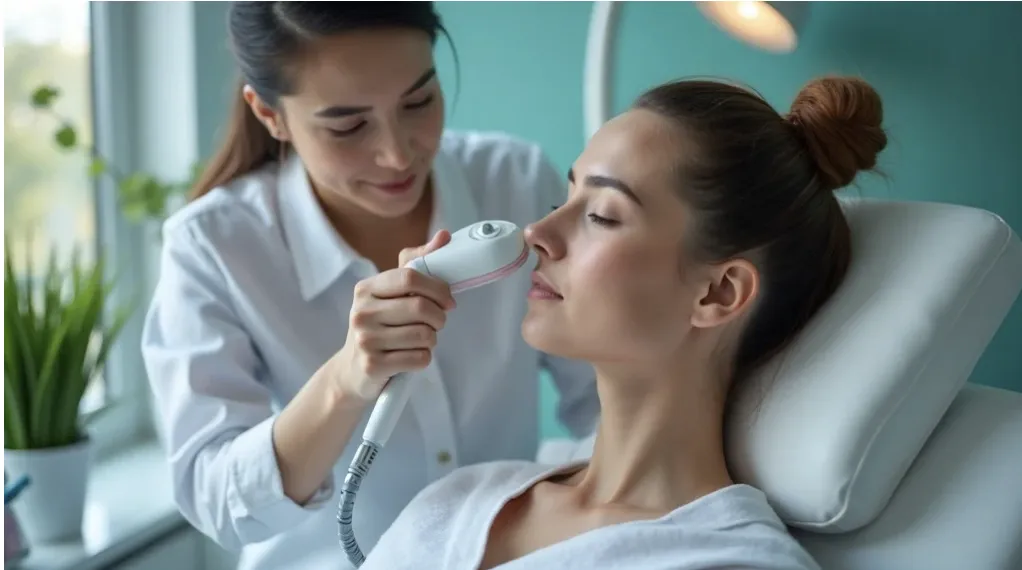
Step-by-Step IPL Photofacial Treatment Procedure
In-depth skin consultation and assessment – Your provider discusses your skin concerns, examines your skin type (using the Fitzpatrick scale), and personalizes your treatment plan for optimal results and safety.
Cleansing and preparation of treatment area – The targeted zone is gently cleaned and prepped, ensuring no residue interferes with the light energy.
Patient safety: protective eyewear application – All patients must wear specialized goggles to protect their eyes from the bright pulsed light.
Intense pulsed light photofacial: gel application and device settings – A cooling gel is applied for comfort and light conduction, while your provider calibrates the IPL device to your unique skin needs.
Administration of light pulses across targeted zones – The provider methodically moves the IPL device over your skin, delivering light in brief pulses. Each pulse may feel like a warm snap.
Session duration overview (typical appointment) – Treatments usually last 20–45 minutes, depending on the area(s) treated.
"A thorough consultation is essential for safe and effective IPL photofacial results. "
IPL Photofacial Session Time and Frequency: What to Expect
How Long Does an IPL Treatment Take Per Session?
Most IPL photofacial treatment sessions take between 20 and 45 minutes, making them easy to schedule around work or other commitments. The exact length depends on the treatment area’s size and the degree of correction needed. Smaller zones (like the face alone) can often be completed in about 30 minutes, while combining multiple areas may require a bit longer. Despite the short appointment times, the comprehensive results often surpass what a single topical or home-use device can deliver. After the procedure, you can return to your normal daily activities—making IPL a true “lunchtime” treatment for busy patients.
Typical Number of IPL Photofacial Sessions for Optimal Outcomes
Optimal results from IPL photofacial therapy are most often seen after a series of treatments. Most skin conditions—especially sun damage, pigmentation, and redness—respond best to a plan of 3 to 5 sessions, spaced 3–4 weeks apart. This timeline allows your body to process and clear away pigment and redness gradually, while minimizing potential side effects. Your provider will help you determine the right number of sessions based on your concerns and skin type. Consistent follow-up and maintenance treatments—scheduled every 6–12 months—help maintain results and keep your skin luminous, especially when combined with good skin care and strict sun protection.
Maintenance and follow-up: Continue enjoying radiance with periodic “touch-up” IPL photofacials and a diligent SPF routine.
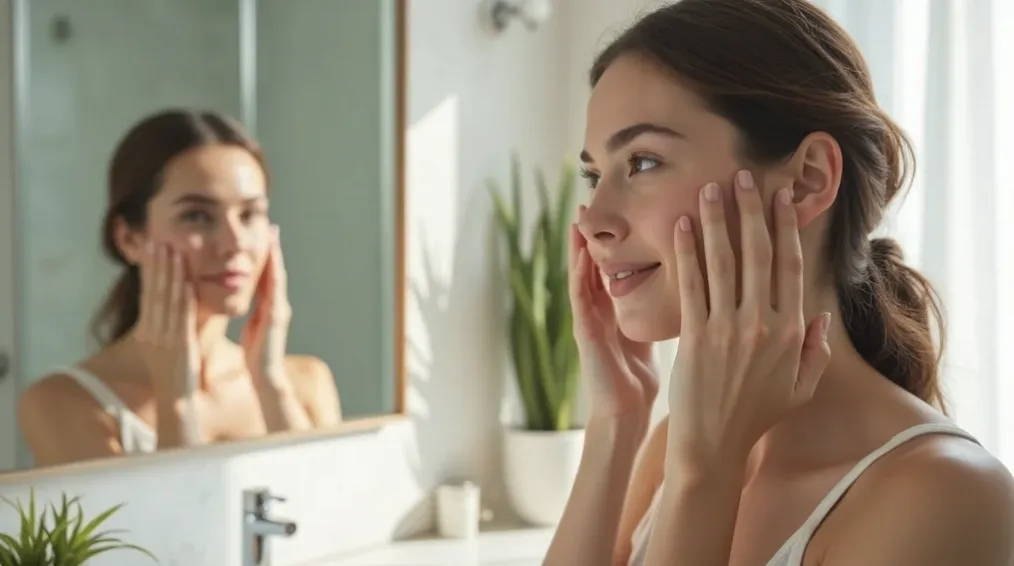
Does IPL Photofacial Hurt? Treatment Sensations and Patient Comfort
Describing the Sensation: Snapping, Tingling, and Warmth During IPL Photofacial Treatment
Many patients wonder, “Does IPL photofacial hurt?” Sensations during intense pulsed light treatments are usually mild and transient. Most describe a feeling similar to a rubber band snapping against the skin—brief, tolerable, and fading quickly after each light pulse. Some also note tingling, mild warmth, or a prickly sensation as the energy is absorbed by pigment and blood vessels. Patient anxiety is common, but the actual procedure is generally well tolerated, especially since modern devices incorporate comfort features.
Role of cooling systems and patient comfort strategies: Most IPL devices use a built-in cooling tip or require a chilled gel, which dramatically reduces discomfort and protects superficial skin layers.
Comparison to other photofacial treatments and patient pain thresholds: Compared to deeper ablative lasers or harsh peels, IPL remains among the most comfortable clinic-grade treatments available, making it ideal for those seeking gentle improvement.
"Most clients describe IPL photofacial as tolerable, with minimal discomfort. "
IPL Photofacial Results: Timeline to Visible Changes
Immediate darkening: Brown spots and pigmented lesions may darken right after the session, signaling effective pigment breakdown.
Natural flaking process: Over the next 3–7 days, treated pigments gradually come to the surface and flake off as the skin renews itself.
How soon IPL results show: Most patients notice visibly brighter, more even skin in 1–4 weeks, with ongoing improvement after each session.
Results Timeline Animation:See gradual before & after changes—pigmentation fades and clarity improves within 1–4 weeks post-treatment.
Safety of IPL Photofacial: Dermatology Best Practices
Safety Profile of IPL Photofacial Treatment
Is IPL photofacial safe? When performed by experienced, medically trained professionals, IPL photofacial is an extremely safe procedure with a well-established record. Proper patient assessment and device calibration are critical to minimizing the already low risk of adverse effects. Your provider will review your medical history and use the Fitzpatrick skin type scale to determine your candidacy. Lighter skin types generally have the best response, while those with darker skin may be at higher risk for unwanted pigment changes.
Why skin type analysis (Fitzpatrick scale) is essential: The wrong settings or inappropriate patient selection can increase risks like burns or pigment issues. Accurate skin type matching ensures safe and effective treatment.
Risk factors: Both before and after treatment, sun exposure must be strictly avoided. Tanned skin is more susceptible to damage, compromising both safety and results.
Side Effects of IPL Photofacial: Common and Rare Reactions
Common Post-Treatment Effects: Redness, Swelling, Temporary Darkening of Pigments
Mild side effects after IPL photofacial treatment are to be expected as your skin heals. Most patients experience temporary redness and swelling—similar to a light sunburn—which resolves within a day or two. Brown spots and pigmented areas often become darker before flaking away, and slight tenderness may occur in more sensitive skin. These aftereffects are normal, short-lived, and signal that your skin care routine is working with your treatment to clear away unwanted pigment.
Rare Side Effects: Burns, Blistering, Pigment Changes
While complications such as burns, blistering, or long-lasting pigment changes are rare, they can happen, particularly in darker skin types or when protocols aren’t followed. Choosing an experienced provider, avoiding recent sun exposure, and honestly disclosing all medications or skin sensitivities dramatically reduces such risks.
How to minimize risks and what to expect after IPL photofacial treatment: Follow all pre- and post-procedure instructions, avoid sun, use gentle skin care, and report any unexpected reactions to your clinic promptly.
"Most side effects are mild and resolve within a few days. "
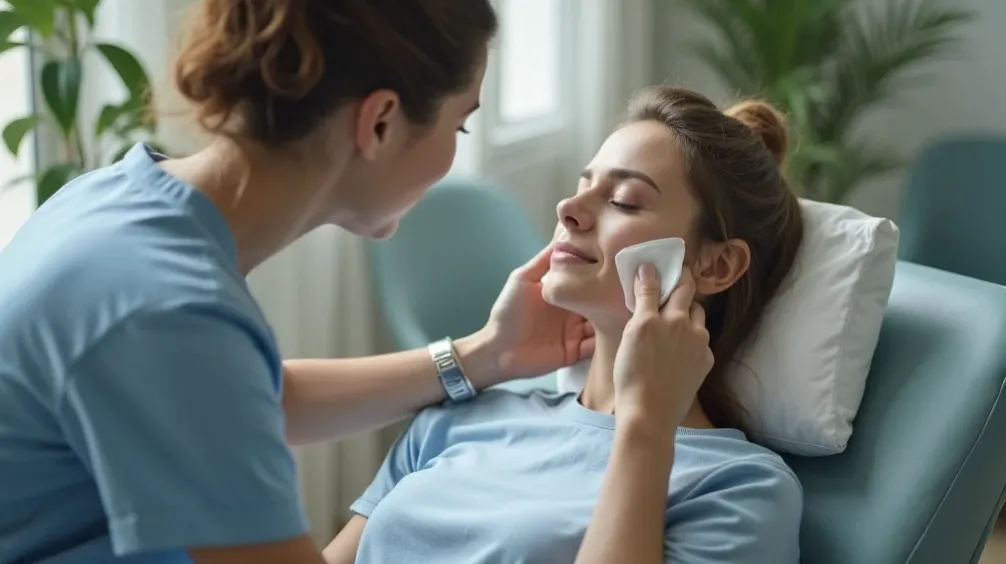
Recovery and Downtime After IPL Photofacial Treatment
What is the recovery time? Most patients resume regular routines within one to three days. Slight redness or flaking is common but usually mild.
Sun avoidance and high-SPF sunscreen use post-IPL session: UV exposure immediately after IPL can cause complications. Always wear high SPF and protective clothing. Avoid direct sunlight for at least one week post-treatment.
Recommended skincare steps after IPL photofacial: Use a gentle cleanser, fragrance-free moisturizer, and avoid retinols or exfoliants until your provider advises it’s safe. Do not pick at flaking spots to avoid scarring.
IPL vs Laser: Which Is Better for Skin Rejuvenation?
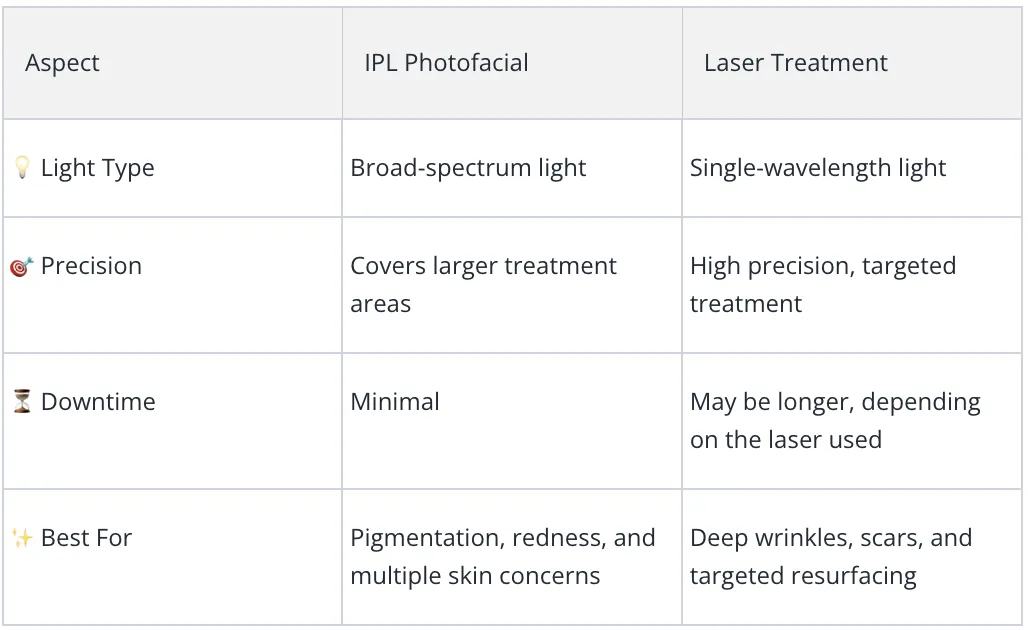
Key differences: IPL photofacial is versatile and ideal for “surface” pigment/redness issues across larger areas. Lasers excel for deeper, pinpoint skin concerns.
Is IPL Photofacial Right For You? Ideal Candidates and Contraindications
Best suited for light to medium skin tones: IPL technology is most effective and safest on lighter Fitzpatrick types (I–III); extra caution is needed for darker skin tones due to pigment change risk.
Specific skin conditions and photofacial treat outcomes: Those affected by sun damage, brown spots, freckles, redness, and mild acne may see significant benefit.
Who should avoid IPL: Patients with recent sun exposure, active tan, pregnancy, open wounds, certain autoimmune disorders, or on medications causing photosensitivity should postpone or avoid IPL photofacial.
Frequently Asked Questions: IPL Photofacial Answers for Patients
What is IPL photofacial and how does it work?
IPL photofacial is a non-invasive light-based therapy using intense pulsed light to target unwanted pigmentation and redness. Light energy is absorbed by pigment and blood vessels, breaking them down and revealing clearer skin with minimal downtime.
What skin concerns can IPL treat?
IPL photofacial treats sun spots, freckles, age spots, redness (rosacea/broken capillaries), uneven tone, and mild acne inflammation—multiple concerns can be addressed in one session.
How long does an IPL session take?
An IPL photofacial session typically lasts 20–45 minutes, depending on the area and conditions being treated.
Is anesthesia needed for IPL treatment?
No anesthesia is required; most patients tolerate the “rubber band snap” sensation well, with only topical cooling for added comfort.
What is the recovery time after IPL photofacial?
Downtime is mild. You can usually resume daily activities immediately, with any redness or flaking resolving in 1–3 days.
When will I see results from IPL?
Some brightness appears within days, but most patients see continued improvement in spots, tone, and clarity within 1–4 weeks post-treatment.
How many IPL sessions are recommended?
Most patients need 3–5 sessions spaced several weeks apart for best results, with occasional maintenance sessions thereafter.
Are there any side effects of IPL treatment?
Mild redness, swelling, and darkening of spots are common, resolving in days; rare side effects include blisters or pigment changes.
Who is not a good candidate for IPL?
Those with dark skin, recent tan, pregnancy, open wounds, or certain medical/medication contraindications should consult before proceeding.
Can IPL be combined with other treatments?
Yes—many clinics combine IPL with peels, microneedling, or topical therapies as part of a customized skin rejuvenation plan.
People Also Ask: IPL Photofacial Essential Questions
What does an IPL photofacial do?
IPL photofacial uses intense pulsed light to target and break down pigmentation, redness, and uneven skin tone, revealing clearer and more radiant skin over time.
Are IPL photofacials worth it?
For many patients with pigmentation, sun damage, and redness, IPL photofacials offer visible skin improvement with minimal downtime, making them well worth consideration after consultation.
What is the downside of IPL?
Potential downsides include mild discomfort, brief redness or swelling, temporary pigment changes, and rare risk of burns—most are minor and manageable.
How long for IPL photofacial results?
Most patients start noticing improvement in 1–2 weeks, with continuous skin clarity gains as pigmentation flakes away and healing progresses.
Is IPL better than laser treatment?
IPL covers larger areas and multiple concerns per session, while lasers provide more targeted results for specific issues. A consultation will help determine the best option.
Does IPL photofacial hurt?
Most patients describe the sensation as a brief, snapping feeling, similar to the snap of a rubber band, and discomfort is generally minimal.
How long do IPL results last?
Results can last several months to a year or more, especially with ongoing sun protection and maintenance treatments.
Can IPL remove freckles and age spots?
Yes, IPL photofacial helps fade or remove freckles and age spots by shattering pigmented cells, which are gradually expelled from the skin.
What skin types can have IPL treatment?
IPL works best for light to medium skin types; darker skin types require extra caution and may not be suitable due to risk of pigment changes.
How many days does skin heal after IPL?
Most patients experience healing within 3–7 days, during which some redness, swelling, and skin flaking may occur.
Can IPL treat acne and redness?
IPL photofacial reduces mild acne inflammation and diminishes redness from broken capillaries, making it effective for both concerns.
What should I avoid after IPL treatment?
Avoid sun exposure, hot showers, harsh skincare, and picking flaking skin for at least a week post-IPL photofacial.
How often should you get IPL photofacials?
IPL treatments are typically spaced 3–4 weeks apart, with 3–5 sessions as a series and maintenance sessions every 6–12 months as recommended.
Can IPL make pigmentation worse?
If incorrectly performed, IPL can trigger pigment changes, especially in unsuitable skin types; always have IPL administered by a qualified practitioner.
Ask the Expert:Board-certified dermatologist answers common IPL photofacial questions—watch or read for expert Q&A clarity.
Contact Us to Find the Best Med Spa Services for Your Skin Care Goals
Ready to reveal clearer, more radiant skin? Contact us today to schedule your personalized IPL photofacial consultation with our expert dermatology and aesthetic medicine team.
S. Raj, M.D. / Bestmedspaus.com
Director, Search Intelligence University/IABLEd
International Association for Business Leaders’ Education
Sources

The IABLEd
Beauty Intelligence University
The Definitive Curriculum for Search MarketVibrance and Beauty
Invenire. Imperare. Excludere.
Be Found. Command. Exclude.
Command Your Body. Control the Effects.
Want Your World to Discover You,
the Easy Way?
Experience wellness while exploring opportunities.
We provide the necessary architecture to transform your body into a vibrant, work of art and global influence. Ask us how.
Copyright 2026. Best Med Spa US. All Rights Reserved.

* * * * *
COMPANY
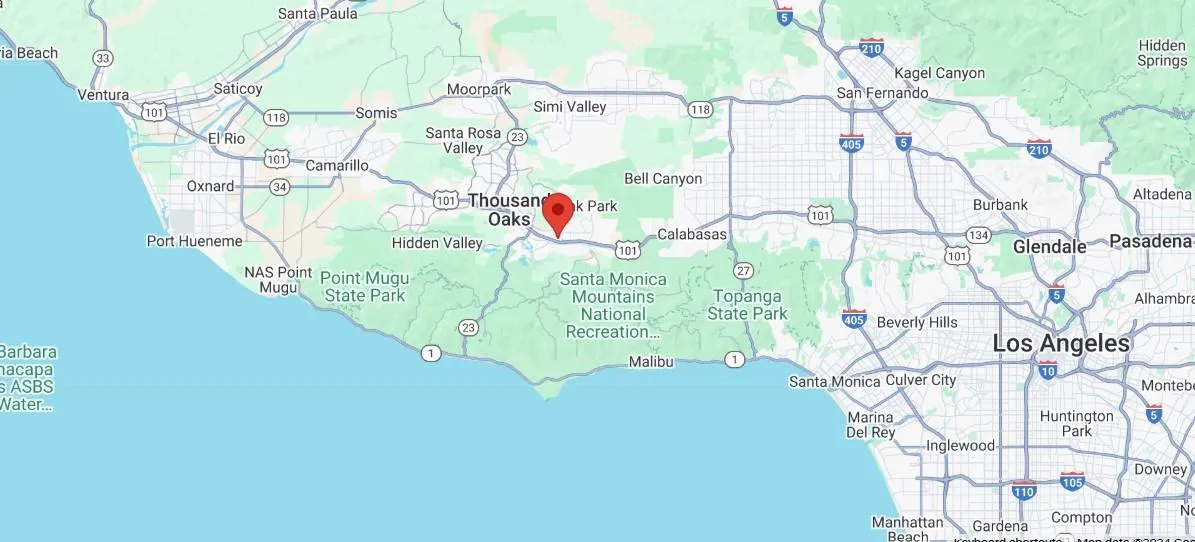
30721 Russell Ranch Rd Suite 140, Westlake Village, CA 91362
CUSTOMER CARE
Get In Touch
Mon – Thurs
10:00am – 4:00pm
Fridays by Appointment
Saturday, Golf
Sunday –hurch
LEGAL
Stay informed about how new technology can make or break a brand.
FOLLOW US


Invenire. Imperare. Excludere.
Be Found. Command. Exclude.
© 2026 IABLEd Search Box Intelligence Academy | All Rights Reserved.
1. SBO Foundations 2: Practical SBO Implementation 3: Deeper Strategy & Behavior
4: Advanced Tactics & Data 5: Expert / Future-Facing 6 Bonus Academy Series