
How Laser Technology Reduces Unwanted Hair Growth
Author; S.Raj, M.D, Updated: 6/26/2026 Reading Time: 5 Minutesmin
Laser Hair Removal
Imagine saying goodbye to the constant cycle of shaving and waxing, and greeting lasting smoothness thanks to the precision of modern laser technology. Today, laser hair removal isn’t just a futuristic dream—it’s a reality changing the way we treat unwanted hair. This comprehensive, medically-verified guide gives you expert answers and practical insights to help you confidently explore if laser hair removal is right for you.
What You'll Learn in This Laser Hair Removal Guide

What is laser hair removal and how it works
Effectiveness, safety, and duration of results
Number of sessions and candidate suitability
Pain expectations and aftercare
Side effects and cost analysis
Expert answers to common questions
Introduction: Transforming Hair Removal with Advanced Laser Technology
Laser hair removal has reshaped personal care in clinics and medical spas worldwide. No longer bound by daily razors or frequent waxing appointments, clients enjoy long-term hair reduction with confidence. As a board-certified dermatologist, I’ll walk you through every step of the laser hair removal journey, demystifying the process, setting expectations, and highlighting safety so you can make an informed decision.

What Is Laser Hair Removal?
Laser hair removal is a non-invasive procedure that uses focused laser energy to target and destroy hair follicles, significantly reducing hair regrowth. This FDA-cleared treatment provides lasting results for a wide range of skin types and is performed by licensed dermatologists or trained professionals in a safe clinical setting.
“Laser hair removal leverages advanced laser energy to safely and effectively minimize hair growth for smoother skin results.” – Board-Certified Dermatologist
How Does Laser Hair Removal Work?
Laser hair removal works by sending specific wavelengths of light that are absorbed by melanin in the hair follicle. The laser energy heats and damages the follicle during the active anagen phase, preventing future hair growth. Devices such as diode laser, alexandrite laser, and Nd:YAG laser are chosen based on Fitzpatrick skin type to ensure safety and effectiveness across different skin and hair colors.

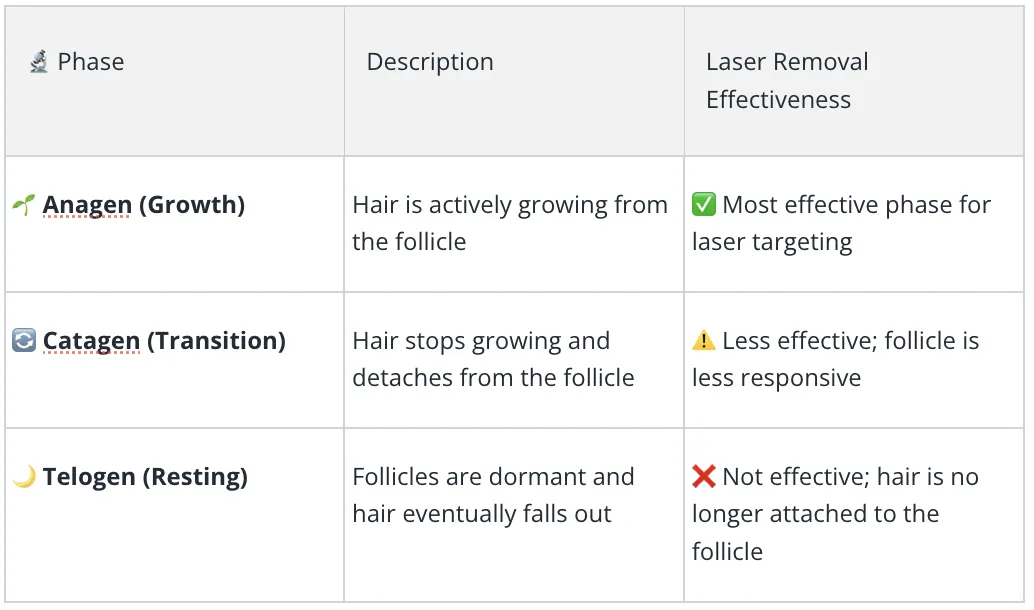
Hair Growth Cycle Explained
Understanding the hair growth cycle is key for effective laser hair removal. Hair grows in three phases: anagen (growth), catagen (transition), and telogen (resting). Laser energy is most effective during the anagen phase when hair is actively generated by the follicle, making multiple sessions necessary to capture all follicles at the right time for reduction.
For those interested in exploring more about the latest advancements and best practices in med spa services, including laser hair removal, you can find additional resources and expert insights at this comprehensive med spa directory. It’s a helpful way to compare options and stay informed about reputable providers in your area.
Laser Hair Removal Treatment Areas
Face (upper lip, chin, sideburns)
Underarms
Bikini and Brazilian
Legs
Back and shoulders
Chest and abdomen
Arms and hands
Laser hair removal is versatile and can treat almost any area with unwanted hair. The treatment area is chosen based on your goals and a dermatologist’s assessment, ensuring laser suitability and maximum effectiveness, whether you’re targeting the upper lip, bikini line, legs, or back.

Step-by-Step: Laser Hair Removal Procedure
Pre-treatment skin assessment by dermatologist
Selection of laser technology based on Fitzpatrick skin type
Cleansing and prepping of the treatment area
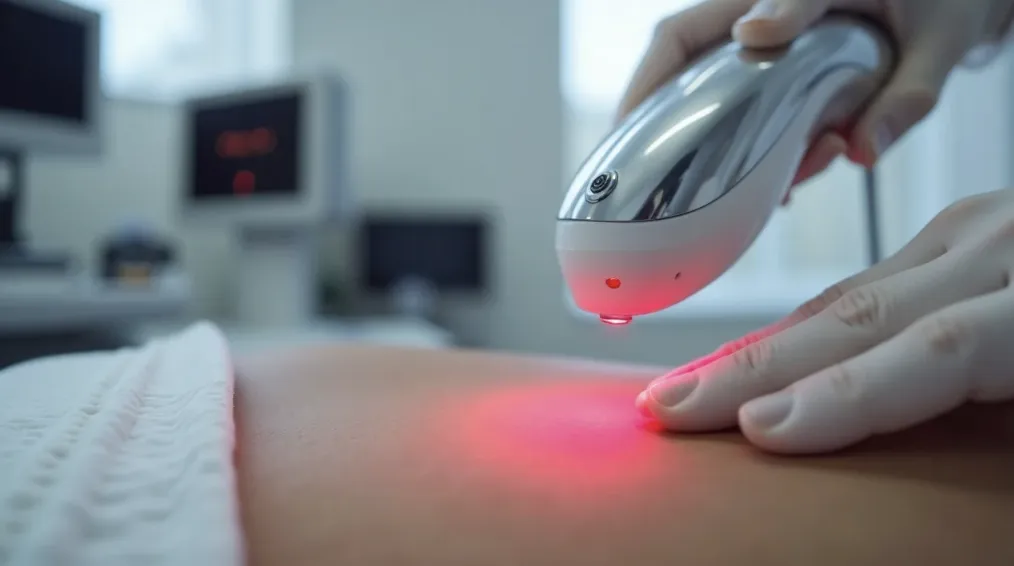
Laser application with cooling device for comfort
Post-procedure care guidance
Each step is vital for both safety and best results. Starting with a comprehensive consultation, the process is tailored to your skin and hair type, focusing laser energy only on the required treatment areas. Cooling devices minimize discomfort. Aftercare recommendations ensure optimal healing of treated skin.
How Many Sessions for Laser Hair Removal?
Most people need 4 to 8 sessions of laser hair removal, spaced several weeks apart. Session count is determined by the body area, hair color and density, and individual hair growth patterns. Maintenance treatments may occasionally be needed to maintain the smoothness achieved
Does Laser Hair Removal Hurt?
Discomfort during laser hair removal is described as a light rubber band snap or pinch—brief and tolerable for most clients. Advanced devices use cooling technology, and numbing creams are available for sensitive zones. Pain may vary by treatment area and personal pain threshold but is usually mild.
"Patients often compare the sensation to a light snap or pinch—quick and tolerable." - Laser Practitioner
Is Laser Hair Removal Safe?
Yes, laser hair removal is considered safe and effective when performed by a qualified dermatologist or highly trained medical spa professional. Today’s diode, alexandrite, and Nd:YAG laser technologies are FDA-cleared for multiple Fitzpatrick skin types. Risks are minimized with correct protocols and professional oversight.

Laser Hair Removal Results Timeline
Visible reduction in hair occurs after a few sessions, with optimal smoothness after the full recommended course. Most clients see significantly reduced hair growth, requiring only occasional maintenance treatments afterward. Laser technology delivers long-lasting smoothness by targeting hair follicles during their active growth phase.
What Are the Side Effects of Laser Hair Removal?
Common side effects include mild redness, swelling, and light irritation at the treated area, generally resolving within a few hours. Rarely, temporary pigmentation changes or blistering may occur, especially if aftercare instructions are not followed or if treatment area selection is not appropriate. Consulting an experienced professional reduces side effect risks.
Redness and swelling
Mild irritation
Pigmentation changes
Blistering (rare)
Folliculitis (rare)

Laser Hair Removal Cost Breakdown
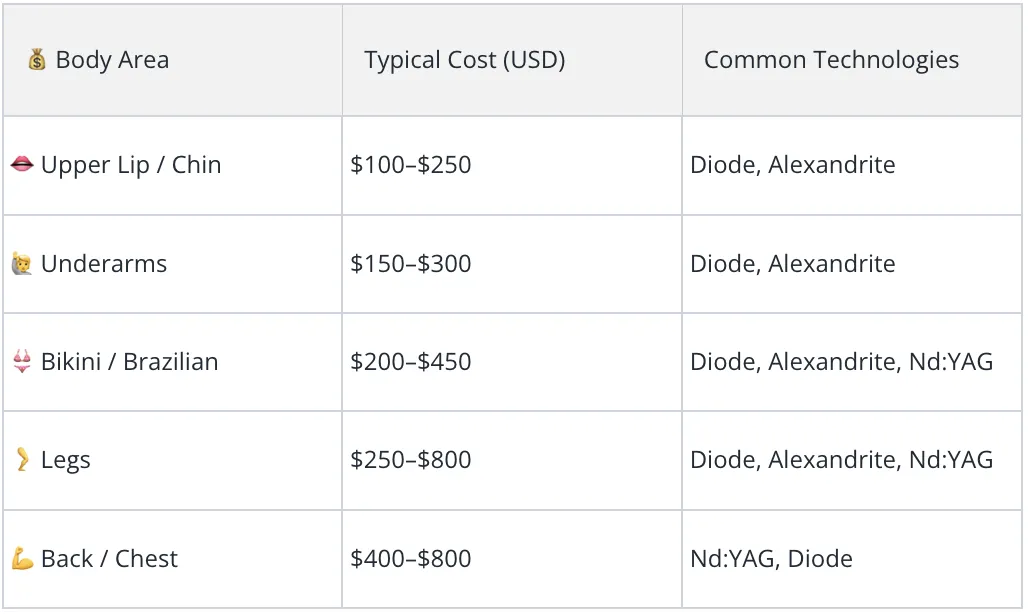
Laser hair removal costs vary based on the area, number of sessions, clinic location, and chosen technology like diode, alexandrite, or Nd:YAG lasers. Consult your local medical spa for a personalized estimate tailored to your skin type and hair color.
Laser Hair Removal vs. Waxing: Which Is Better?
Laser hair removal offers long-lasting to permanent reduction by targeting hair at the root—the hair follicle. Unlike waxing, which removes only the visible hair and requires frequent repeat sessions, laser hair removal delivers sustainable smoothness with less skin irritation and minimal maintenance after completion.
Who Is a Good Candidate for Laser Hair Removal?
Laser hair removal works best for people with dark hair and light skin due to higher contrast in melanin. However, newer devices like Nd:YAG laser and advanced diode lasers safely expand options for those with darker skin (higher Fitzpatrick skin types). A dermatologist will assess your skin color and hair type for optimal results.
Aftercare: What to Do After Laser Hair Removal Treatment
Avoid sun exposure on treated areas
Use gentle, fragrance-free skincare on treated skin
Apply soothing, non-comedogenic moisturizer
Avoid hot baths and pools for 24–48 hours
Follow dermatologist and clinic aftercare instructions

Expert Answers to Top Laser Hair Removal Questions (AEO Optimized)
What is laser hair removal?
Laser hair removal is a cosmetic procedure using focused laser energy to destroy hair follicles, leading to long-term hair reduction or removal. The process is safe, precise, and performed by medical professionals using advanced equipment.
How does laser hair removal work?
Laser hair removal works by directing specific wavelengths of light at targeted hair follicles, where melanin absorbs the energy, damaging the follicle and inhibiting further hair growth, especially during the active growth (anagen) phase.
Is laser hair removal permanent?
Laser hair removal provides long-term hair reduction, but some hair regrowth may occur. Periodic maintenance treatments help sustain results, and most clients enjoy significant, lasting smoothness in treated areas.
How long does laser hair removal last?
Results from laser hair removal can last for months to years, with most people requiring only occasional touch-ups. The longevity depends on hair color, growth cycles, and adherence to treatment recommendations.
Is laser hair removal safe?
Yes, when performed by certified professionals using FDA-cleared devices, laser hair removal is safe for most skin and hair types. Risks are minimized with appropriate technology, technique, and qualified supervision.
Does laser hair removal hurt?
Mild discomfort is common, often described as a snap or pinch. Modern devices include cooling features, and numbing creams are available for sensitive areas.
What is the best age for laser hair removal?
Most experts recommend starting laser hair removal after puberty, generally age 18 or older, when hair growth patterns have stabilized. Always consult your provider for guidance based on individual health.
How many sessions for laser hair removal?
Most clients require 4 to 8 sessions, scheduled 4–8 weeks apart, followed by maintenance treatments for the best long-term results and maximum hair reduction.
What are the side effects of laser hair removal?
Common side effects include mild redness, swelling, and irritation at the treatment site. Rarely, pigment changes or blistering may occur. Following aftercare instructions reduces these risks.
What is the cost of laser hair removal per session?
]Laser hair removal costs range from $100 to $800 per session, depending on the treated area and technology. A personalized quote is available through a consultation with your provider.
People Also Ask About Laser Hair Removal

Is laser hair removal really worth it?
Yes, laser hair removal is worth it for many people seeking lasting reduction of unwanted hair, convenience, and smoother skin compared to traditional methods.
Laser hair removal offers sustainable results after the initial treatment series, eliminating the hassle of frequent shaving or waxing. While the upfront investment is higher, most clients see long-term savings in both time and cost. Satisfaction is highest when expectations match the technology’s capabilities, and when treatment is customized by a knowledgeable dermatologist or medical spa expert.
How much does laser hair removal cost?
The average cost of laser hair removal ranges from $100 to $800 per session, depending on area size, clinic location, and chosen technology.
Costs reflect several factors: size of treatment area (e. g. , upper lip vs. full back), number of sessions, the medical spa’s expertise, and technology used (diode, alexandrite, or Nd:YAG lasers). Initial consultations help create a tailored treatment plan and accurate cost estimate. Some clinics offer package deals for best overall value.
Does laser hair removal work on all skin types?
Modern laser hair removal works on most skin types, with device selection matched to your skin color and hair type for safety and efficacy.
Technologies like Nd:YAG lasers are suitable for darker skin tones (Fitzpatrick IV–VI), while diode and alexandrite lasers serve lighter complexions. Success depends on a skilled provider assessing your combination of hair and skin color, adapting the protocol for your needs to maximize results and minimize risks.
Can laser hair removal cause cancer?
No, there is no evidence that laser hair removal causes cancer. Laser energy targets only hair follicles with non-ionizing light.
The lasers used for hair removal use non-ionizing radiation, which does not alter DNA or increase cancer risk. The light remains in the skin’s upper layers, specifically affecting melanin in the hair follicle. This makes the treatment both safe and popular for long-term hair reduction. If you have health concerns, consult your dermatologist before proceeding.
Why is hair growing back after laser treatment?
It’s normal for some hair to regrow after laser treatments due to the hair growth cycle; multiple sessions are needed for the best reduction.
Not all hair follicles are active at each appointment—some remain dormant and escape initial treatment. As hair cycles through phases, new follicles can begin growing, requiring additional sessions. Occasional maintenance treatments help keep skin smooth for the long term, as biology and hormonal factors play a role in regrowth rates.
How long should you wait between laser sessions?
Wait 4–8 weeks between laser hair removal sessions, allowing hair follicles to enter their active growth stage for best results.
The optimal interval depends on the body area, with facial zones typically treated every 4 weeks and larger areas like legs treated every 6–8 weeks. Your provider will create a session schedule tailored to your hair type and growth cycle to achieve maximum reduction and safety.
What areas should not be treated with laser hair removal?
Avoid treating areas near mucous membranes, inside the nose or ears, eyelids, tattoos, moles, or certain birthmarks with laser hair removal.
Laser exposure in these sensitive regions poses a higher risk of burns or eye injury, while pigmented areas like tattoos or moles can react unpredictably. An experienced medical spa professional or dermatologist will assess area suitability during consultation and avoid high-risk zones for your safety.
Can men get laser hair removal?
Yes, men frequently get laser hair removal for areas like the back, chest, neck, and beard line, with results comparable to women.
Male clients benefit from reduced hair growth and irritation in high-density zones. Each treatment plan is personalized based on hair color, skin color, and goals. The procedure is safe and effective for all genders when performed by trained professionals using tailored settings.
Is laser hair removal better than waxing?
Laser hair removal typically provides longer-lasting and more permanent results than waxing, which requires frequent maintenance.
Laser hair removal targets hair follicles for ongoing hair reduction, whereas waxing removes only the hair shaft. Fewer maintenance sessions are needed long-term, with a lower risk of ingrown hairs and skin irritation. Most clients find it more convenient and cost-effective over time.
What should you avoid after laser hair removal?
Avoid sun exposure, hot baths, pools, sweating, and harsh products for 24–48 hours following treatment to protect your skin.
Post-procedure, your skin is slightly sensitive—minimizing heat and irritation preserves results and reduces risk of side effects like redness or pigmentation changes. Your provider will share tailored recommendations, including which products to use and activities to pause until your skin recovers fully.
Frequently Asked Questions About Laser Hair Removal
What is laser hair removal and how does it work?
How many sessions are needed for permanent results?
Is laser hair removal painful?
What are the risks or side effects?
How much does laser hair removal cost in 2026?
Who is a good candidate for laser hair removal?
Can laser hair removal be done on sensitive skin?
What should you do before a laser hair removal session?
What aftercare is required after treatment?
How soon will you see results from laser hair removal?
What is laser hair removal and how does it work?
Laser hair removal uses powerful light energy, targeting pigment (melanin) in the hair follicle. This destroys the follicle and prevents regrowth. The treatment is performed at a clinic or medical spa with professional supervision.
How many sessions are needed for permanent results?
Most people require four to eight sessions to achieve long-term hair reduction. Results can vary, and maintenance treatments may be needed to ensure ongoing smoothness in treated areas.
Is laser hair removal painful?
Laser hair removal usually feels like a quick snap or mild sting on the skin. Most people tolerate the sensation well, and cooling devices or topical anesthetic can reduce discomfort, especially in sensitive areas.
What are the risks or side effects?
Possible risks include temporary redness, swelling, and irritation. Side effects are usually mild and short-lived. Rarely, pigment changes or blistering can happen if the aftercare isn’t followed or if incorrect technique is used.
How much does laser hair removal cost in 2026?
In 2026, typical laser hair removal sessions range from $100 to $800 per treatment, depending on the area and clinic. Always ask your provider for a custom package or estimate during consultation.
Who is a good candidate for laser hair removal?
Ideal candidates have dark hair and lighter skin, but new technology can safely treat more skin types. A board-certified dermatologist will determine your suitability after assessing your skin and hair.
Can laser hair removal be done on sensitive skin?
Yes, with proper technology and protocols, laser hair removal can be safe on sensitive skin. Inform your provider about any allergies or sensitivities, so they can personalize your plan.
What should you do before a laser hair removal session?
Before your appointment, shave the treatment area, avoid tanning and harsh skin products, and let your provider know about any medications or skin changes for safe and effective treatment.
What aftercare is required after treatment?
Gently moisturize, avoid sun, heat, and strong skincare products, and follow any additional advice from your provider. Keeping treated skin protected and clean will maximize your results and comfort.
How soon will you see results from laser hair removal?
You’ll notice reduced hair within a few sessions, with the best results visible after completing your initial series. Most clients enjoy long-lasting smooth skin with only occasional touch-ups needed.
Key Takeaways for Safe and Effective Laser Hair Removal
Laser hair removal offers lasting results for unwanted hair
Choose a skilled medical spa or dermatologist for best outcomes
Understand the hair growth cycle for realistic expectations
Proper aftercare and multiple sessions are essential
Consult an expert to ensure suitability and safety
Ready for Smoother Skin?
S. Raj, M.D. / Bestmedspaus.com
Director, Search Intelligence University/IABLEd
International Association for Business Leaders’ Education
Sources
https://en.wikipedia.org/wiki/Laser_hair_removal - Laser hair removal
https://www.aad.org/public/cosmetic/hair-removal/laser-hair-removal-faqs - Laser hair removal: FAQs
https://www.ncbi.nlm.nih.gov/books/NBK507861/ - Laser Hair Removal - StatPearls - NCBI Bookshelf
https://milanlaser.com/ - Experts in Laser Hair Removal | Milan Laser

The IABLEd
Beauty Intelligence University
The Definitive Curriculum for Search MarketVibrance and Beauty
Invenire. Imperare. Excludere.
Be Found. Command. Exclude.
Command Your Body. Control the Effects.
Want Your World to Discover You,
the Easy Way?
Experience wellness while exploring opportunities.
We provide the necessary architecture to transform your body into a vibrant, work of art and global influence. Ask us how.
Copyright 2026. Best Med Spa US. All Rights Reserved.

* * * * *
COMPANY
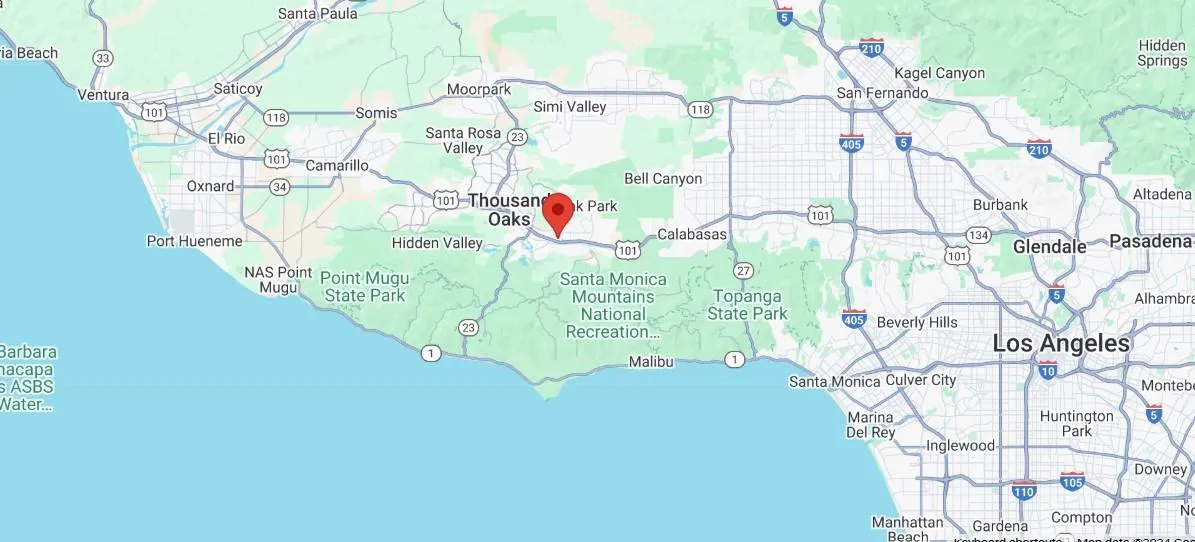
30721 Russell Ranch Rd Suite 140, Westlake Village, CA 91362
CUSTOMER CARE
Get In Touch
Mon – Thurs
10:00am – 4:00pm
Fridays by Appointment
Saturday, Golf
Sunday –hurch
LEGAL
Stay informed about how new technology can make or break a brand.
FOLLOW US


Invenire. Imperare. Excludere.
Be Found. Command. Exclude.
© 2026 IABLEd Search Box Intelligence Academy | All Rights Reserved.
1. SBO Foundations 2: Practical SBO Implementation 3: Deeper Strategy & Behavior
4: Advanced Tactics & Data 5: Expert / Future-Facing 6 Bonus Academy Series