
Exploring the Causes, Treatments, and Prevention of Skin Pigmentation
Author; S.Raj, M.D, Updated: 6/30/2026 Reading Time: 5 Minutesmin
Pigmentation & Laser Articles
Imagine standing in front of the mirror and noticing a dark spot that wasn’t there before. For many people, changes in skin pigmentation — whether freckles, age spots, or melasma — are a source of both emotional and cosmetic concern. With the evolution of dermatology, modern clinics now offer a range of safe, effective, and customizable options to address unwanted pigmentation. In this guide, we’ll explore why pigmentation happens, highlight the latest pigmentation & laser articles, and explain what you can do to regain confidence in your skin.
Understanding Skin Pigmentation: Definition and Impact

Skin pigmentation explained: Skin pigmentation refers to the color of your skin, which is determined primarily by a natural pigment called melanin. Produced by cells known as melanocytes, melanin absorbs UV radiation and protects the skin from damage.
Role of melanin in skin color: Variations in skin tone and the tendency to develop pigmented lesions depend on the amount and type of melanin. People with darker skin have more melanin, offering more natural sun protection but also presenting unique pigmentation concerns.
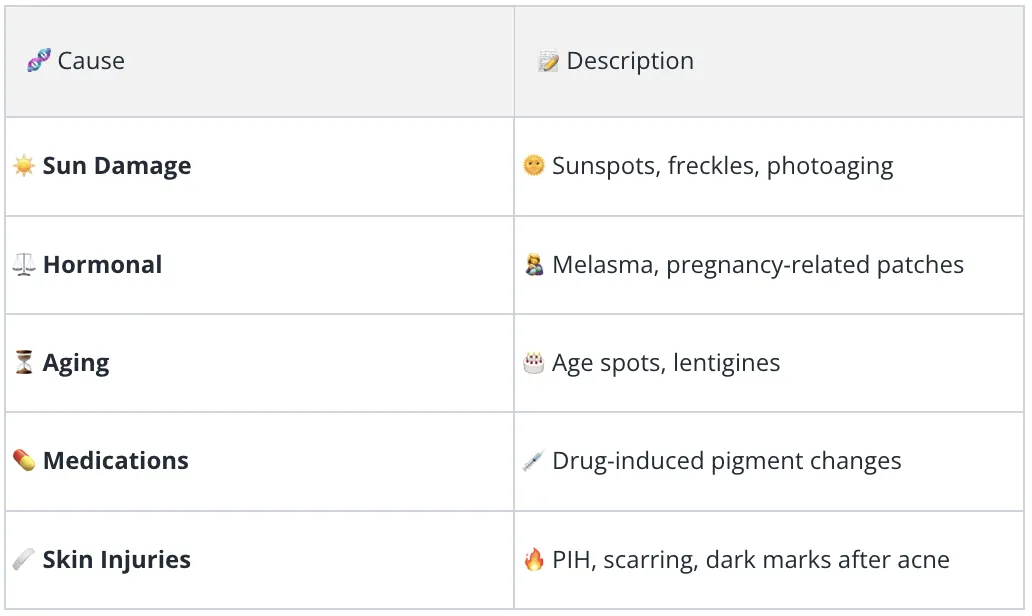
Difference between normal and excessive pigmentation: While some pigmentation is normal and even protective, hyperpigmentation — such as dark spots, melasma, and age spots — occurs when melanin is produced in excess or unevenly. These changes may be triggered by sun exposure, hormones, inflammation, or skin injuries.

"Pigmented lesions and dark spots are among the most common dermatological concerns faced by patients today." – Dermatologist, Clinic Interview
Emotional and cosmetic impacts of pigmentation: These visible changes often impact confidence and self-esteem. For some individuals, pigmentation disorders carry social or psychological effects as well as physical symptoms.
Skin Pigmentation & Laser Articles
Pigmentation affects people of all ages and skin types. It is not limited by ethnicity, age, or gender.
Early intervention can improve outcomes. Seeking professional advice promptly leads to better results and can help prevent further pigment changes.
What Causes Hyperpigmentation? Pigmentation & Laser Articles Overview
UV exposure and sun damage: The most common trigger for hyperpigmentation is ultraviolet (UV) light from the sun. Prolonged sun exposure prompts increased melanin production, resulting in sunspots, freckles, and uneven coloration. Unprotected exposure also accelerates signs of aging and can worsen existing pigment problems.
Melasma and hormonal influences: Melasma is a patterned pigmentation condition, common among women, strongly influenced by female hormones, pregnancy, or hormonal medications. It manifests as symmetrical, brownish patches, typically on the face.
Post-inflammatory hyperpigmentation (PIH): Any irritation, injury, acne, or eczema flare can trigger extra melanin in the healing skin, leaving behind residual dark marks, especially for people with darker skin tones.
Genetic and aging factors: Family history, genetics, and the cumulative effects of time contribute to pigment changes, such as age spots, which become more common with advancing age.
Medication and lifestyle influences: Certain drugs and chemicals can sensitize skin to light or stimulate pigmentation, while lifestyle factors like inconsistent sun protection, trauma, or skin picking are common contributors.
For those interested in a deeper dive into how professional clinics approach pigmentation, you can explore a curated directory of med spa services and providers at this comprehensive med spa directory. It’s a helpful resource for comparing treatment options and finding reputable specialists in your area.
Common Types of Pigmentation: Insights from Pigmentation & Laser Articles
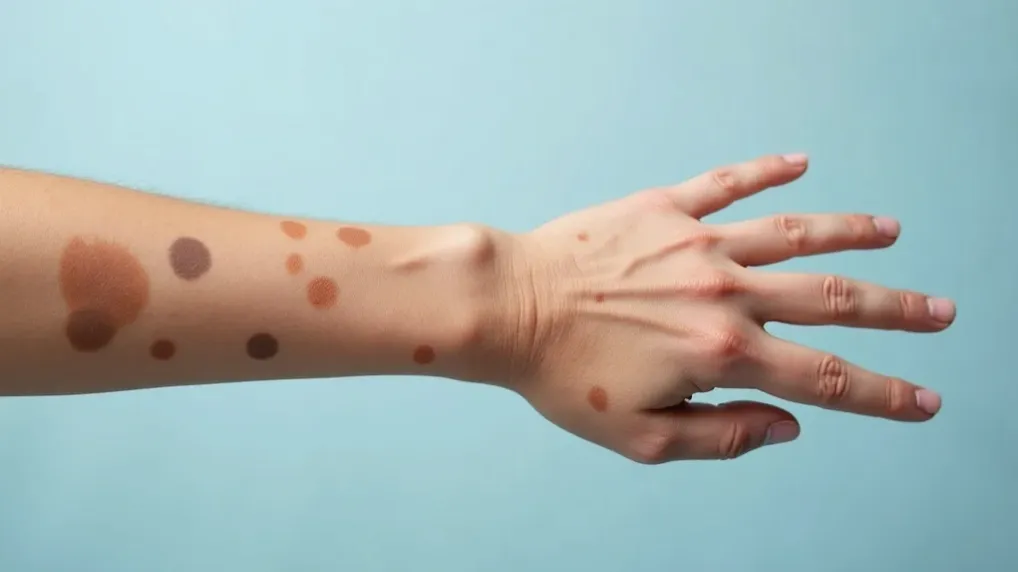
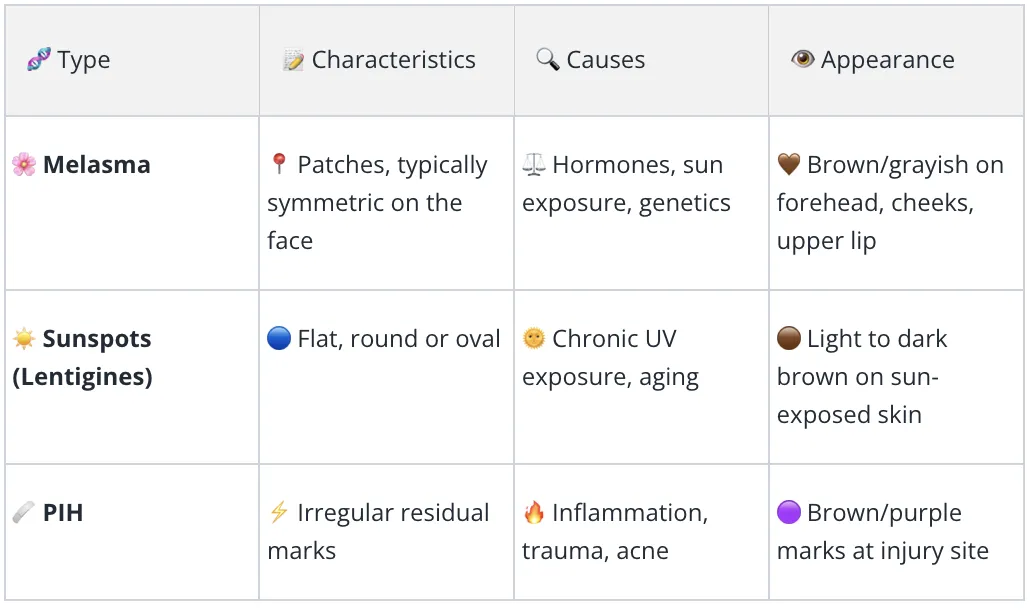
Melasma: Patterns and triggers — Recognized by symmetrical dark patches on the face, melasma is often triggered by hormonal changes, sun exposure, and sometimes oral contraceptives or pregnancy. It more frequently affects women and those with medium to darker skin.
Sunspots and age spots: Also called solar lentigines, these flat, brown spots develop on sun-exposed areas like the hands, face, and shoulders, accumulating as we age due to chronic sun exposure.
Post-inflammatory hyperpigmentation (PIH): Appearing as discolored marks following skin injury or inflammation (like acne, eczema, or cuts), PIH occurs more commonly in those with darker skin types.
Comparison: Pigmented lesions vs other types: True pigmented lesions are caused by melanin, whereas red or purple spots may result from vascular changes or bruising, not pigment overload.
How Do Pigmentation Treatments Work? Focus on Laser Treatments and More
Mechanisms: Melanin reduction, skin turnover, collagen remodeling — Treatments for pigmented lesions work by targeting melanin or the pigment source. Topical agents may inhibit melanin synthesis or accelerate skin cell turnover. Laser therapy uses specific wavelengths of light to break down pigment, enabling the body to clear it naturally. Some treatments, like fractional lasers, also remodel collagen for overall skin health.
Prevention of new pigmentation formation: In addition to removing existing areas, many treatments prevent further pigment from forming by reducing inflammation, controlling hormones, or minimizing sun damage. Consistent UV protection is essential throughout all therapies for best results.
Treatment Options for Pigmentation: Pigmentation & Laser Articles
Topical Treatments for Pigmented Lesions and Hyperpigmentation
Retinoids, vitamin C, hydroquinone, and pigment-regulating agents: These medications and cosmeceuticals may include retinoids (vitamin A derivatives), antioxidants like vitamin C, hydroquinone (a prescription-only lightener in some countries), azelaic acid, niacinamide, or kojic acid. They act by blocking melanin production, promoting even skin tone, and lightening stubborn marks.
Benefits and candidate considerations: Topicals are affordable, well-tolerated options for mild to moderate pigment changes. They are often recommended as safe and effective first-line therapy, especially for initial management or for patients hesitant about procedures. Consistency is key, as results appear gradually over weeks to months.
Chemical Peels for Pigmentation
How chemical peels target dermal pigmentation: Peels use controlled application of acids (like glycolic, salicylic, or trichloroacetic acid) to exfoliate the top layers of skin. This process removes superficial pigmentation and stimulates renewal.
Mechanism of action and patient suitability: Light to medium peels are effective for sunspots and mild melasma, while deeper peels target tougher or older pigment. Proper skin assessment is essential, as deeper peels increase risk for those with darker skin tones and some pigment disorders.
Laser Treatments for Pigmented Lesions and Hyperpigmentation
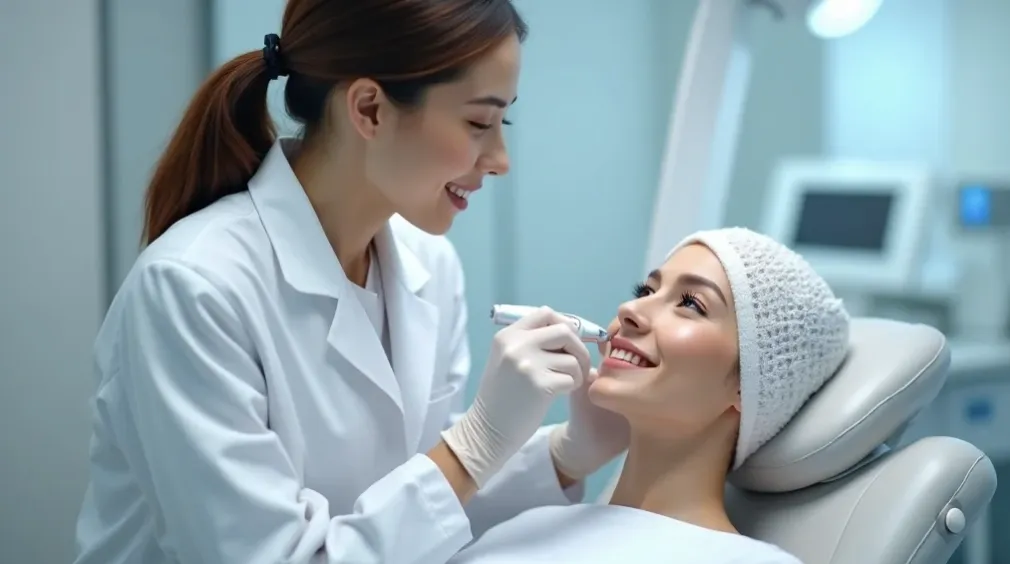
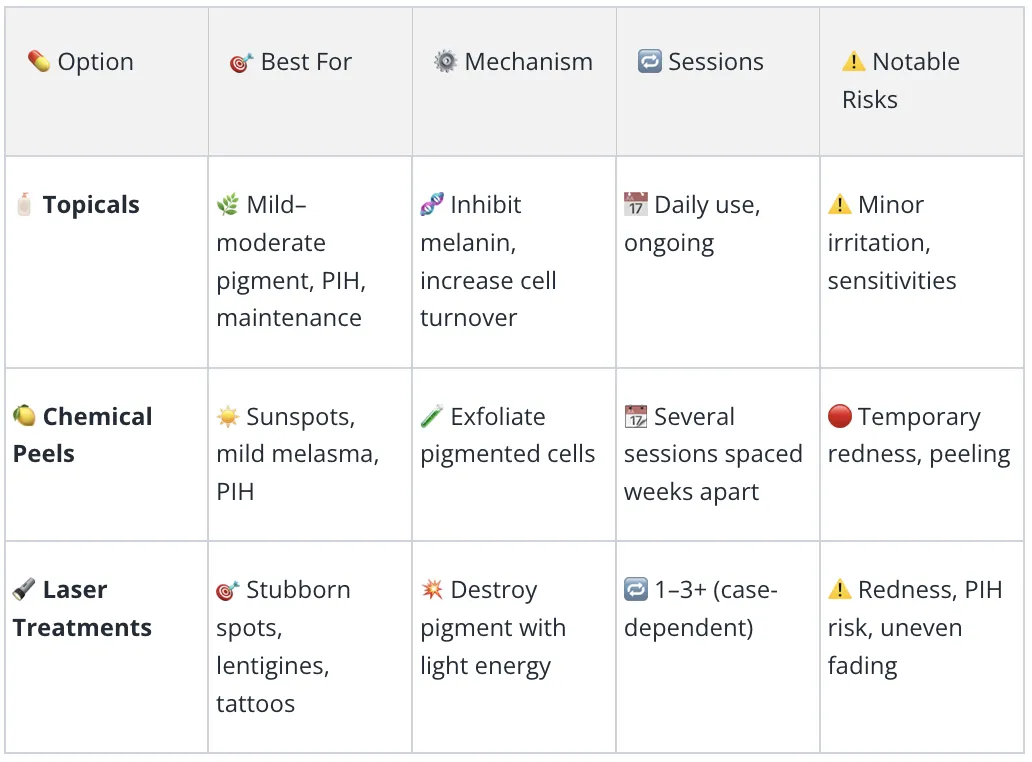
Types of laser ther, laser system selection, and treatment goals: Devices include Q-switched lasers (nanosecond and picosecond protocols), fractional lasers, and intense pulsed light (IPL) systems. Each laser system is selected based on pigment depth, color, and patient skin type, aiming for precision and minimized risk.
Strengths and limitations of laser therapy: Lasers deliver rapid results for isolated or stubborn spots but may carry risk of irritation, especially in darker skin or melasma. Success depends on a professional’s experience and correct patient selection. Some cases require a series of sessions and ongoing topical support.
"Laser treatment may offer quicker visible results for certain types of pigmentation, but not all cases respond in the same way. A professional assessment is crucial." – Board-Certified Dermatologist
Can Laser Remove Dark Spots? Pigmentation & Laser Articles Key Takeaways
Who benefits most from laser treatment: Best suited for isolated sunspots, freckles, or tattoos. People without active inflammation, recent sunburn, or melasma generally respond most predictably.
Expected outcomes and session numbers: Improvement is often seen after 1–3 laser treatments, sometimes more for stubborn pigmentation. Full clearing may require combined therapies and maintenance.
Limitations and risk factors for laser ther: Lasers are less effective for diffuse, hormonally driven pigment (like melasma), and may not be safe for very dark skin. Risks include temporary redness, irritation, or rare post-inflammatory pigmentation.
Laser Treatments for Hyperpigmentation
Best for isolated, non-hormonal pigmented lesions
Multiple sessions may be needed
Professional consultation ensures proper device and settings for your skin type
What Is the Best Treatment for Hyperpigmentation? A Patient-Centered Guide
Customizing treatment for underlying cause: No single therapy fits everyone. The best approach matches therapy to the pigment’s depth, cause, and your skin type. Combining topical agents, peels, and laser ther often results in greater efficacy and safety.
Skin type and Fitzpatrick scale influences on laser treatment selection: The Fitzpatrick phototype scale helps determine which laser system or peel is safest for you — those with darker skin or mixed ethnic backgrounds require careful planning due to higher PIH risk.
Combining therapies for optimal results: Many clinics recommend a combined approach for comprehensive treatment and relapse prevention.
Importance of clinical consultation for pigmentation & laser articles: A board-certified dermatologist or specialist can design a tailored plan, minimizing risks and maximizing the chance of lasting, even results.
What Happens During a Pigmentation Treatment?

Step 1: Consultation and skin assessment — Your visit begins with a detailed assessment, including your skin tone, pigment pattern, phototype, and medical history to rule out contraindications. This ensures the safest and most effective treatment options are selected for your unique needs.
Step 2: Diagnosis and treatment planning — The specialist will diagnose the pigment type and suggest a plan, which may combine topicals, peels, or devices like lasers. You’ll be informed about the benefits and potential risks before proceeding.
Step 3: Procedure (topicals, peels, or laser system) — During treatment, your skin will be cleaned and, if necessary, numbed. Topicals are applied, peels are brushed on, or lasers are used to pulse away unwanted pigment. Safety goggles and cooling devices may be used for comfort and protection.
Step 4: Post-procedure review and aftercare — You’ll receive instructions for sun protection, gentle skincare, and signs to watch for. Follow-up visits are scheduled to monitor healing and results.
Role of a multidisciplinary med spa team: Experienced clinicians, nurses, and dermatologists work together to optimize safety and outcomes at every step.
How Long Does Pigmentation Treatment Take? Laser Treatments and Topicals Explained
Average session duration for each method: Most topical or peel sessions take 20–45 minutes; laser treatments for single pigmented lesions can often be completed in 15–30 minutes.
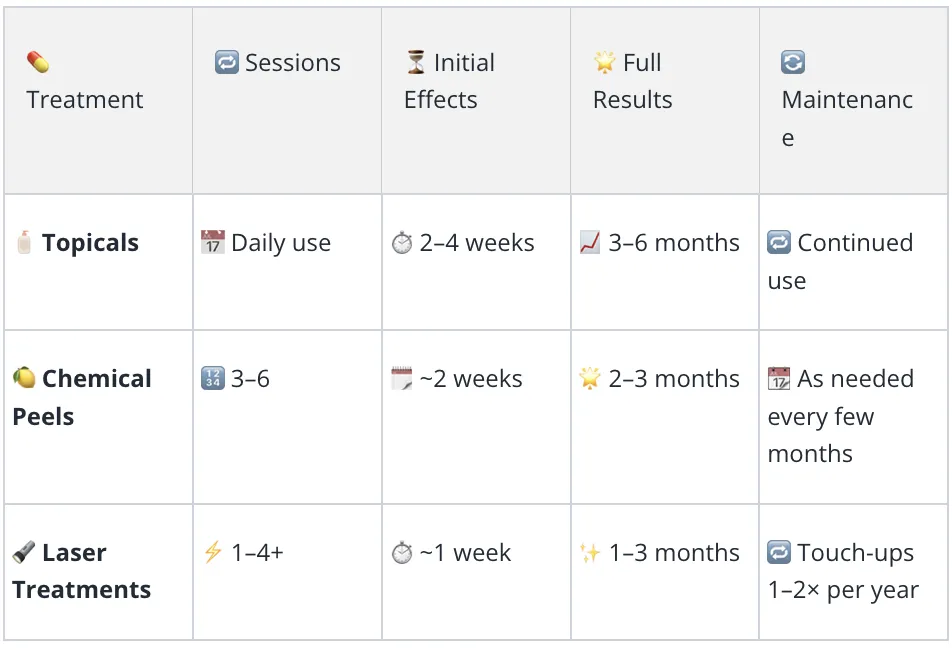
Treatment course timelines and typical schedules: Topical regimens are used daily for several weeks or longer. Chemical peels are done every 2–4 weeks in a series, while lasers may require 1–4 spaced sessions, depending on the condition and type of laser system used.
Importance of consistency and follow-up: Commitment to your provider’s plan leads to gradual, steady improvement and long-term results. Missed sessions or inconsistent aftercare may reduce efficacy and risk side effects.
Results Timeline: What to Expect After Pigmentation Treatment
Early improvement signals (1–2 weeks): Some fading and smoother skin texture may be visible shortly after initial treatment, but color changes are often subtle at first.
Gradual, progressive visible change (over several months): Full results develop gradually as deeper pigment lifts or sheds. Ongoing maintenance may be required for pigment-prone skin types.
Long-term expectations and maintenance needs: Recurrence is common without consistent sun protection and may require touch-up therapies. Realistic expectations, patience, and a proactive maintenance routine are crucial.
Managing expectations: pigmentation & laser articles insights — Understand that each case is unique. Improvements are predictable but take time, and maintenance is ongoing for most pigment-prone individuals.
Recovery and Aftercare: Safe Practices Post Pigmentation & Laser Treatments
Essential sun protection habits: Immediate and rigorous sun avoidance is crucial. Always apply broad-spectrum SPF 30+ sunscreen, wear hats, and seek shade to protect treated skin, which is temporarily more vulnerable to UV damage.

Skincare routines to support healing: Use non-irritating cleansers, moisturizers, and avoid harsh or fragranced products. Your provider may recommend post-procedure balms or barrier creams.
Handling irritation and avoiding triggers: Do not pick, scratch, or use exfoliating tools on treated areas. Watch for signs of infection or severe irritation, and communicate promptly with your clinic if questions arise.
Activity and product restrictions after treatments: Avoid saunas, hot tubs, vigorous exercise, or makeup for 24–48 hours post-procedure. Postpone waxing or other cosmetic procedures until cleared by your provider.
Aftercare Checklist for Pigmented Lesion Procedures
Daily sunscreen (SPF 30+)
Gentle cleansing and moisturizing
Avoid scratching, picking, or exfoliation
Protect from direct sunlight and heat sources
Follow scheduled post-procedure visits
Preventing Pigmentation from Returning: Practical Strategies
Daily SPF and physical sun barriers: Use sunscreen every morning, regardless of weather. Pair with wide-brimmed hats and sunglasses.
Topical antioxidants and supporting actives: Ingredients like vitamin C and niacinamide protect against free radical damage and help maintain even tone.
Ongoing maintenance with laser treatments or topicals: For chronic or relapsing pigmentation, consider regular clinic follow-up and continuation of your provider’s topical regimen.
Guidelines for breakout, irritation, and other triggers: Promptly treat skin conditions and avoid harsh treatments that may restimulate unwanted pigment production.
Maintaining Results After Laser Therapy
Sun protection is non-negotiable.
Stick with your prescribed skincare routine.
Schedule maintenance sessions as advised by your provider.
Risks and Side Effects: What Patients Should Know About Pigmentation & Laser Articles
Temporary redness, swelling, and discomfort: Most treatments involve mild, short-lived redness or swelling, similar to a mild sunburn. These side effects usually resolve within a few hours to days.

Risk of post-inflammatory hyperpigmentation: Especially in darker skin types or with aggressive protocols, new or worsening pigment changes may develop. Careful patient selection minimizes this risk.
Potential for uneven results or recurrence: Rarely, pigment may clear unevenly, return over time, or be resistant to therapy. Regular check-ins allow adjustment of treatment strategy as needed.
Ensuring safe, individualized treatment with a board-certified provider: Customized planning and procedural expertise are essential for minimizing adverse outcomes and maximizing satisfaction.
Review of contraindications for laser system use: Some conditions (active infection, pregnancy, certain medications) or skin types may require postponement or alternative therapies instead of lasers or peels.
"Proper pre- and post-care is essential to minimize risk and maximize results with laser treatment for pigmentation." – Skin Specialist, Med Spa
Who Is a Good Candidate for Pigmentation Treatments?
Hyperpigmentation sufferers seeking correction: Those bothered by sunspots, age spots, melasma, or PIH who are in good general health and adhere to aftercare make ideal candidates.
Patients with melasma or age spots: Both men and women experiencing cosmetic pigment changes can benefit, although some treatments may be better suited for one condition over another.
Considering skin phototype and sensitivity: Fitzpatrick skin type, history of scarring, and pigment disorders are important in planning safe and effective interventions.
Contraindications and limitations for pigment and laser therapy: Active skin infections, recent sunburn, pregnancy, or certain systemic conditions may preclude some options. Your provider will review all relevant precautions before proceeding.
Frequently Asked Questions About Pigmentation & Laser Treatments
What is the fastest way to remove pigmentation?
The fastest way to remove pigmentation is often through professional laser treatments or chemical peels, which can visibly lighten dark spots in a few sessions. However, effectiveness and safety depend on skin type, pigment depth, and a doctor’s recommendation.Does pigmentation come back after treatment?
Pigmentation can return if underlying triggers like UV exposure, hormones, or inflammation persist. Maintenance with daily sun protection and consistent skincare reduces the risk of recurrence after treatment.Can melasma be cured permanently?
Melasma is a chronic condition with periods of improvement and relapse. While treatments can reduce dark patches, ongoing maintenance and sun avoidance are essential, as permanent “cure” is rare.Is laser treatment good for pigmentation?
Laser treatment is effective for certain types of pigmentation, like age spots and freckles, when performed by a skilled provider. It’s less effective for diffuse, hormonal pigmentation like melasma and requires careful patient selection.What skincare ingredients help pigmentation?
Ingredients such as retinoids, vitamin C, hydroquinone, azelaic acid, kojic acid, and niacinamide are proven to lighten pigmentation and even skin tone when used consistently and as directed.How many sessions are needed for pigmentation removal?
The number of sessions depends on pigmentation type and treatment modality: typically 3–6 sessions for peels or 1–4 for laser treatments. Maintenance may be needed if pigment is recurrent or persistent.Can sun exposure worsen pigmentation?
Yes, UV exposure is a leading cause of pigmentation and can quickly worsen or cause recurrence after treatment. Daily sunscreen and sun barriers are crucial for prevention and maintenance.What is the best treatment for dark spots on face?
The best treatment depends on the cause and your skin type. Options include topicals, chemical peels, or laser treatments; a dermatologist should tailor the approach for optimal safety and results.Are pigmentation treatments painful?
Most pigmentation treatments cause minimal discomfort. Numbing creams are used as needed, and procedures like laser therapy may feel like a rubber band snap or mild warmth.Can chemical peels remove pigmentation?
Yes, chemical peels can improve superficial pigmentation by exfoliating top skin layers. Deeper discoloration may require stronger peels or combined treatments for best results.What is pigmentation and how does it form?
Pigmentation refers to the coloring of skin, due to melanin production by melanocytes. Excess pigmentation develops from sun exposure, inflammation, hormones, or genetics.What are the most common causes of pigmentation?
Common causes include sun damage, hormonal fluctuations, skin injuries, inflammation (such as acne), aging, and certain medications.What treatments are available for pigmentation removal?
Options include topical agents, chemical peels, laser and light therapies, and sun protection strategies. A dermatologist recommends the most suitable approach.How long does pigmentation treatment take?
Pigmentation treatments may take a few weeks to several months for visible results, depending on the type and depth of pigment and the chosen therapy.Is anesthesia needed for pigmentation treatments?
Most pigmentation treatments require little or no anesthesia. For deeper laser therapy or peels, a numbing cream may be applied for comfort.What is the recovery time after treatment?
Recovery varies by treatment type. Topicals require no downtime; peels may cause mild flaking for a few days, and lasers may result in redness or mild swelling for 24–72 hours.When will I see results from pigmentation treatment?
Improvements are noticeable within 2–4 weeks for most protocols. Full results often take 2 to 3 months or longer, depending on pigment depth and consistency with aftercare.How many sessions are required for best results?
Most patients need 2–6 sessions for optimal fading of pigmentation, depending on the method and severity of discoloration.Are there side effects of pigmentation treatments?
Most side effects are minor and temporary, such as redness, mild swelling, or peeling. Rarely, new pigmentation or pigmentation loss may occur, particularly in sensitive skin.Who should avoid certain pigmentation procedures?
People with active skin infections, recent sunburn, pregnancy, or certain health conditions may not be suitable for lasers or strong peels. Always consult a dermatologist before starting treatment.
Contact Us to Find the Best Med Spa Services for Your Skin Care Goals
Ready to take control of your skin health? Contact us today to book a personalized consultation with our experienced dermatology team. We’re here to guide you through every step of your pigmentation treatment journey.
S. Raj, M.D. / Bestmedspaus.com
Director, Search Intelligence University/IABLEd
International Association for Business Leaders’ Education
Sources

The IABLEd
Beauty Intelligence University
The Definitive Curriculum for Search MarketVibrance and Beauty
Invenire. Imperare. Excludere.
Be Found. Command. Exclude.
Command Your Body. Control the Effects.
Want Your World to Discover You,
the Easy Way?
Experience wellness while exploring opportunities.
We provide the necessary architecture to transform your body into a vibrant, work of art and global influence. Ask us how.
Copyright 2026. Best Med Spa US. All Rights Reserved.

* * * * *
COMPANY
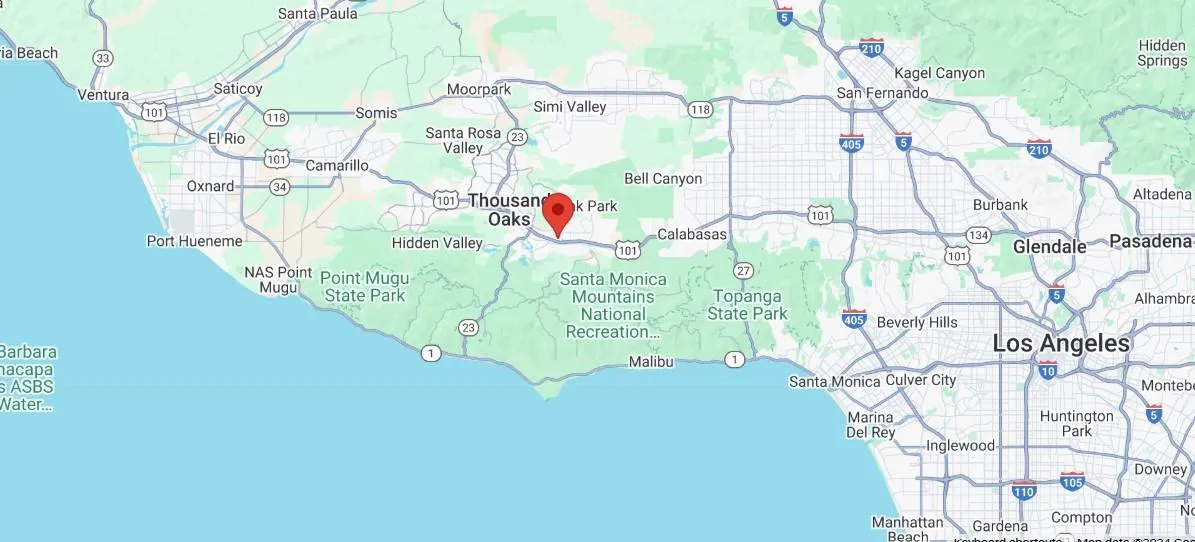
30721 Russell Ranch Rd Suite 140, Westlake Village, CA 91362
CUSTOMER CARE
Get In Touch
Mon – Thurs
10:00am – 4:00pm
Fridays by Appointment
Saturday, Golf
Sunday –hurch
LEGAL
Stay informed about how new technology can make or break a brand.
FOLLOW US


Invenire. Imperare. Excludere.
Be Found. Command. Exclude.
© 2026 IABLEd Search Box Intelligence Academy | All Rights Reserved.
1. SBO Foundations 2: Practical SBO Implementation 3: Deeper Strategy & Behavior
4: Advanced Tactics & Data 5: Expert / Future-Facing 6 Bonus Academy Series