
Explore The Benefits Of PRP Therapy For Healthier Skin, Improved Hair Growth, And Natural-Looking Rejuvenation With Minimal Downtime
Author; S.Raj, M.D, Updated: 6/26/2026 Reading Time: 5 Minutesmin
PRP & Regenerative Aesthetics Articles
Imagine stepping into a modern clinic not for surgery, harsh chemicals, or drastic measures, but to harness the natural healing powers already inside your own body. In recent years, more adults are seeking gentle, science-driven treatments for skin and hair—opting for regenerative medicine and PRP & regenerative aesthetics articles as the trusted resource for evidence-based, minimally invasive solutions. This comprehensive guide explores how PRP therapy can help you reclaim refreshed skin and encourage healthy hair growth, all without artificial fillers or lengthy recovery.
What You'll Learn from This Guide to PRP & Regenerative Aesthetics Articles
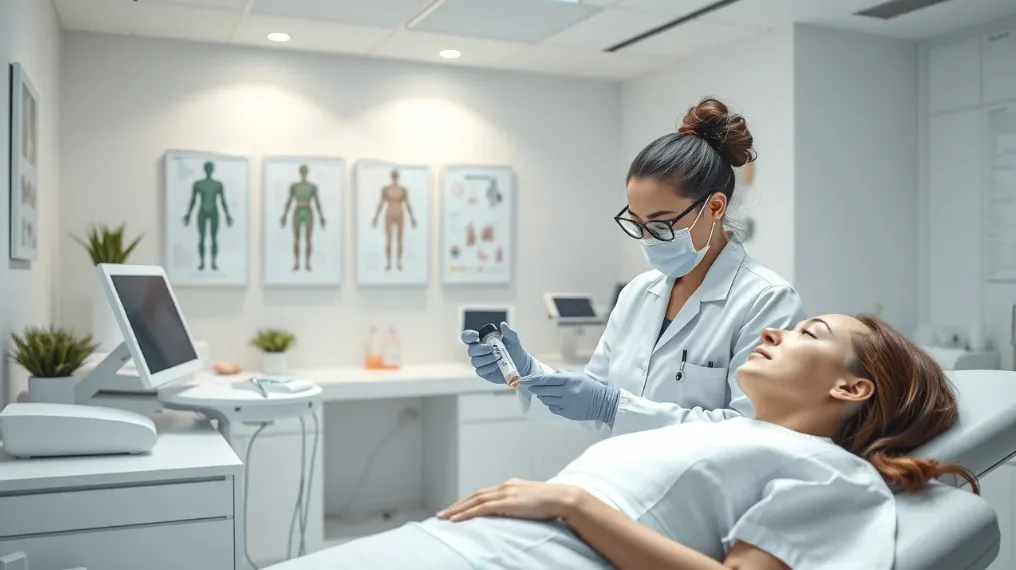
The fundamentals of PRP therapy in esthetic and aesthetic medicine
How regenerative aesthetics can optimize skin and hair health
Detailed PRP treatment processes for skin rejuvenation and hair restoration
Real-world expectations, benefits, and side effects of PRP therapy
How PRP compares to other popular aesthetic procedures
Rising Interest in Regenerative Medicine and PRP & Regenerative Aesthetics Articles
Why Patients Seek Natural Solutions in Esthetic Medicine
A growing number of patients are turning away from synthetic fillers and surgical interventions in favor of more natural, body-driven solutions. This shift toward regenerative medicine reflects a desire for treatments that not only provide subtle, authentic results but also address the root cause of aesthetic concerns—our body's own aging and repair processes. In esthetic medicine, regenerative approaches like PRP therapy have sparked tremendous interest because they encourage the body to heal, restore, and rejuvenate itself. As PRP & regenerative aesthetics articles highlight, this trend fits a larger movement in wellness: combining science with holistic, minimally invasive care.
For those interested in the practical aspects of finding reputable providers and understanding what to expect during a med spa visit, you can explore a detailed overview of med spa services and how to choose the right clinic at this comprehensive med spa directory. This resource can help you make informed decisions as you consider PRP and other regenerative treatments.

Patient Experiences: PRP for Minimally Invasive, Natural-Looking Results
Patients often share that what draws them to PRP therapy is its promise of natural, gradual enhancement—without looking “overdone. ” For those wary of plastic surgery or heavy cosmetic work, PRP is a minimally invasive path to refreshed skin and healthier hair. Testimonials in prp & regenerative aesthetics articles frequently mention boosted self-confidence, quick recovery, and a sense of empowerment—knowing you’re using your own biology to improve texture, tone, and fullness. This gentle yet effective approach makes PRP particularly appealing for busy adults who want real results with minimal disruption.
“Many clients are now seeking treatments that promote their body’s own healing, making regenerative aesthetic procedures like PRP more popular than ever.”
What Is PRP Therapy? Foundations of PRP & Regenerative Aesthetics Articles
Platelet-Rich Plasma in Aesthetic Medicine
Platelet-rich plasma (PRP) therapy is a cutting-edge process in aesthetic medicine and regenerative medicine. It uses a small sample of your own blood, spinning it in a centrifuge to separate out platelets concentrated in plasma. These platelets are rich in growth factors—natural biological signals that trigger tissue repair, collagen production, and healing. When injected or applied to the skin or scalp, PRP can accelerate wound healing, encourage collagen synthesis, and even stimulate dormant hair follicles. The goal is to revitalize your appearance by jumpstarting the body’s natural tissue regeneration processes.
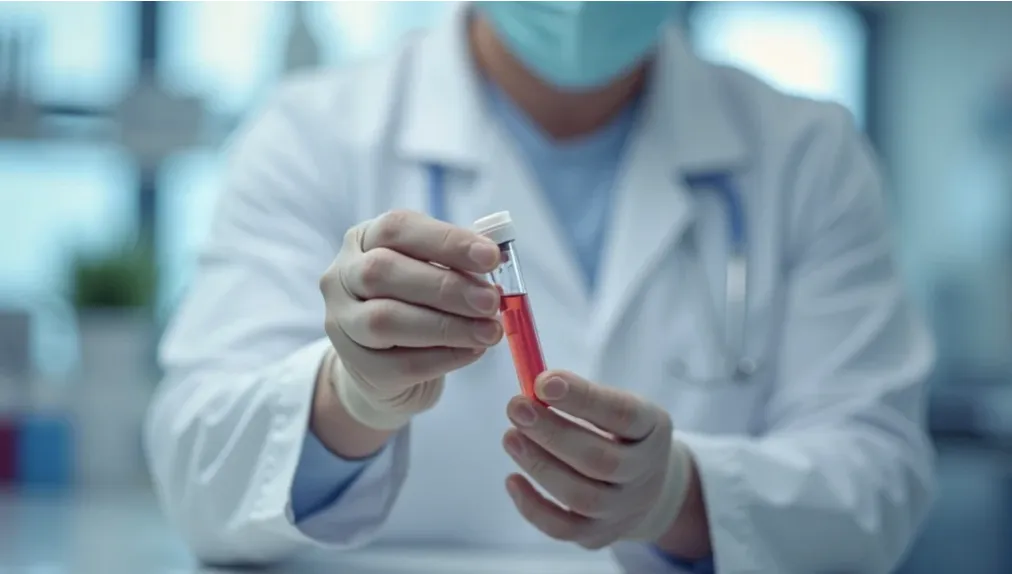
Role of Growth Factors in Regenerative Medicine
Growth factors play a central role in the effectiveness of PRP therapy. Released by activated platelets, these signaling proteins prompt cell turnover and tissue remodeling. In the skin, they encourage fibroblasts to create new collagen and elastin, smoothing signs of aging and restoring elasticity. For the scalp, growth factors can nurture hair roots—boosting hair density and reviving follicles slowed by hormonal shifts or age.
While other regenerative options, like stem cell or stem cells derived therapies, are being investigated, PRP’s safety—thanks to its use of your own blood—makes it a standout treatment option in the realm of regenerative aesthetics.
Why PRP Is a Key in Regenerative Aesthetics
Autologous (your own blood)
Concentrated healing potential
Natural approach for skin and hair issues
“Think of PRP as harnessing your body’s internal repair kit to refresh your appearance and confidence.”
PRP & Regenerative Aesthetics Articles Central Concepts
PRP therapy is a safe, science-based method in regenerative medicine that revitalizes skin and hair by concentrating and delivering your own natural growth factors directly where they’re needed. It’s about working with your biology, not against it—for natural-looking results and improved confidence.
How Does PRP Therapy Work? Step-by-Step in Regenerative Medicine
The safety of Botox injections is well established, especially when used strictly within their FDA-approved indications.
Since the late 1980s, Botox has undergone rigorous evaluation in hundreds of peer-reviewed clinical studies and real-world medical practice. Today, the FDA recognizes botulinum toxin injection as a safe and effective option for temporary reduction of moderate-to-severe glabellar lines (frown lines between the brows), lateral canthal lines (crow’s feet), forehead lines, chronic migraine prevention, excessive sweating in the underarms, eyelid twitching (blepharospasm), cervical dystonia (abnormal neck muscle contraction), and overactive bladder symptoms. Trained healthcare providers follow precise dosage and injection procedures designed specifically for these uses.
Like any medical or cosmetic procedure, safety depends on provider experience, careful patient selection, and adhering strictly to medical guidelines. The risk of side effects, including unwanted muscle weakness or spread of effect beyond the intended area, can be minimized by ensuring only qualified medical professionals perform your treatment.
How Do Botox Injections Work?
Blood Collection and Centrifugation in PRP Treatment
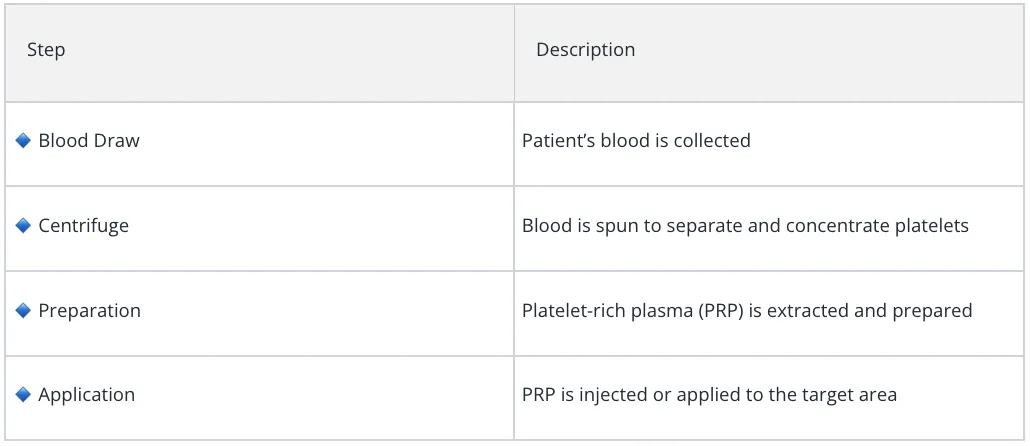
The first step of a prp treatment is as straightforward as a routine blood test. A small amount of blood is drawn, usually from your arm, in a sterile clinical setting. This sample contains red blood cells, white blood cells, platelets, and plasma. The critical next phase is centrifugation: spinning the blood at high speeds to separate and concentrate the platelets.
High levels of platelet concentration mean more growth factors per drop, which translates to enhanced tissue repair and regeneration at the treatment site. This science-backed method roots prp therapy in both the worlds of esthetic medicine and regenerative research, ensuring safety and efficacy.
Concentrating Platelets for Regenerative Aesthetic Benefit
Once centrifuged, the blood components settle into layers, with the golden plasma—dense with growth factors—collected for use. The technician carefully aspirates the platelet-rich portion, leaving behind red and white blood cells. This concentrated PRP is highly potent, giving it the power to stimulate collagen production, tissue regeneration, and hair growth far beyond what normal plasma could achieve.
PRP’s edge lies in this autologous yet enhanced cocktail, perfect for addressing skin issues (like acne scars or skin texture concerns) and for boosting hair density in hair restoration. Those seeking a natural and minimally invasive aesthetic procedure often report positive experience due to this personalized approach.
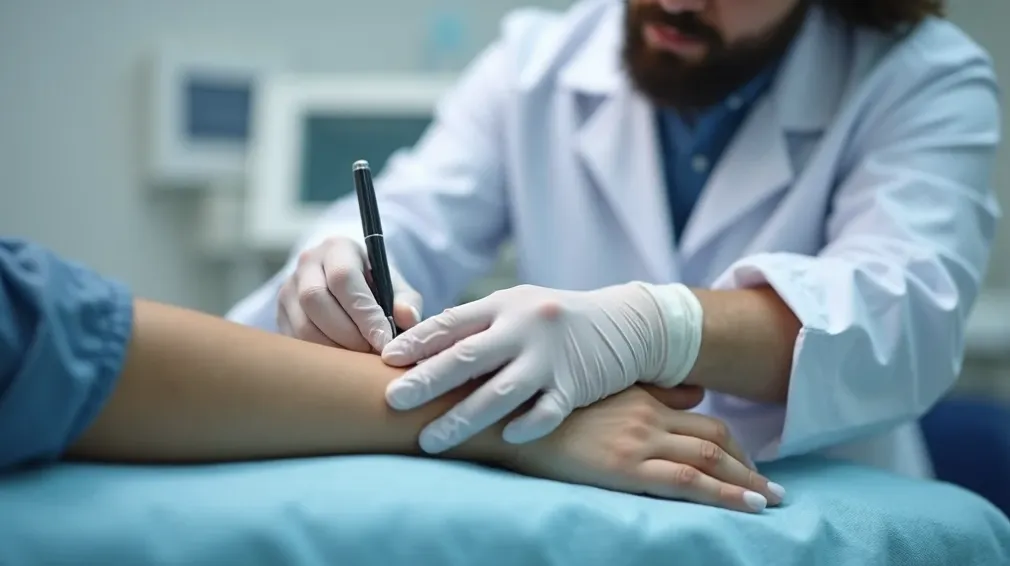
Application and Injection for Skin and Hair Rejuvenation
The freshly prepared PRP is then applied or injected precisely into targeted areas. For facial skin rejuvenation, micropen or microneedle devices may create micro-channels for maximum absorption. For scalp treatments, PRP is injected directly near the follicles to revive dormant roots. Each method is tailored to the treatment goal—be it smoother, firmer skin or healthier, denser hair.
This minimally invasive application process is designed for optimal comfort and minimal downtime, making PRP a sought-after aesthetic procedure in both aesthetic medicine and esthetic medicine clinics. Most patients return to typical activities soon after, enjoying progressive, natural-looking improvements.
What Is PRP Used For? Treatment Applications in Skin and Hair
Skin Rejuvenation: Fine Lines, Texture, Acne Scars, & Facial Rejuvenation
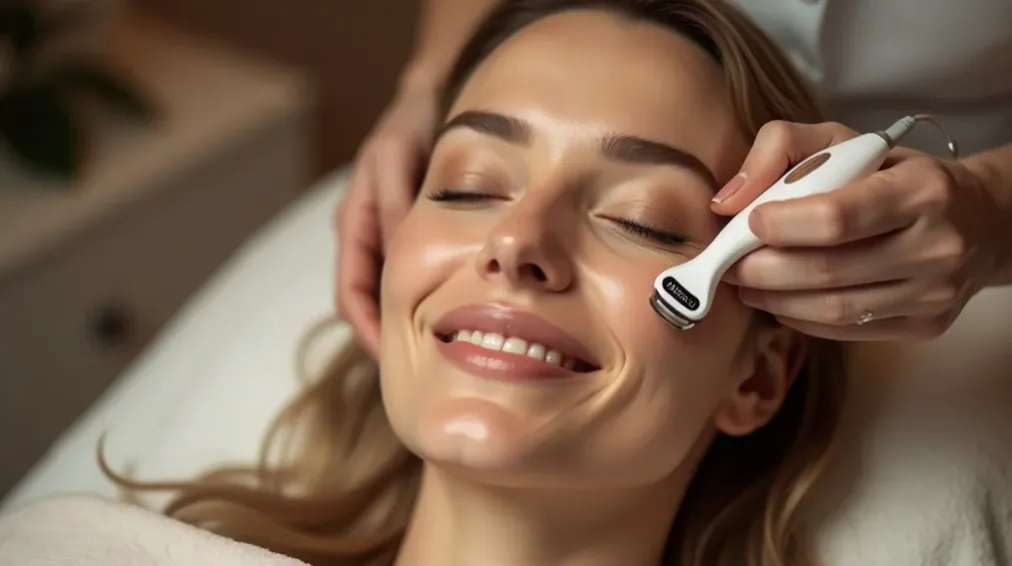
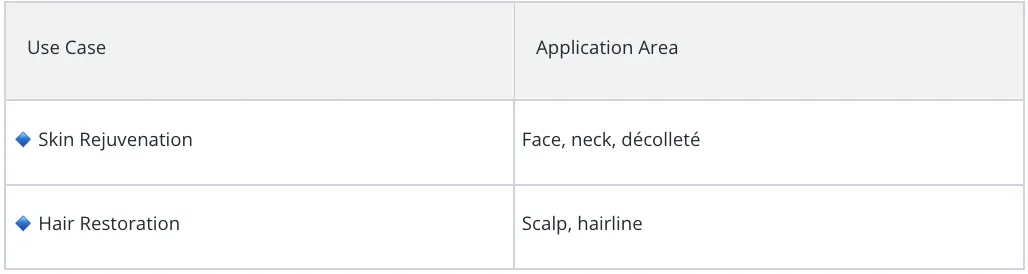
Many seek PRP as a non-surgical alternative for facial rejuvenation, targeting fine lines, uneven skin texture, sun damage, enlarged pores, and even stubborn acne scars. By delivering growth factors directly into the dermis, PRP stimulates collagen and elastin, smoothing wrinkles and brightening dull or tired skin. The gentle process is ideal for the face, neck, and décolleté—areas that commonly show early signs of aging.
In aesthetic medicine, PRP’s ability to remodel tissue makes it a favorite for patients wanting to enhance radiance and elasticity without the stiffness or heaviness of synthetic fillers. Over a series of treatments, many notice a healthy, “reset” glow—an effect loved by those drawn to regenerative aesthetics.
Hair Restoration: Early Thinning & Pattern Hair Loss
PRP is also making headlines as a promising strategy for hair restoration, especially for addressing early thinning and hereditary (pattern) hair loss in both men and women. Injected PRP infuses the scalp with signaling molecules, nourishing the follicle roots and potentially prolonging the growth cycle. This approach is prized because it skips synthetic drugs or surgery—relying instead on supercharged healing factors drawn from your own blood.
Leading prp & regenerative aesthetics articles underscore PRP’s role as a gentle yet effective way to support natural hair growth, slow shedding, and improve hair density. Early intervention yields the best results, particularly for patients not ready or eligible for more invasive solutions.
Versatile Uses of PRP & Regenerative Aesthetics Articles
Whether you’re looking to brighten your complexion, erase small scars, or address early hair loss, PRP therapy is a versatile, autologous option. Its applications span a wide range of concerns, with the unique advantage of using your body’s own restorative powers for safe, effective, and natural-looking results.
PRP for Hair Growth: Regenerative Aesthetics for Thinning Hair
How PRP Supports Hair Follicles in Regenerative Medicine
PRP therapy delivers a concentrated dose of growth factors directly around the scalp’s hair follicles, acting like a wake-up signal for dormant cells. These growth factors help rejuvenate the blood supply, support new cell growth, and may improve the thickness and resilience of existing hair strands. For those with early hair thinning—before significant follicle damage—PRP can slow or stabilize shedding while promoting healthier hair growth over time.
Leading experts agree that early intervention is key. The best outcomes are reported by patients who act at the first signs of thinning, rather than late-stage hair loss when follicles are already significantly weakened. PRP is often recommended as part of a comprehensive regenerative aesthetic plan that may also include microneedling, lifestyle modifications, or gentle topical therapies.

Who Is the Best Candidate for PRP Hair Restoration?
Ideal candidates for PRP hair restoration are healthy adults experiencing mild to moderate hair thinning. The approach works best for individuals whose follicles are still present—though less active—rather than those with complete baldness. Men and women with recent or hereditary thinning, particularly under age 60, are often most likely to see visible improvements in density and texture. Those who value a minimally invasive and natural approach will appreciate PRP’s gentle stimulation and real-world safety profile.
If you have certain medical conditions or scalp disorders, a thorough consultation will help determine eligibility. PRP is generally not recommended for those with ongoing infections, blood disorders, or active autoimmune diseases.
What to Expect: Treatment Schedules and Maintenance
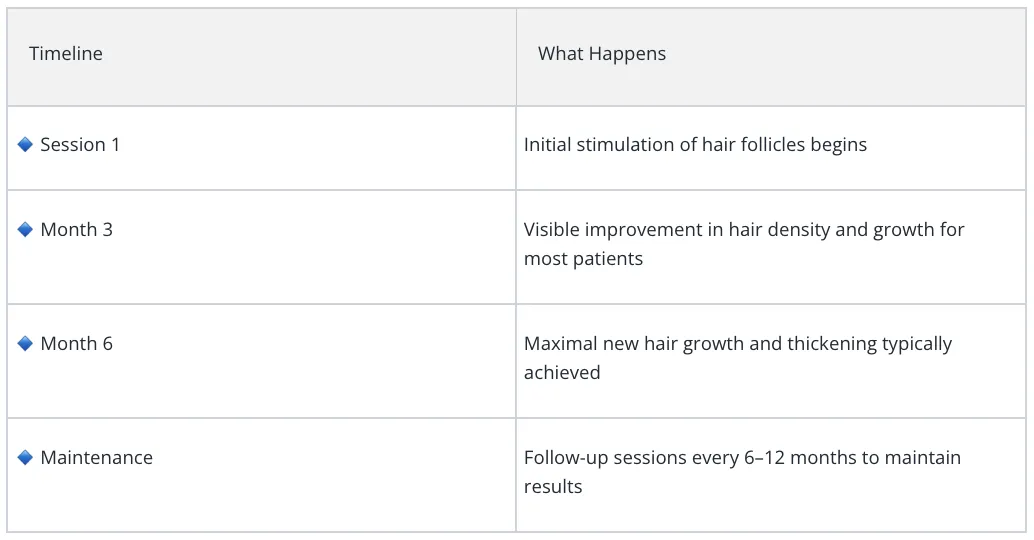
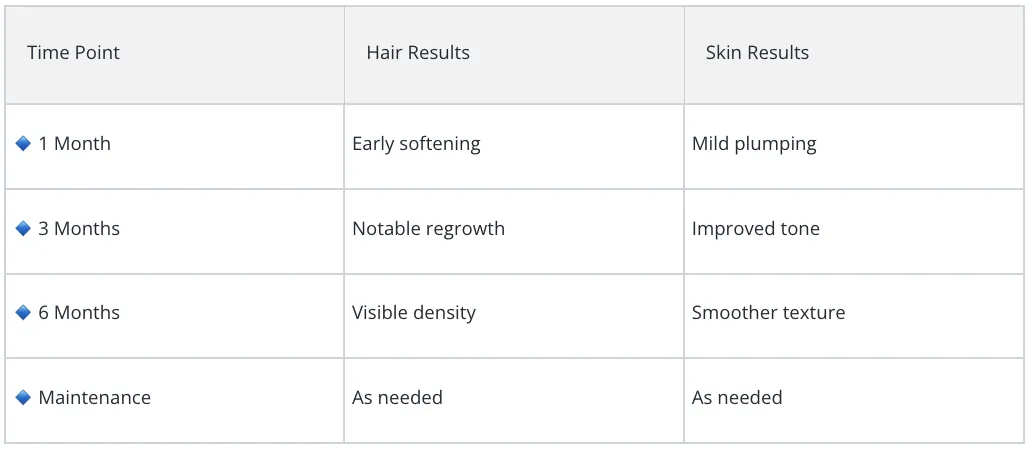
PRP therapy for hair regrowth is delivered as a series: usually 3-4 initial sessions spaced about four weeks apart, followed by maintenance treatments every 6-12 months depending on your response and goals. Improvements in shedding and thickness typically become noticeable around the third month, with peak effects around six months. Consistency and early action are key factors in maximizing results and maintaining healthy hair growth long term.
Leading prp & regenerative aesthetics articles emphasize setting realistic expectations—while dramatic regrowth is rare, most patients see significant stabilization and boost in volume when PRP is started early.
PRP for Skin Rejuvenation: Regenerative and Aesthetic Medicine Perspectives
How PRP Induces Collagen and Enhances Skin Quality
PRP therapy excels as a skin rejuvenation strategy. When applied to facial skin, the dense growth factors trigger fibroblast cells to begin producing new collagen and elastin, the building blocks of healthy, supple skin. Over time, this leads to tighter pores, improved skin texture, diminished lines, and a natural, refreshed glow. PRP also accelerates tissue remodeling in damaged or scarred areas, helping to even out pigmentation and smooth irregularities.
Because the solution is derived from your own body, the results are gradual, subtle, and very natural—without the risk of looking “frozen” or unnatural.

Combining PRP with Microneedling in Aesthetic Procedures
For even greater impact, many aesthetic procedures combine PRP with microneedling. This synergy involves creating tiny channels in the skin, which allow PRP’s healing growth factors to penetrate deeper and activate dormant skin cells. Clinical research and expert reviews in regenerative aesthetics show this combination jumpstarts new collagen formation, quickens wound healing, and intensifies overall skin rejuvenation benefits.
Patients describe more radiant skin, smoothed fine lines, and a firmer, more youthful appearance—with natural texture and plumpness restored over several months.
Typical Recovery: What to Expect After PRP Treatment
Most patients experience a mild pinkness or tenderness for up to 24-48 hours after facial PRP. Swelling and bruising are possible but short-lived, and makeup is typically avoided for the first day. For scalp treatments, mild sensitivity or small lumps may develop but resolve within a few days. It’s wise to follow post-care instructions closely to support optimal tissue regeneration and minimize the risk of side effects.
Full recovery and collagen remodeling progress over several weeks, with noticeable skin smoothing and glow emerging after the first month and continuing to improve for 3-6 months.
What Happens During PRP Treatment? A Patient's Step-by-Step Experience
Consultation with Regenerative Aesthetic Expert
Blood Collection
Centrifuge and Platelet Isolation
Application to Skin or Scalp
Aftercare Guidance
Follow-up Planning
A typical PRP session starts with a detailed consultation to discuss your goals and medical background. After a simple blood draw, the sample is spun and the PRP prepared. Your provider then applies numbing cream as needed, and carefully injects or applies PRP to the target areas. You’ll receive clear aftercare instructions and a suggested schedule for follow-up visits, ensuring a smooth, supportive experience throughout your regenerative aesthetic journey.
How Long Does PRP Therapy Take for Skin and Hair?
Typical Duration of Appointments in Regenerative Medicine
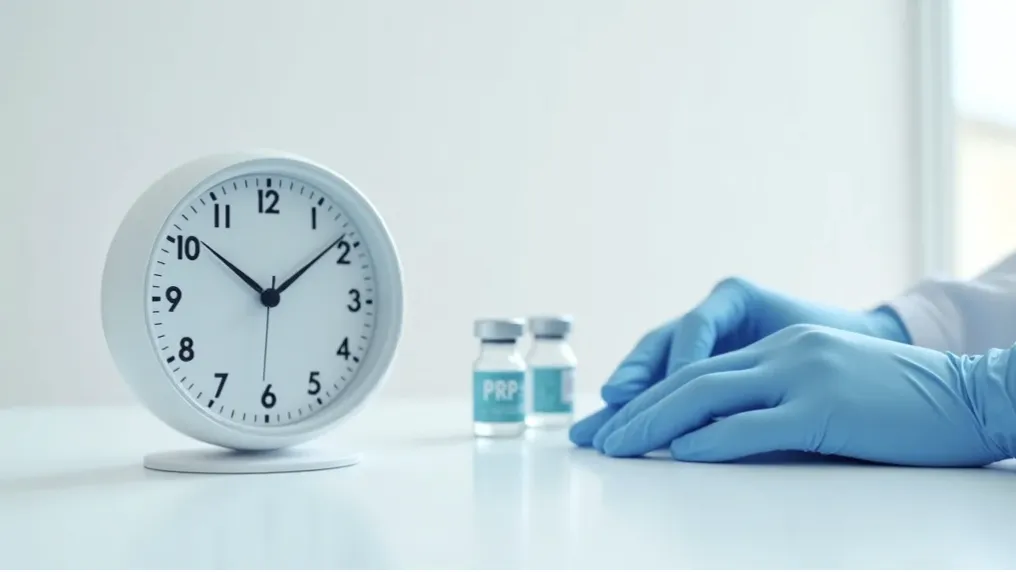
PRP therapy is an efficient in-office treatment, usually requiring 45-60 minutes from start to finish. The bulk of the time is devoted to consultation and the centrifugation process; the injection or application phase itself is relatively brief. This makes PRP an appealing option for busy adults seeking skin or hair improvements without sacrificing a whole day to the clinic.
Because it is minimally invasive, PRP therapy involves no general anesthesia or lengthy postoperative recovery, further adding to its draw as a convenient, clinic-grade aesthetic procedure.
Difference Between Hair and Facial PRP Treatments
While the overall approach to PRP is similar for both skin and hair, the procedure does differ in focus and length. Facial treatments might take slightly less time, while scalp sessions may last longer due to more extensive area coverage and injection mapping. Despite these differences, comfort and efficiency are top priorities across all regenerative aesthetic procedures.
Your provider will tailor the treatment timeline to fit your specific needs, ensuring optimal results in skin texture, hair density, or both.
Expected Number of Sessions in Regenerative Aesthetics
Most PRP protocols involve a series of 3-4 treatments for full results, spaced a few weeks apart. Maintenance sessions are then scheduled every 6-12 months to sustain progress in skin rejuvenation or hair growth. The total number can vary based on goals, initial condition, and response—so your plan will be custom-designed through expert consultation.
Is PRP Therapy Painful? What to Expect
Comfort, Numbing, and Patient Experience in Aesthetic Procedures
Concerns about pain are common, but most patients find PRP treatments quite tolerable. Clinics offer numbing creams or cooling devices to ensure your comfort before the injection or application step. The process is quick, with only mild pinching or tingling as the PRP is delivered. Because it’s minimally invasive and uses fine instruments, many equate the sensation to a light pinch or pressure—not unlike a routine beauty procedure.
Providers prioritize your comfort at each step, adjusting technique and topical anesthetics as needed for sensitive areas.
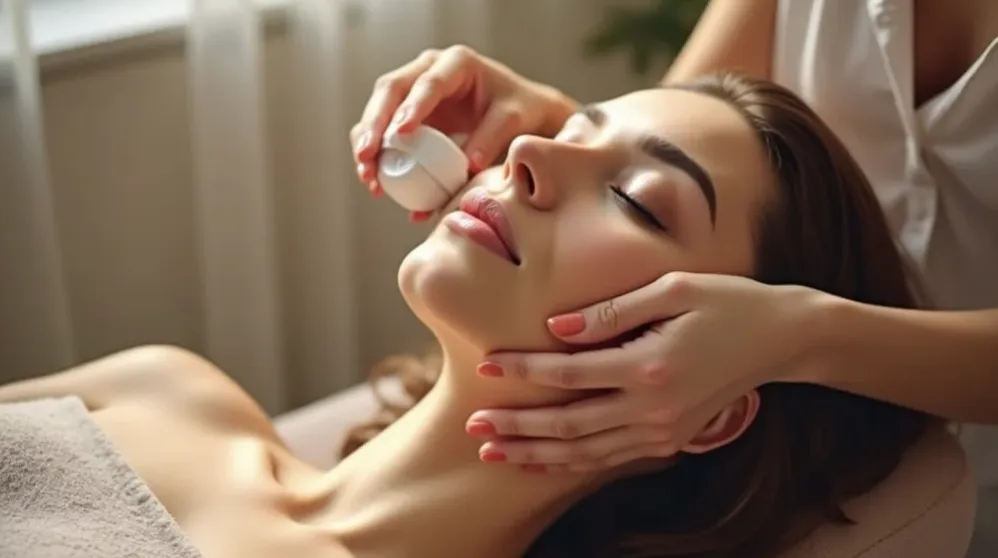
What Sensations to Expect During PRP Treatment
During injections, you might feel mild pressure or warmth. Slight swelling or tenderness can develop after the session, especially in areas with thinner skin. These sensations are expected to fade within hours or by the next day. Most return to work or daily activities right away, just avoiding strenuous exercise for the first 24 hours.
Your provider will review comfort strategies and post-care measures during your consultation, making PRP therapy as smooth and stress-free as possible.
Is PRP Therapy Safe? Safety Profile in Regenerative Medicine
Autologous Nature and Infection Risk in PRP & Regenerative Aesthetics Articles
Safety is a leading advantage of PRP—since it’s derived from your own blood (autologous), there’s almost zero risk of allergic reaction or disease transmission. The process is sterile and meticulously controlled, minimizing the chances of infection when performed by licensed healthcare professionals. PRP therapy has a strong safety profile noted throughout regenerative medicine and aesthetic medicine literature.
Rare complications might include mild swelling or minor bruising, but systemic adverse effects are almost unheard of with proper patient screening.
Role of a Qualified Provider in Aesthetic Medicine
The credentials of your provider are critical for both safety and optimal results. Only trained practitioners—such as board-certified physicians, nurse practitioners, or certified clinicians in esthetic medicine—should perform PRP therapy. These professionals use sterile technique and individualized protocols to ensure every step meets the highest standards of safety and effectiveness.
Verify your provider’s credentials before treatment and make sure you understand both benefits and realistic limitations of PRP as outlined in authoritative prp & regenerative aesthetics articles.

PRP uses your own blood
Minimal risk of allergic reaction
Ensure provider has medical credentials
Safety Insights from Regenerative Aesthetics
With autologous PRP, risks of allergies and infections are minimized. For superior outcomes and peace of mind, always choose clinics and providers with specialized training in regenerative aesthetic treatments.
PRP Results Timeline: Hair Restoration & Skin Rejuvenation
Recovery and Aftercare: Ensuring Results from PRP & Regenerative Aesthetics
Avoid vigorous exercise for 24-48 hours
Do not rub or massage treated area
Use gentle skincare after facial PRP
Stay hydrated and follow provider instructions
Checklist: Your Post-PRP Recovery Plan
Keep area clean and protected for 24 hours
Avoid harsh chemicals, hot showers, and makeup immediately after
Apply gentle cool compress if swelling occurs
Follow all aftercare advice from your provider
Attend scheduled follow-up visits
PRP vs Botox vs Dermal Fillers: Comparing Aesthetic Procedures
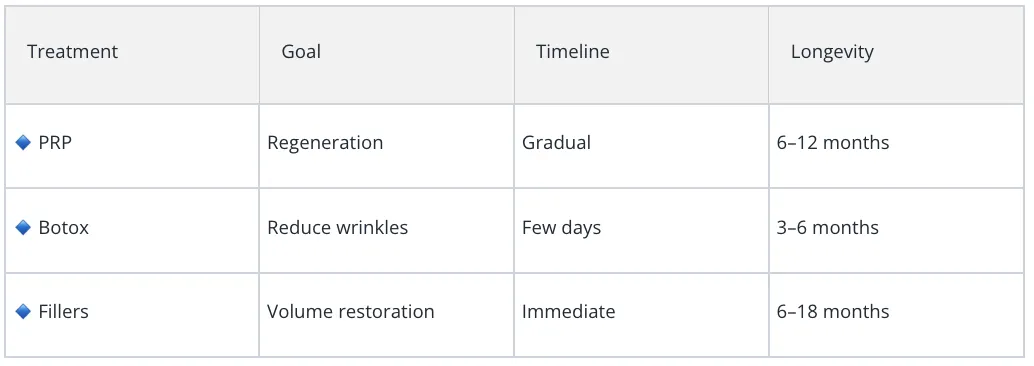
While Botox relaxes muscle movement and fillers add instant volume (often with hyaluronic acid), only PRP encourages real tissue remodeling and regeneration for long-term improvement with minimum intervention.
Side Effects and Risks: What You Need to Know about PRP & Regenerative Aesthetics Articles
Mild swelling (common)
Bruising (common)
Tenderness (common)
Infection (rare)
Temporary discomfort (rare)
PRP therapy’s risk profile is overwhelmingly mild. Most reactions—like swelling or slight bruising—resolve in days. Serious complications (such as infection or prolonged discomfort) are exceptionally rare, especially in certified clinics adhering to medical best practices outlined in reputable prp & regenerative aesthetics articles.
Who Is a Good Candidate for PRP Therapy in Regenerative Aesthetics?
Men and women with early hair thinning
Individuals seeking skin rejuvenation
Healthy adults without blood disorders
Patients wanting a minimally invasive, natural option
Not suitable for those with certain medical conditions (discuss with provider)
When performed in expert clinics, PRP is suited to those who prioritize subtlety, holistic wellness, and wish to avoid synthetic interventions. Always consult your provider to review your eligibility and map an effective personal treatment plan.
Frequently Asked Questions about PRP & Regenerative Aesthetics Articles

What is PRP therapy and how does it work?
PRP therapy uses a small sample of your own blood processed to concentrate platelets and growth factors. This concentrated plasma is then applied or injected to targeted skin or scalp areas, stimulating natural regeneration, collagen production, and healing for skin and hair improvement.
What conditions can PRP treat?
PRP treats fine lines, wrinkles, acne scars, skin texture irregularities, and early hair thinning or pattern hair loss. It is also used for general facial rejuvenation, under-eye brightening, and as a complement to other aesthetic procedures.
How long does a PRP session take?
A typical PRP session lasts about 45 to 60 minutes, including consultation, blood draw, centrifuge processing, and the treatment application itself. The process is quick and minimally invasive, allowing most patients to resume normal activities the same day.
Is anesthesia needed for PRP treatment?
General anesthesia is not needed. Providers use topical numbing creams or cooling to ensure comfort. Most patients report only mild sensation similar to pinching or pressure during PRP injections or microneedling.
What is the recovery time after PRP?
Recovery is typically rapid. Expect minor redness, swelling, or tenderness for 24 to 48 hours after treatment. Most people return to work and daily life the same day, avoiding strenuous activity and harsh products immediately following PRP.
When will I see results from PRP therapy?
PRP results develop gradually, with initial improvements seen in 1-2 months for skin and hair, and more pronounced effects by three to six months. Consistent sessions and aftercare help maximize and sustain your results.
How many PRP sessions are recommended?
Most experts advise a series of three to four PRP sessions, spaced about a month apart, to achieve full results. Maintenance treatments every 6 to 12 months are advised for ongoing benefits in hair restoration and skin rejuvenation.
Are there any risks or side effects of PRP?
Common risks are mild and include swelling, tenderness, and minor bruising at the injection site. Rarely, infection or temporary discomfort can occur. Serious side effects are very uncommon with autologous (your own blood) PRP performed by qualified providers.
Who is a good candidate for PRP treatment?
Healthy adults with early hair thinning or those wanting to improve skin texture and radiance make excellent PRP candidates. It’s not suited for anyone with active infections, blood clotting conditions, or certain chronic illnesses.
Can PRP be combined with other aesthetic procedures?
Yes. PRP is commonly used alongside microneedling, laser treatments, or other facial rejuvenation procedures for enhanced results. Your provider will recommend a customized approach based on your skin or hair goals.
People Also Ask About PRP & Regenerative Aesthetics Articles
What is PRP treatment used for?
PRP treatment is used for skin rejuvenation (such as fine lines and acne scars), under-eye improvement, and early-stage hair loss. It suits those seeking natural results without synthetic fillers or surgery.
Does PRP really work for hair loss?
Clinical research and patient reports show that PRP can support hair growth and slow hair loss, particularly in early-stage or mild cases. Results vary and work best when follicles are still active.
How long do PRP results last?
Results from PRP therapy typically last 6 to 12 months, with best maintenance achieved via periodic follow-up sessions as recommended by your provider.
Is PRP better than fillers or Botox?
PRP is not "better," but different. Unlike fillers or Botox, PRP regenerates tissue using your blood’s growth factors for gradual, natural results. Fillers and Botox target wrinkles and volume instantly; PRP works long-term for overall skin and hair wellness.
What are the side effects of PRP therapy?
Common side effects include mild swelling, bruising, and tenderness at the treatment site, resolving within days. Serious risks like infection are rare with certified providers and proper care.
How soon can you see results from PRP?
Initial results may appear within one to two months, but the most noticeable improvements generally develop by three to six months as the body responds to growth factors and new collagen forms.
Is PRP safe for the face?
Yes. PRP therapy is safe for the face when performed by a certified provider. Because it uses your own blood, the risk of allergic reaction or rejection is extremely low.
Can PRP regrow hair permanently?
PRP does not guarantee permanent hair regrowth. It is best for stabilizing ongoing thinning and supporting healthier hair growth, but maintenance treatments are generally needed to preserve improvements.
How often should PRP be done?
Most protocols start with 3-4 monthly sessions, followed by maintenance every 6-12 months. The optimal schedule may vary based on your unique response and goals.
What should you avoid after PRP treatment?
Avoid strenuous exercise, direct sunlight, harsh skin products, and rubbing or massaging the treated area for 24 to 48 hours post-treatment. Always follow your provider’s aftercare instructions.
Ready to Begin? Contact Us to Find the Best Med Spa Services for Your Skin Care Goals
Take the first step toward natural skin and hair rejuvenation—connect with a qualified med spa and discover how PRP & regenerative aesthetics articles can support your goals today.
If you’re interested in expanding your understanding of the full spectrum of med spa services and how they can complement your regenerative journey, the Best Med Spa US directory offers a curated look at top-rated clinics and advanced treatment options nationwide. Exploring this resource can help you discover innovative therapies, compare providers, and make empowered choices for your long-term skin and hair wellness. Whether you’re new to aesthetics or seeking the latest in regenerative medicine, this directory is a valuable next step on your path to natural beauty and confidence.
S. Raj, M.D. / Bestmedspaus.com
Director, Search Intelligence University/IABLEd
International Association for Business Leaders’ Education
Sources

The IABLEd
Beauty Intelligence University
The Definitive Curriculum for Search MarketVibrance and Beauty
Invenire. Imperare. Excludere.
Be Found. Command. Exclude.
Command Your Body. Control the Effects.
Want Your World to Discover You,
the Easy Way?
Experience wellness while exploring opportunities.
We provide the necessary architecture to transform your body into a vibrant, work of art and global influence. Ask us how.
Copyright 2026. Best Med Spa US. All Rights Reserved.


* * * * *
COMPANY
30721 Russell Ranch Rd Suite 140, Westlake Village, CA 91362
CUSTOMER CARE
Get In Touch
Mon – Thurs
10:00am – 4:00pm
Fridays by Appointment
Saturday, Golf
Sunday –hurch
LEGAL
Stay informed about how new technology can make or break a brand.
FOLLOW US


Invenire. Imperare. Excludere.
Be Found. Command. Exclude.
© 2026 IABLEd Search Box Intelligence Academy | All Rights Reserved.
1. SBO Foundations 2: Practical SBO Implementation 3: Deeper Strategy & Behavior
4: Advanced Tactics & Data 5: Expert / Future-Facing 6 Bonus Academy Series