
Learn How Skin Boosters Work, What They Treat, And How Injectable Aesthetic Treatments Enhance Skin Quality And Overall Glow
Author; S.Raj, M.D, Updated: 6/29/2026 Reading Time: 5 Minutesmin
Skin Boosters & Injectables Articles
Imagine stepping into a well-lit, serene clinic for your first skin booster session — the air smells faintly of fresh botanicals and your practitioner assures you: this is not about changing your features, but coaxing true radiance and hydration from within. In the world of modern aesthetics, skin boosters & injectables articles are shaping the conversation around non-surgical, hydration-driven skin rejuvenation—and you’re probably wondering if this approach is right for you.
What You'll Learn in This Skin Boosters & Injectables Articles Guide
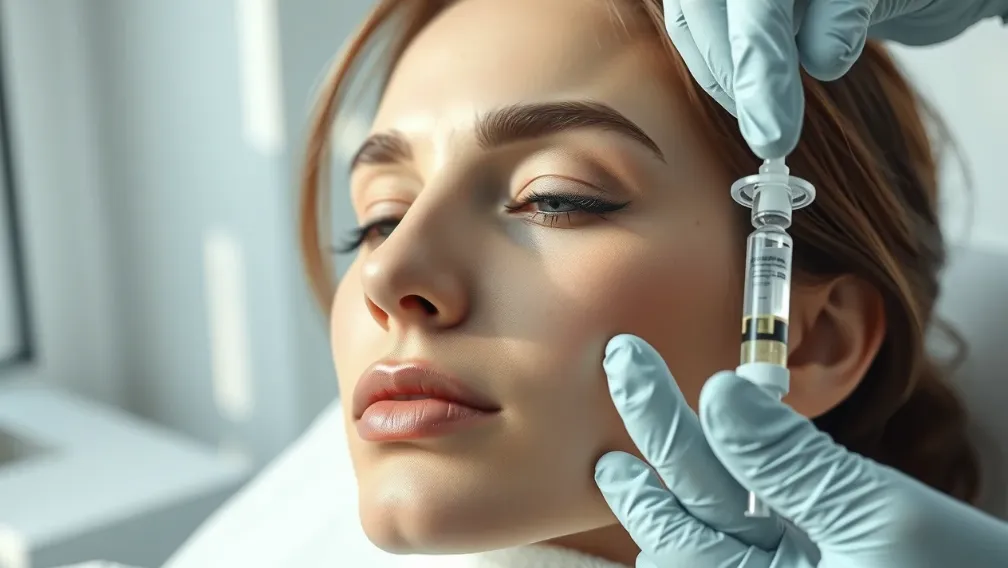
Understand how skin boosters & injectables work to improve hydration, texture, elasticity, and radiance
Learn what skin concerns are best treated by injectable skin booster therapies
Discover the differences between skin boosters, dermal fillers, and Botox
Gain insights on safety, longevity, candidacy, and post-treatment expectations
Introduction: Rethinking Skin Quality with Skin Boosters & Injectables Articles

The pursuit of smooth, glowing, and hydrated skin is universal—yet the path has shifted from invasive procedures toward less-is-more solutions. Skin boosters & injectables articles have gained immense attention as patients increasingly prioritize natural skin quality and subtle enhancement over intense sculpting or dramatic transformation. These injectable skin booster therapies offer a unique, minimally invasive route to hydration-rich, radiant skin. This guide walks you through what skin boosters are, how they differ from dermal fillers and Botox, what types exist, and what you can expect before, during, and after treatment.
We’re living in an era where self-care is more personalized than ever. With expert injection technique and evidence-based ingredients like hyaluronic acid, aesthetic clinics are helping patients treat fine lines, rough skin texture, and lost skin elasticity—gently, safely, and with ongoing esthetic improvement. This article is your deep dive into hydration-based injectable skin treatments for healthy, glowing, and resilient skin.
As you explore the benefits of skin boosters, it's also helpful to understand how these treatments compare to other popular injectables. For a detailed look at the distinctions between hydration-focused therapies and volumizing solutions, consider reviewing the differences between skin boosters and dermal fillers to make an informed decision about your personalized skin care plan.
Observing the Shift Toward Minimally Invasive Skin Rejuvenation Treatments
Gone are the days when only plastic surgery delivered skin rejuvenation. Today, skin boosters and injectable skin treatments occupy center stage in the world of non-surgical facial skin care. This shift is powered by advances in science and patient preferences: people want to look refreshed—not 'done'—and value subtle esthetic outcomes that preserve natural movement and expression. The combination of state-of-the-art dermal injection technique and powerhouse hydrating ingredients has allowed dermatology and medical aesthetics clinics to offer highly effective results without drastic downtime.
Patients now seek ways to actively improve their skin health and texture—not just fill lines or 'freeze' wrinkles. Skin booster injections feed the skin with hydrating solutions, support collagen synthesis, and reinforce the extracellular matrix for resilient, radiant results. For many, these treatments are an appealing alternative to or maintenance between more invasive procedures, ensuring ongoing, sophisticated skin care.
Why Hydration, Glow, and Prevention Are Today’s Priorities
Younger and older patients alike desire esthetic improvement that feels preventive rather than purely corrective. Dehydration, loss of glow, and early skin laxity are among the first aesthetic complaints. Skin boosters & injectables articles educate on how these therapies can replenish skin hydration, restore bounce, and create lasting radiance—without changing facial structure. These minimally invasive booster injections work by supporting healthy barrier function, replenishing lost moisture, and encouraging collagen and elastin production—cornerstones in preventing visible aging.
This patient-centered model recognizes that great skin isn’t just about erasing wrinkles—it's also about achieving balance in tone, elasticity, and smoothness. Prevention and maintenance are equally as important as correction in comprehensive skin health strategies.
Setting Realistic Expectations: Benefits and Limitations of Injectable Skin Treatments
While injectable skin boosters deliver visible skin hydration and subtle rejuvenation, they’re not a one-size-fits-all solution or a substitute for major volume loss, severe wrinkles, or surgical tightening. Setting realistic expectations matters: think supple, hydrated, glowing skin rather than ‘airbrushed perfection. ’ Individual results depend on factors such as age, baseline skin quality, treatment area, and adherence to post-treatment care. Benefits build gradually, often peaking after a series of treatments—with optimal effects maintained through expert guidance and proper skincare.
It’s important to approach these therapies as part of an integrated, ongoing skin health plan orchestrated by a qualified provider. Most importantly, always choose experienced injectors and medical clinics for the safest, most natural outcomes in skin boosters & injectables.
What Are Skin Boosters? Defining This Unique Injectable Skin Booster Treatment
Skin boosters are a new generation of injectable skin treatments specifically formulated to improve skin hydration, texture, and elasticity. Unlike dermal fillers that are designed to add volume or reshape facial contours, or botulinum toxin (Botox) which temporarily relaxes muscle movement, skin boosters focus on skin quality enhancement, working from within to restore moisture and support collagen synthesis. The most common ingredient is hyaluronic acid (HA), a naturally occurring molecule in the skin that attracts and binds water for instant and ongoing hydration benefits.
Injected in micro droplets via a fine needle using specialized dermal injection technique, skin booster injections deliver hydration deep into the skin. This gentle, minimally invasive approach helps soften fine lines, smooth rough skin texture, and reinvigorate dull, aging, or crepey areas without over-plumping or freezing facial features. Most importantly, skin boosters & injectables articles highlight that these treatments are suitable for a broad range of ages and skin concerns—acting as both prevention and rejuvenation.
How Skin Boosters Differ from Dermal Fillers and Botox
Focus on hydration, not volume: Skin boosters don’t sculpt or fill—they infuse the skin with moisture for subtle plumpness and glow.
Mechanism: improving skin quality, not paralysing muscles: Unlike Botox, skin boosters do not impact muscle movement or expression. Instead, they build better skin health through improved hydration, collagen stimulation, and tissue regeneration.
Skin Boosters & Injectables Articles Emphasize Skin Quality Over Sculpting
Injectable skin boosters prioritize restoring hydration, radiant texture, and elasticity—not changing your face shape.
How Do Skin Boosters & Injectables Work to Improve Skin Quality?
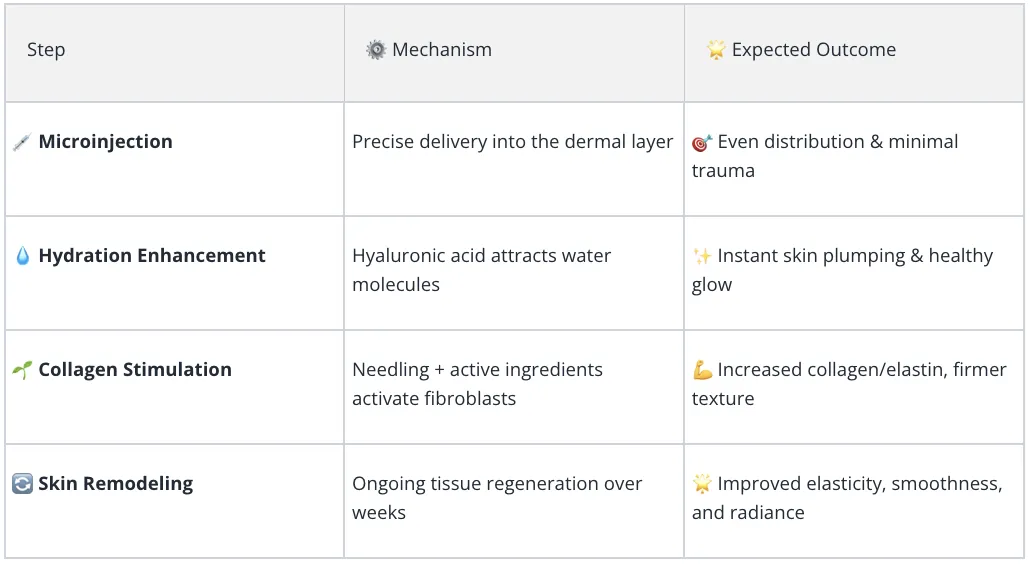
Modern skin boosters use advanced microinjection technique to deliver hydrating ingredients—primarily hyaluronic acid—directly beneath the skin’s surface. Once injected, the product attracts and retains moisture, creating a reservoir of hydration that plumps the skin, smooths fine lines, and supports the natural architecture of the facial skin. Over time, the stimulation of the extracellular matrix (supportive skin structure) encourages both collagen synthesis and elastin production, key factors for long-term skin rejuvenation.
This dual action—immediate hydration and ongoing remodeling—makes injectable skin boosters a highly effective approach for patients seeking improvement in skin quality, texture, and glow with minimal disruption to daily life. Repeated treatments can help establish lasting improvements by maintaining hydration balance and enhancing tissue regeneration.
Microinjection Technique and Skin Remodeling
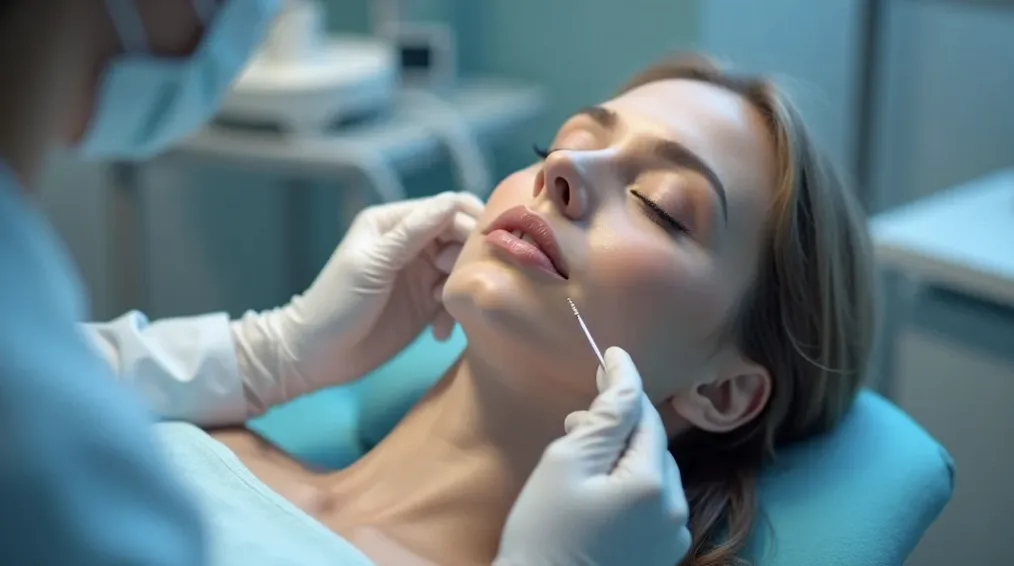
The secret to successful skin booster results lies in meticulous injection technique. Each treatment involves a series of microinjections—tiny amounts of hydrating solution—performed evenly across the targeted area with super-fine needles or cannulas. This method ensures uniform distribution and minimal trauma. The microinjections initiate a mild healing response, prompting collagen and elastin production and aiding in the rejuvenation of the skin’s extracellular matrix.
As the product settles, you’ll notice hydration and suppleness increase quickly, but deeper benefits—like firmer texture and improved elasticity—continue to expand over weeks as the skin remodels from within. This precise, layer-by-layer approach is ideal for treating thin, delicate skin or diffuse concerns across the face, neck, and hands.
Hyaluronic Acid and Other Hydrators in Action
Hyaluronic acid (HA) is the standout star among ingredients used in injectable skin boosters. With its unparalleled ability to bind up to 1,000 times its weight in water, HA acts as a powerful skin-plumping agent, instantly restoring moisture to dehydrated tissues. When microinjected, it also creates micro-reservoirs of moisture that continuously nourish the skin from the inside out.
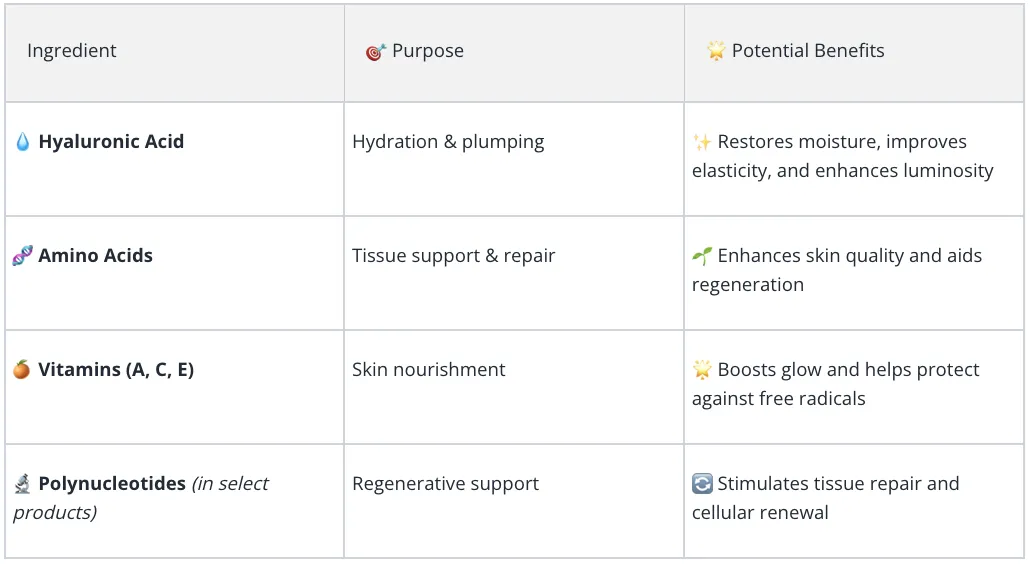
Some formulations include amino acids, vitamins, polynucleotides, or peptides—all chosen to further enhance skin quality, support tissue regeneration, and complement hyaluronic acid’s effects. These ingredients help reinforce the extracellular matrix and fuel the skin’s natural repair processes for more durable, long-term improvement.
Collagen Stimulation and the Skin Rejuvenation Process
Beyond hydration, skin booster injections stimulate a cascade of rejuvenating responses. The gentle needling effect prompts fibroblast cells to increase collagen synthesis and regenerate healthy skin tissue. Over a series of treatments, this supports a thicker dermis, reduced crepey appearance, and less noticeable fine lines. Boosted collagen and elastin together contribute to stronger, smoother, and more resilient skin with every session.
This combination of instant skin hydration and ongoing dermal restructuring is why patients seeking aesthetic outcomes that look and feel natural often turn to skin booster therapy as part of a comprehensive self-care plan.
What Ingredients Are Used in Skin Boosters & Injectables Articles?
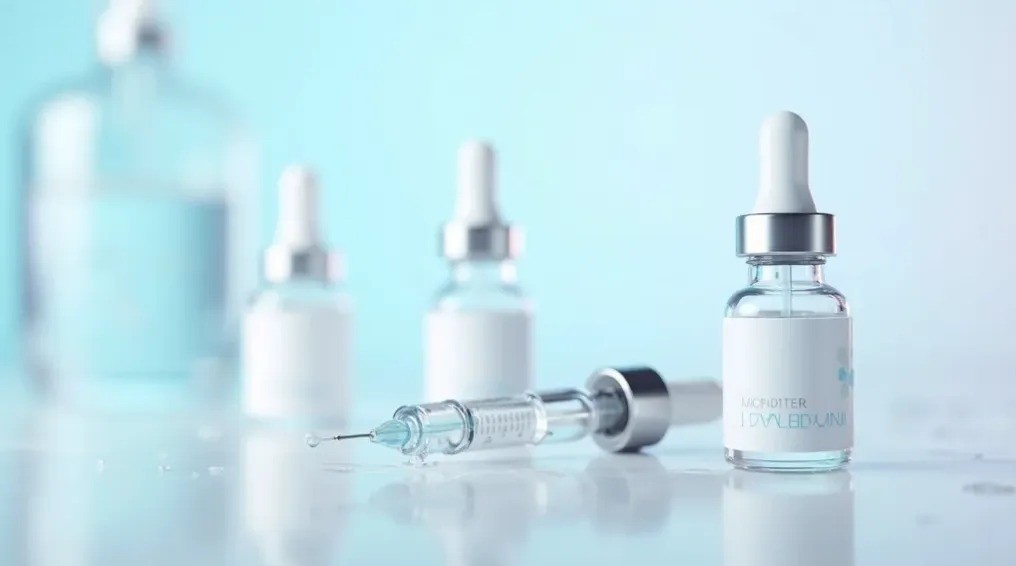
The main active ingredient in most skin boosters is hyaluronic acid, but other supportive ingredients may also be included for targeted benefits. Understanding these components will help you weigh their potential for your own skin concerns.
Understanding Hyaluronic Acid, Amino Acids, and Polynucleotides
Hyaluronic acid (HA) forms the foundation of nearly every injectable skin booster due to its unrivaled capacity for enhancing skin hydration, volume, and texture. HA is naturally present in the skin and replenishing it helps restore moisture lost through aging, environmental exposure, or genetics.
Some advanced formulations may introduce amino acids (for tissue repair and structural support), polynucleotides (to promote healing and cellular regeneration), and select vitamins or antioxidants for added radiance and defense against oxidative stress. The blend chosen by your provider will often be tailored to your unique goals and skin needs.
What Do Skin Boosters & Injectables Treat? Indications and Benefits
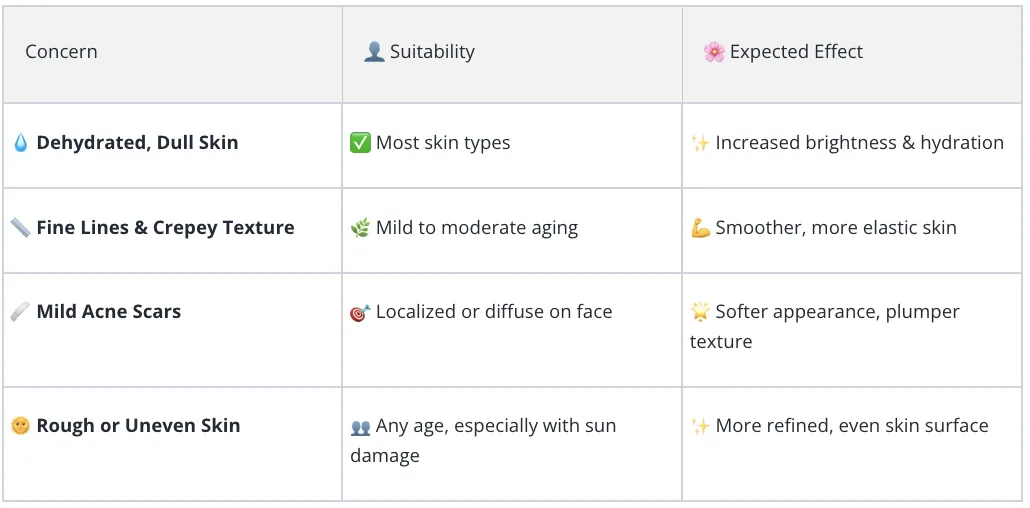
Skin boosters & injectables are tailored for patients looking to address a wide range of skin concerns that don’t always require volumizing fillers or surgical intervention. The main indications include:
Dehydrated skin
Fine lines
Rough skin texture
Dull, tired complexion
Mild acne scars
Crepey skin

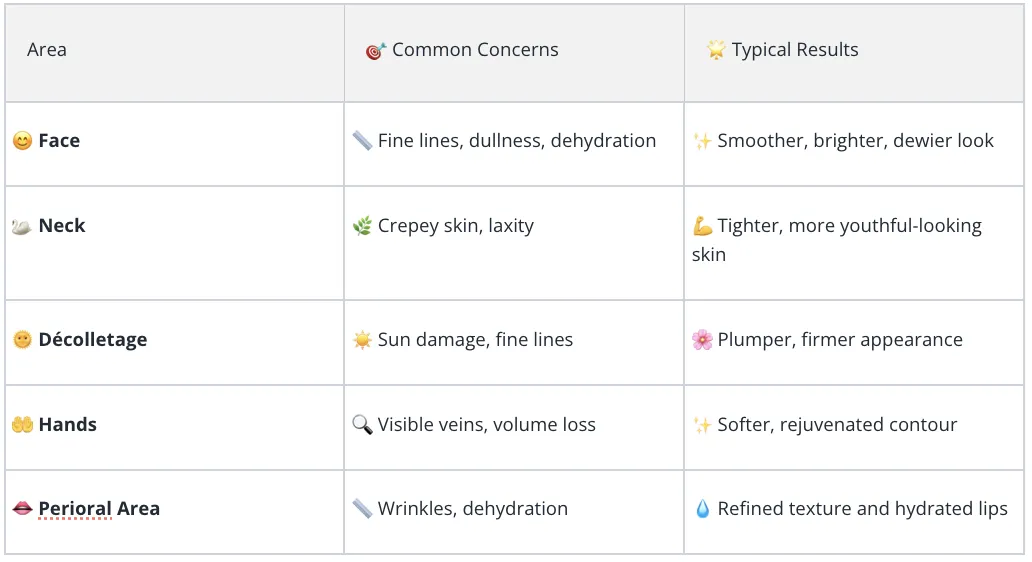
Which Areas Can Be Treated by Skin Boosters & Injectables?
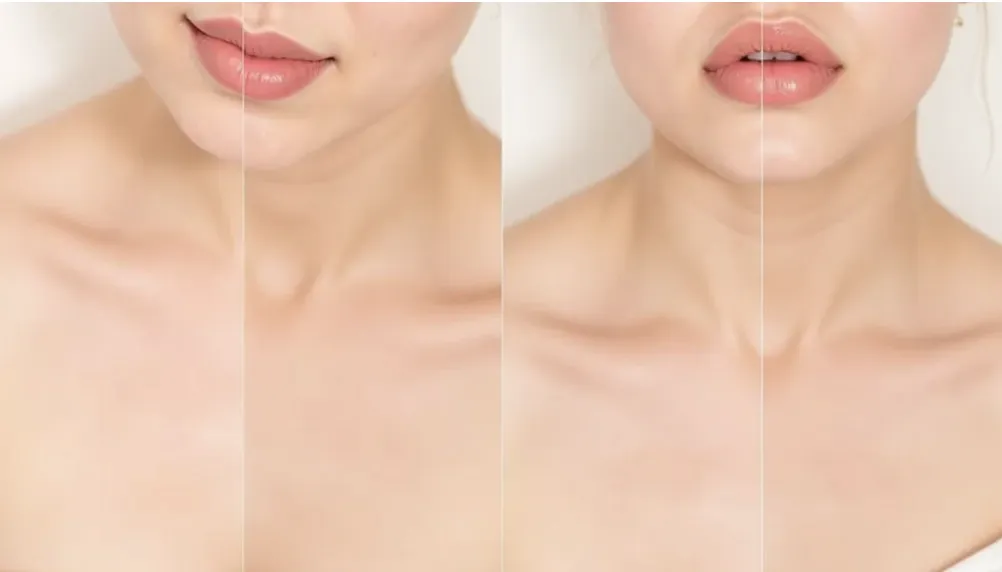
Face (cheeks, temples, under-eyes, chin)
Neck
Décolletage
Hands
Perioral (around mouth)
What Happens During a Skin Boosters & Injectables Treatment?
The typical journey through a skin booster or injectable skin booster session involves several carefully choreographed steps for safety, comfort, and optimal outcomes:
Consultation and expectations: Thorough review of your skin goals, history, and suitability.
Skin assessment and plan: Your provider examines the treatment area(s) and tailors a personalized approach.
Cleansing and preparation: Gentle removal of makeup and debris for a sterile start.
Numbing with topical anesthetic if needed: To minimize discomfort during the procedure.
Microinjection of skin booster or injectable skin booster: Even, precise delivery with a fine needle or cannula.
Aftercare advice for optimal hydration and recovery: Post-treatment guidance, including aftercare products and activity limitations.

Avoid touching or massaging the treated area for several hours
No strenuous exercise or hot baths for 24 hours
Minimize sun exposure and always use sunscreen
Apply a recommended soothing cream if skin feels sensitive
Report any prolonged redness, swelling, or bruising to your clinic
Does Skin Booster & Injectable Treatment Hurt? Comfort, Expectation & Sensation
Needle Sensation, Numbing, and Patient Experience
“Most patients report mild discomfort, often likened to tiny pinpricks; numbing cream helps minimize sensation.”
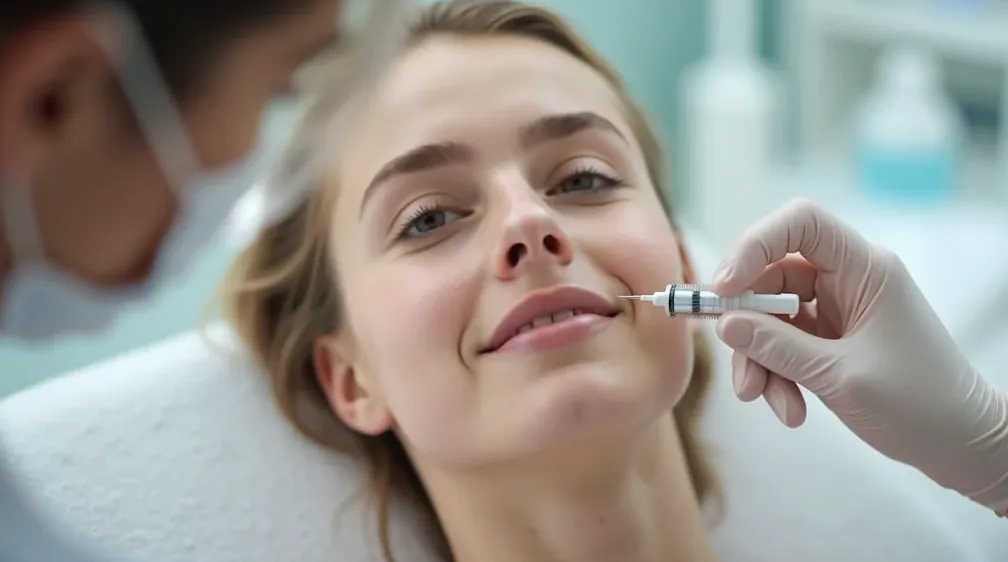
The majority of patients describe skin booster injections as surprisingly tolerable. During microinjection, a thin needle deposits small amounts of hydrating fluid into the skin. Any discomfort is brief, localized, and usually well-managed with topical numbing cream. Some may feel faint stinging or pinpricks, but this sensation dissipates quickly. Discuss your sensitivity with your injector to explore additional comfort options based on your needs or previous experiences.
Your provider’s expertise makes a noticeable difference—clinics specializing in injectable skin boosters often use refined techniques for precise placement and maximum comfort, keeping your experience both safe and positive.
How Long Does a Skin Boosters & Injectables Session Take?
Duration of Individual and Series of Treatments
A typical skin booster session takes between 20 and 45 minutes, including preparation and post-treatment review. Full face or multiple areas may need additional time, but these treatments fit conveniently into most schedules. For best results, a foundation series of 2–3 sessions is often recommended, spaced several weeks apart.
Results build cumulatively; most clinics advise starting with a short series, then gradually extending the intervals as skin quality improves. This flexible approach allows patients to fine-tune maintenance according to their needs, lifestyle, and desired aesthetic outcomes.
Recommended Maintenance Schedules
Initial course: 2–3 sessions, 3–4 weeks apart
Maintenance: every 4–6 months post-series
Ongoing assessments: periodic check-ins tailored to your progress

Maintenance is crucial for sustained results—continued hydration and collagen support help uphold that healthy glow even as natural aging progresses. Your practitioner will personalizes each plan based on your starting point and skin goals.
Results Timeline: When Will You See Effects from Skin Boosters & Injectables?
Week 1: Early Hydration
Within a week of your first skin booster injection, most people notice increased suppleness and a gentle, dewy glow. This 'glass skin' effect is the direct result of restored hydration via hyaluronic acid and improved skin barrier function.
Weeks 2–4: Texture and Glow
By the two-week mark and onward, visible improvements in texture, smoothness, and elasticity develop. Fine lines begin to soften; the skin takes on a naturally luminous quality. Cumulative sessions amplify these benefits as the underlying extracellular matrix rebuilds.
Months 1–3: Skin Remodeling Continues
After multiple treatments, you'll see the full payoff. Collagen and elastin production increase, helping tighten crepey areas and refine pores. Many patients describe their skin as looking younger, bouncier, and more refreshed with every passing month.
Maintenance: Sustaining Your Results
Ongoing sessions—every 4–6 months—help sustain peak hydration and skin renewal. Your clinic can help you time these touch-ups to sync with seasonal needs or life events, so you always look your best.
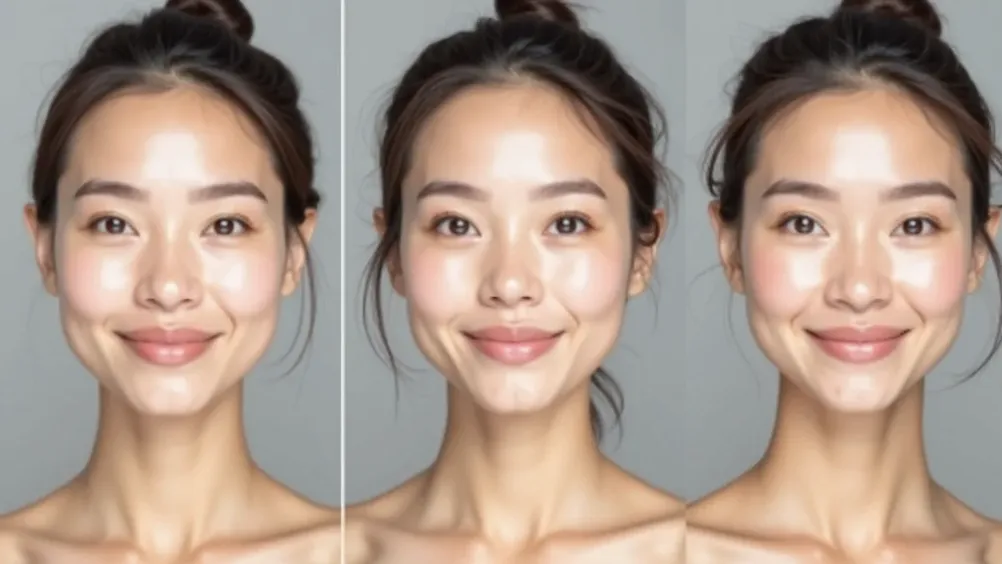
"Patients often note a dewy, fresh look within the first week, with ongoing improvements in texture and elasticity in subsequent months."
Week 1: Noticeable hydration and plumpness
Week 2–4: Texture, elasticity, and radiance improve
3 months: Peak skin quality, firmer features, visible glow
Ongoing: Maintenance sessions prevent regression
Consistent Results Require Ongoing Maintenance
Key Insight: Hydration and rejuvenation peak after a gradual build-up of treatments—consistent maintenance secures your long-term glow.
How Long Do Skin Boosters & Injectable Results Last? Longevity and Maintenance
Expected Duration of Results
For most patients, the visible improvements delivered by skin boosters & injectables last from 4 to 9 months after the completion of a full series. Individual results vary based on skin type, lifestyle, age, and maintenance routines. While the initial result is most apparent, the lasting effects depend on both ongoing sessions and good at-home skin care.
What Affects Longevity?
Skin metabolism and lifestyle (sun exposure, smoking, stress)
Age and starting skin quality
Product formulation and technique
Adherence to recommended maintenance schedule
Nutritional and hydration habits
Protecting your investment means listening to your clinician’s aftercare tips, protecting the skin barrier, and returning for timely top-ups every 4–6 months or as discussed during follow-ups. This helps preserve optimal skin hydration and structure for long-lasting radiance.
Skin Boosters vs Dermal Fillers: What Sets These Injectables Apart?
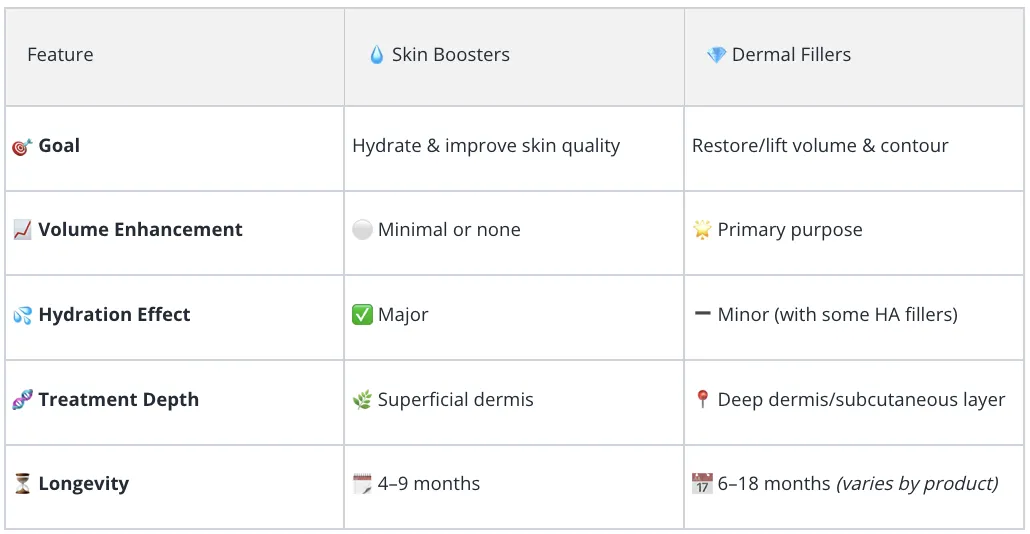
Skin boosters suit those seeking hydration, texture, and glow—especially for younger, prevention-minded or early-aging skin.
Dermal fillers are ideal for restoring volume, contouring, and addressing deeper creasing or structure loss.
Skin Boosters vs Botox: Understanding Differences in Injectable Skin Treatments
Skin boosters suit those seeking hydration, texture, and glow—especially for younger, prevention-minded or early-aging skin.
Dermal fillers are ideal for restoring volume, contouring, and addressing deeper creasing or structure loss.

Safety, Risks, and Side Effects of Skin Boosters & Injectables
Common side effects: redness, swelling, bruising, tenderness
Rare risks: infection, allergic reactions, nodules (product-dependent)
Why Expertise in Injection Technique Matters: Clinic Selection and Injector Qualifications
The safety and efficacy of skin booster injections depend heavily on the qualifications of your provider and the sterility of their technique. Choose only licensed, experienced practitioners in reputable medical clinics. Skilled injectors use appropriate techniques to mitigate risks, select the best products for your needs, and provide comprehensive aftercare. Never opt for unregulated venues or at-home kits, as these significantly raise the chance of complications.
Always notify your clinician of any known allergies, autoimmune conditions, or medicine you take prior to treatment.
Who Is a Good Candidate for Skin Boosters & Injectable Skin Treatments?
Early aging signs (subtle lines, crepeyness, dehydration)
Dull, tired, or thin skin seeking glow and bounce
Preventive maintenance for healthy appearance
Patients who wish to avoid surgery or dramatic filler
Contraindications: pregnancy or breastfeeding, active skin infections, severe allergy to any product ingredient, uncontrolled autoimmune disease, or history of severe scarring disorders
Not ideal for those with unrealistic expectations about results or major volume needs
"An individualized assessment is vital — not all patients are ideal candidates for every injectable skin treatment."
Frequently Asked Questions About Skin Boosters & Injectable Skin Treatments
Are skin boosters better than dermal fillers?
Skin boosters and dermal fillers serve different purposes. Skin boosters enhance hydration, texture, and radiance without changing facial contours; dermal fillers add or restore volume in deeper lines or features. The best choice depends on your skin goals and areas of concern.
How long does it take to see results from skin boosters?
Initial skin hydration and glow are usually noticeable within a week. Texture, elasticity, and overall improvement become more apparent after two to four weeks, especially after a series of treatments for cumulative benefits.
Do skin boosters hurt?
Most patients experience only mild discomfort, often described as small pinpricks during injection. Providers typically use topical numbing cream to minimize sensation, making the experience well-tolerated for most people.
What areas can be treated with injectables?
Injectable treatments like skin boosters are suitable for the face (cheeks, temples, chin, under-eyes), neck, décolletage, hands, and around the mouth. Each area is assessed individually to ensure safety and the most natural results.
How often should you get skin boosters?
A starter series of 2–3 sessions spaced 3–4 weeks apart is typical, followed by maintenance every 4–6 months. Your provider may customize this schedule for your skin’s needs and your lifestyle goals.
Are there side effects of injectable treatments?
Temporary side effects can include mild redness, swelling, bruising, and tenderness at the injection site. Serious complications are rare when performed by a qualified provider, but infection or allergic reactions may occur in isolated cases.
Can skin boosters help with acne scars?
Yes, skin boosters can improve the appearance of mild, shallow acne scars by increasing skin plumpness and supporting tissue regeneration. Deeper or more pronounced scars may need additional or complementary treatments.
Is there downtime after skin booster injections?
Downtime is minimal. Most people experience slight swelling or redness for a day or two, which resolves quickly. You can return to most daily activities immediately, with a few aftercare precautions.
What is the best age to start injectables?
There’s no universal best age—it depends on your unique skin needs and goals. Many people start skin boosters in their late 20s or 30s for prevention, while others benefit from rejuvenation and repair at any mature age.
Do skin boosters stimulate collagen production?
Yes, microinjections promote collagen and elastin production, which supports firmer, more resilient skin over time. This effect complements the instant hydration and softening effects of the product.
What are skin boosters and how do they work?
Skin boosters are injectable treatments that deliver hydration-boosting ingredients, like hyaluronic acid, into the skin. This plumps up the skin, improves texture, and supports collagen, resulting in a natural, healthy glow.
What ingredients are used in skin booster injections?
The main ingredient is hyaluronic acid. Some formulations also include amino acids, polynucleotides, and vitamins to further improve skin quality, encourage regeneration, and enhance radiance.
How long does a skin booster treatment take?
A single session usually lasts between 20 and 45 minutes, including preparation and aftercare instructions. Treating multiple areas may take a little longer.
Is anesthesia needed for injectable treatments?
Not general anesthesia. A topical numbing cream is usually applied to the treatment area to minimize discomfort during the microinjection process.
What is the recovery time after skin boosters?
Recovery is usually swift. Most people resume normal activities the same day, but mild redness or swelling can last up to two days for some.
When will I see results from skin booster injections?
You’ll see initial hydration and glow within a week. Full results—like improved skin firmness, texture, and radiance—peak two to four weeks after completing the initial series.
How long do the results of skin boosters last?
Results typically last between 4 and 9 months after a full series. Regular maintenance sessions extend the benefits and keep your skin hydrated and refreshed.
Are injectables safe for all skin types?
When performed by skilled professionals, skin boosters are safe for most skin types. Individual assessment is key, especially if you have allergies, autoimmune disorders, or other conditions.
Can skin boosters be combined with other treatments?
Yes, many clinics combine skin boosters with other aesthetic treatments, like lasers or microneedling, for a comprehensive approach to skin health and rejuvenation.
Who should avoid skin booster or injectable treatments?
Patients who are pregnant, nursing, have active skin infections, severe allergies, or certain autoimmune disorders should avoid these treatments. Always discuss medical history with your provider before proceeding.
Key Takeaways from This Clinic-Grade Skin Boosters & Injectables Article
Skin boosters offer unique, hydration-based skin rejuvenation for multiple areas
Results take time, require maintenance, and rely on expert technique
Candidacy should be determined in consultation with a qualified provider
Safety, expectations, and informed decisions are paramount
Connect with Trusted Experts: Next Steps for Your Skin Care Journey
Contact Us to Find the Best Med Spa Services for Your Skin Care Goals
Ready for clinical glow and long-lasting hydration? Book a consultation with a certified medical aesthetics provider to craft your ideal skin booster plan. Your journey to visibly healthier skin starts now.
If you’re inspired to elevate your skin care routine beyond hydration and want to explore the full spectrum of advanced med spa solutions, there’s a wealth of knowledge waiting for you. Discover how a holistic approach—combining injectables, professional treatments, and personalized aftercare—can unlock your skin’s highest potential. For those seeking to stay ahead of the curve in aesthetics, exploring comprehensive med spa strategies and expert guidance can help you achieve radiant, resilient skin for years to come. Take the next step and empower your journey with insights from trusted professionals in the field.
Brief animated overview: The journey of a skin booster treatment — from consultation to glowing results. Includes schematic graphics of hydration, collagen, treatment areas, and realistic animated transitions between steps. Style: clean, modern, inviting, light background, overlays reinforce the education visually, capped at 90 seconds, calming music, no voiceover.
S. Raj, M.D. / Bestmedspaus.com
Director, Search Intelligence University/IABLEd
International Association for Business Leaders’ Education
Sources

The IABLEd
Beauty Intelligence University
The Definitive Curriculum for Search MarketVibrance and Beauty
Invenire. Imperare. Excludere.
Be Found. Command. Exclude.
Command Your Body. Control the Effects.
Want Your World to Discover You,
the Easy Way?
Experience wellness while exploring opportunities.
We provide the necessary architecture to transform your body into a vibrant, work of art and global influence. Ask us how.
Copyright 2026. Best Med Spa US. All Rights Reserved.


* * * * *
COMPANY
30721 Russell Ranch Rd Suite 140, Westlake Village, CA 91362
CUSTOMER CARE
Get In Touch
Mon – Thurs
10:00am – 4:00pm
Fridays by Appointment
Saturday, Golf
Sunday –hurch
LEGAL
Stay informed about how new technology can make or break a brand.
FOLLOW US


Invenire. Imperare. Excludere.
Be Found. Command. Exclude.
© 2026 IABLEd Search Box Intelligence Academy | All Rights Reserved.
1. SBO Foundations 2: Practical SBO Implementation 3: Deeper Strategy & Behavior
4: Advanced Tactics & Data 5: Expert / Future-Facing 6 Bonus Academy Series