
Discover How Thread Lift Treatments Lift And Tighten Sagging Skin Using Minimally Invasive Threads To Restore A More Youthful Facial Contour
Author; S.Raj, M.D, Updated: 6/29/2026 Reading Time: 5 Minutesmin
Thread Lift Resources
Imagine looking in the mirror and seeing your jawline and cheeks regain their youthful firmness—without months of surgical downtime or going under the knife. As facial aging concerns rise, more people seek minimally invasive options to restore their natural features. Thread lift resources are at the forefront of this movement, offering effective ways to lift and tighten sagging skin with minimal discomfort and lasting rejuvenation.

Observing the Demand for Non-Surgical Thread Lift Resources
Why Thread Lift Resources Are Growing in Popularity
In the dynamic world of aesthetic medicine, the demand for non-surgical thread lift resources has surged. More people are looking for solutions that offer the lifting effects of a face lift without the risks, scars, and recovery time of traditional surgery. With improvements in PDO thread lift resources and advanced thread training programs, patients now benefit from safe, effective procedures performed by highly skilled medical professionals. This trend is not limited to one age group—anyone noticing early signs of sagging or loss of facial definition can potentially benefit from these innovative treatments.
The popularity of thread lifts comes from the promise of immediate facial improvements, subtle contouring, and gradual collagen stimulation—all without the significant downtime of a surgical facelift. As more clinics invest in professional thread lift resources and stringent training, these procedures continue to evolve, offering patients natural, tailored results backed by safety and science.
For those interested in the broader landscape of med spa services and how thread lifts fit into a comprehensive approach to facial rejuvenation, you can explore additional insights and resources at this curated directory of top med spa providers. This resource can help you compare treatment options and find reputable clinics specializing in advanced aesthetic procedures.
What You'll Learn in this Thread Lift Resources Guide
The science behind thread lift resources and PDO thread techniques
How thread lift resources restore youthful facial contours
Risks, benefits, and recovery expectations for thread lift resources
Criteria for identifying good candidates for thread lift resources
Frequently asked questions about PDO thread lift procedures
What Is a Thread Lift? Understanding Essential Thread Lift Resources

Definition and Purpose of Thread Lift Resources
A thread lift is a minimally invasive procedure designed to gently lift and tighten sagging skin on the face and neck. Unlike a traditional surgical facelift, a thread lift uses absorbable PDO (polydioxanone) threads to reposition and support tissue. This method is ideal for those looking to address mild to moderate skin laxity and restore youthful facial contours without the risks and long recovery times associated with lift surgery. By leveraging advanced thread lift resources, clinics can offer patients natural-looking improvement with very little downtime and fewer side effects than surgery.
The key goal of thread lifts is to enhance facial features—such as the jawline, cheeks, and brow—while stimulating the skin’s natural healing response. As the threads dissolve over the months following treatment, they leave behind a framework of new collagen, further improving texture, firmness, and overall appearance.
PDO Thread Lift Resources: Key Differences from Volumizing Procedures
While volumizing procedures like dermal fillers are designed to restore lost volume or “plump” specific areas, a thread lift mechanically lifts sagging tissues upward to counteract gravity and aging. PDO threads act as a safe, supportive scaffold under the skin. This distinction is crucial: fillers add softness and shape, while thread lifts reposition tissue and define the facial anatomy. Both procedures can complement one another in a comprehensive rejuvenation plan.
For optimal results, thread lift resources prioritize correct thread selection (including barbed and smooth threads), advanced placement techniques, and an understanding of each patient’s unique facial structure. A skilled medical professional, preferably with specialized PDO thread training, customizes every lift procedure, balancing safety and beauty.
Thread lift resources offer a minimally invasive alternative to surgical facelifts, providing patients with a natural-looking lift and collagen stimulation using PDO threads.
How Does a Thread Lift Work? Exploring Critical Thread Lift Resources
Step-by-Step Thread Lift Procedure and Mechanical Lifting Effects
The thread lift procedure strategically places thin, absorbable PDO threads beneath the skin to provide immediate and visible lifting effects. Using ultrasound or anatomical mapping, the medical professional identifies key lift vectors based on the patient’s unique facial anatomy. Local anesthesia ensures comfort as each thread is inserted through a fine needle or cannula. Once positioned, the threads act as internal “anchors,” physically lifting and supporting lax or drooping tissues. Many threads feature tiny barbs or coils to grip the tissue securely, delivering a subtle “face lift” effect right away.
But the benefits go beyond the initial lift. As the body naturally absorbs the threads over several months, the healing response triggers collagen production, further tightening and improving skin quality. Each step in the process is meticulously performed using thread lift resources in a sterile, clinical environment.
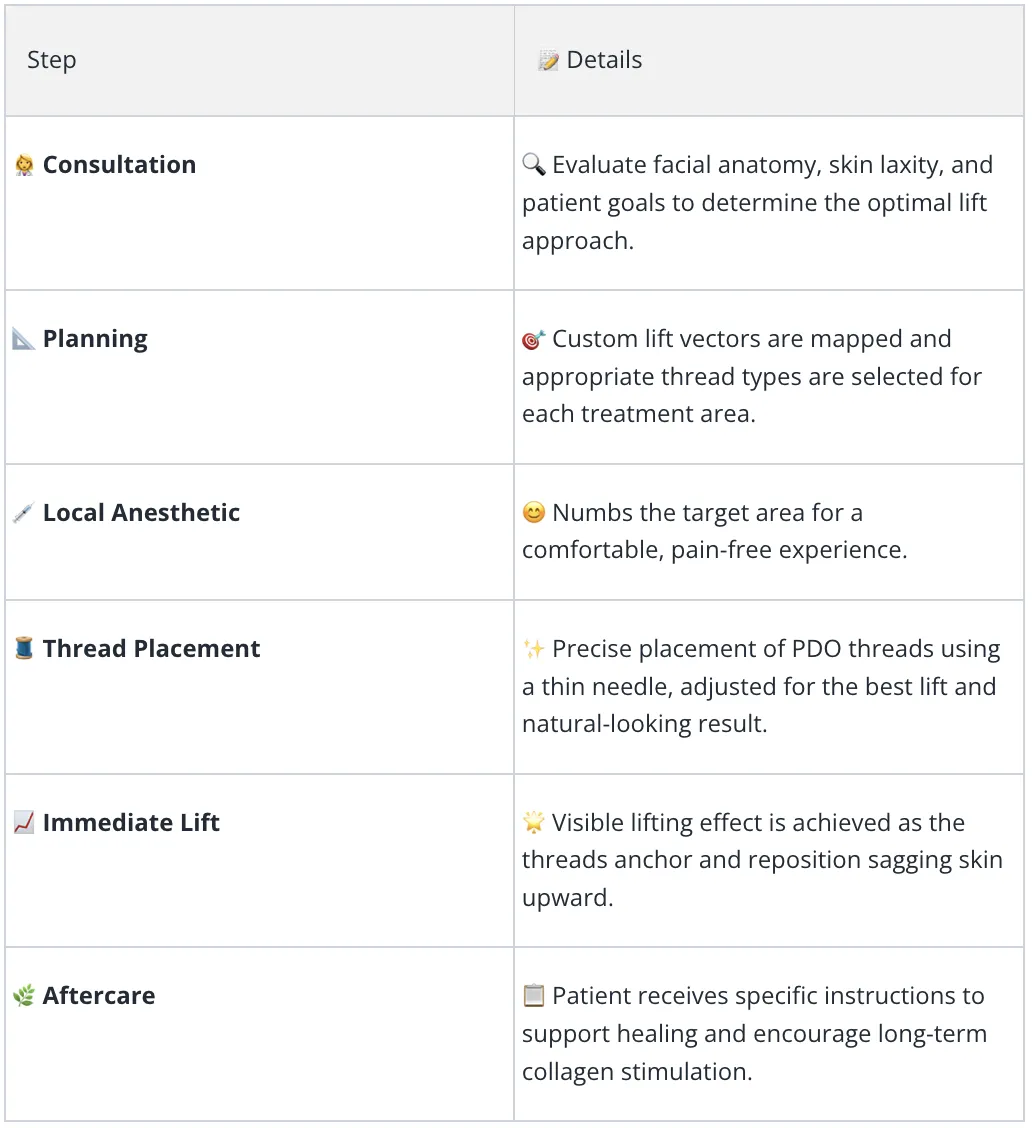
Thread Lift Resources for Tissue Support and Collagen Stimulation
Thread lifts work on two levels: first, they provide a mechanical lift by physically holding sagging tissue upwards; second, they trigger a cascade of biological events in the skin. As the PDO threads dissolve, your body registers them as a “controlled wound,” leading to increased collagen production and tighter, firmer skin over time. This dual action—immediate lifting and delayed rejuvenation—makes thread lift resources attractive for anyone seeking long-lasting results with minimal intervention.
By leveraging advanced thread lifting techniques, personalized thread placement, and knowledge of facial anatomy, skilled medical professionals provide maximum support where it’s needed most. This holistic, patient-centered approach ensures the best possible outcome for every thread lift patient.
What Are PDO Threads? Core PDO Thread Lift Resources

Thread Lift Resources for Tissue Support and Collagen Stimulation
Thread lifts work on two levels: first, they provide a mechanical lift by physically holding sagging tissue upwards; second, they trigger a cascade of biological events in the skin. As the PDO threads dissolve, your body registers them as a “controlled wound,” leading to increased collagen production and tighter, firmer skin over time. This dual action—immediate lifting and delayed rejuvenation—makes thread lift resources attractive for anyone seeking long-lasting results with minimal intervention.
By leveraging advanced thread lifting techniques, personalized thread placement, and knowledge of facial anatomy, skilled medical professionals provide maximum support where it’s needed most. This holistic, patient-centered approach ensures the best possible outcome for every thread lift patient.
What Are PDO Threads? Core PDO Thread Lift Resources
PDO Thread Material, Biocompatibility, and Gradual Absorption
PDO (polydioxanone) threads are made from a medical-grade, biocompatible polymer long used in surgical sutures. These threads are safely absorbed by the body over approximately 6–12 months after treatment. Their biocompatibility means they cause minimal reaction, low risk of allergies, and reliable integration with the skin’s healing processes. As each PDO thread dissolves, it leaves behind renewed structural support—thanks to the new collagen and elastin generated in response to the foreign material.
The texture and thickness of the threads (smooth vs. barbed threads, mono vs. cog) are selected based on the treatment goals and specific areas requiring lift or support. The best thread lift resources carefully choose threads that balance lifting power with natural-looking results.

Why PDO Threads Dominate Thread Lift Resources
PDO threads have become the cornerstone of modern thread lift resources due to several key advantages: safety, versatility, and proven efficacy. Unlike older types of threads, modern PDO threads are smoother, cause less trauma to tissue, and promote more predictable results. Their gradual, safe absorption not only ensures ongoing improvement while the threads remain in place, but also minimizes the risk of long-term complications.
Clinics and aesthetic medicine providers widely choose PDO threads for their ability to be used across diverse facial areas, their low profile under the skin, and their compatibility with combination facial rejuvenation therapies such as dermal fillers and neuromodulators. Whether you need a subtle refresh or significant midface contouring, PDO thread lift resources are the medical professional’s preferred tool for natural, lasting results.
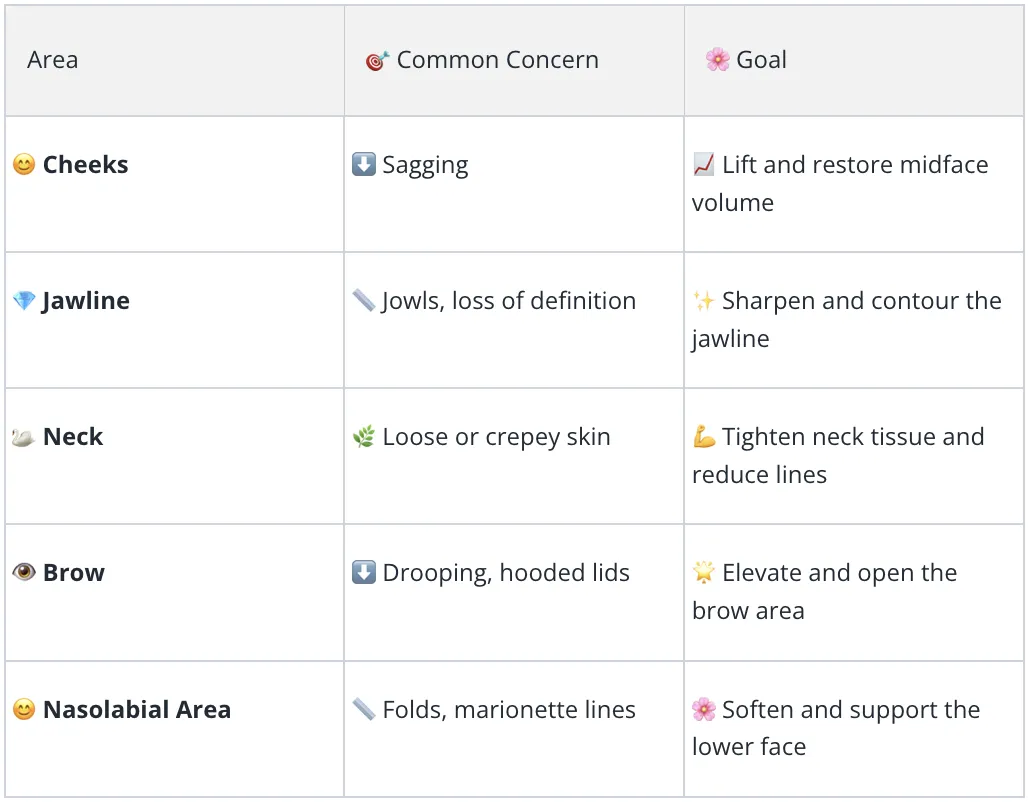
What Areas Can Thread Lifts Treat? Key Thread Lift Resources for Face and Neck
Who Is a Good Candidate for Thread Lift Resources?
Mild to moderate skin laxity
Early signs of facial aging
Realistic expectations about outcomes
Absence of contraindications (severe sagging, autoimmune conditions, bleeding disorders)
The best candidates for a thread lift are typically those seeking facial rejuvenation without surgery, who display mild to moderate skin laxity and still retain some underlying facial structure. They should have healthy skin and not be on medications or have medical conditions that could affect healing, such as active infection, immune disease, or bleeding disorders. Realistic expectations are key: candidates should understand that results are dramatic but subtle, and not as extensive as a surgical facelift.
Individuals with very thin skin, excessive facial fat, or severe tissue sagging may not achieve optimal results from a thread lift and might be guided toward more comprehensive procedures by their plastic surgeon or aesthetic medicine provider.
What Happens During a Thread Lift Procedure? Utilizing Procedural Thread Lift Resources
Thread Lift Resources for Patient Consultation and Planning
Every successful thread lifting experience starts with a thorough consultation. During this stage, the provider reviews your medical history, evaluates your facial anatomy and goals, and explains how thread lift resources deliver a unique rejuvenation outcome tailored for you. Accurate planning, including the mapping of lift vectors and thread types, ensures a natural, balanced look.
Open discussion with your medical professional also gives you the chance to review anticipated results, possible side effects, and the recovery process, setting the foundation for a satisfying and safe treatment experience.

Who Is a Good Candidate for Thread Lift Resources?
Mild to moderate skin laxity
Early signs of facial aging
Realistic expectations about outcomes
Absence of contraindications (severe sagging, autoimmune conditions, bleeding disorders)
The best candidates for a thread lift are typically those seeking facial rejuvenation without surgery, who display mild to moderate skin laxity and still retain some underlying facial structure. They should have healthy skin and not be on medications or have medical conditions that could affect healing, such as active infection, immune disease, or bleeding disorders. Realistic expectations are key: candidates should understand that results are dramatic but subtle, and not as extensive as a surgical facelift.
Individuals with very thin skin, excessive facial fat, or severe tissue sagging may not achieve optimal results from a thread lift and might be guided toward more comprehensive procedures by their plastic surgeon or aesthetic medicine provider.
What Happens During a Thread Lift Procedure? Utilizing Procedural Thread Lift Resources
Thread Lift Resources for Patient Consultation and Planning

The Thread Lift Procedure: Stepwise Breakdown
Initial consultation
Customized treatment planning
Local anesthetic application
Precise thread placement
Immediate lift assessment
Post-procedure aftercare instructions
The mechanical aspect of the thread lift procedure involves using sterile technique, a fine cannula or needle, and the gentle insertion of each PDO thread according to your customized lift plan. After threads are placed, they are adjusted to create the desired lift before being trimmed. Immediate results are usually apparent, with patients given clear aftercare instructions to ensure healing and maintenance of their new look.
Most thread lift procedures are completed in-office and take around 45–90 minutes, depending on area(s) treated and number of threads used.
How Long Does a Thread Lift Take? Timelines within Thread Lift Resources
Procedure Duration and Number of Threads Used
The typical thread lift procedure can last anywhere from 45 minutes to an hour and a half. Smaller areas like the brows may require just a handful of threads, while lifts targeting multiple zones (such as the cheeks and jawline) could use ten or more. Your provider will outline this as part of your treatment plan.
Many patients are able to return to light activities or work later the same day or the day after the lift, with minimal visible marks (tiny entry points) and only mild swelling or bruising, if any.
Recovery Timeline Following Thread Lift Resources
Recovery is a strong advantage of thread lift resources. Most swelling and discomfort resolve within a few days, while noticeable skin improvements continue in the months after placement, as new collagen is generated. Providers monitor your healing and recommend follow-up visits as part of a clinical aftercare plan.
During this period, it’s important to follow all aftercare instructions and avoid excess facial movement or physical stress as new tissue forms around the threads.
Does a Thread Lift Hurt? Thread Lift Resources for Comfort and Expectations
Anesthetics, Sensations, and Recovery Discomforts
Most procedures utilize local anesthetic to reduce pain
Patients may feel pressure or tugging sensations
Mild soreness or discomfort can be expected post-procedure
Pain during a thread lift is typically minimal, thanks to the use of local anesthesia at each insertion site. While you may feel pressure, slight tugging, or a mild pulling, these sensations are tolerable for most patients. Afterwards, some tenderness or soreness may occur, usually manageable with over-the-counter medication and gentle care.
Mild swelling or bruising is common, but severe pain is considered abnormal—always inform your provider if discomfort is significant or persistent.

How Do Thread Lifts Stimulate Collagen? Science-Driven Thread Lift Resources
Wound Healing, Collagen Remodeling, and Progressive Skin Improvements
A remarkable benefit of thread lifting is the promotion of natural collagen synthesis. As your body detects the PDO threads under the skin, it ramps up the healing response, increasing collagen and elastin production. Over the months following your procedure, this biological activity gradually improves skin firmness, elasticity, and texture. In this way, thread lift resources don’t just create an immediate lift—they set the stage for continued rejuvenation.
Many patients find their skin feels smoother, denser, and more youthful long after the threads have fully dissolved, thanks to these sustained improvements in the underlying support structures of the face and neck.
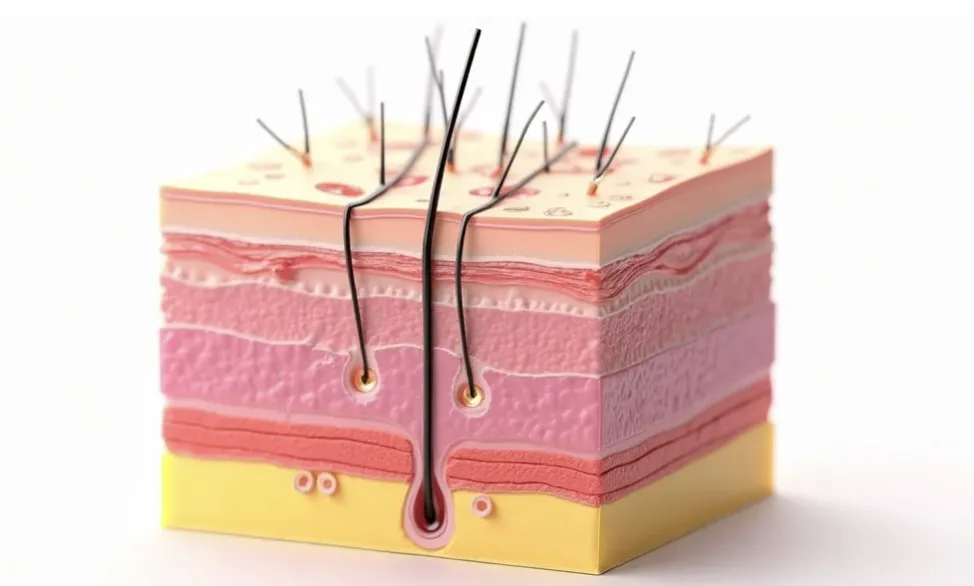
Thread lift resources promote natural collagen synthesis, gradually firming and rejuvenating the skin beyond the initial lifting effect.
Thread Lift Results Timeline: Resourceful Guidance for Patient Expectations
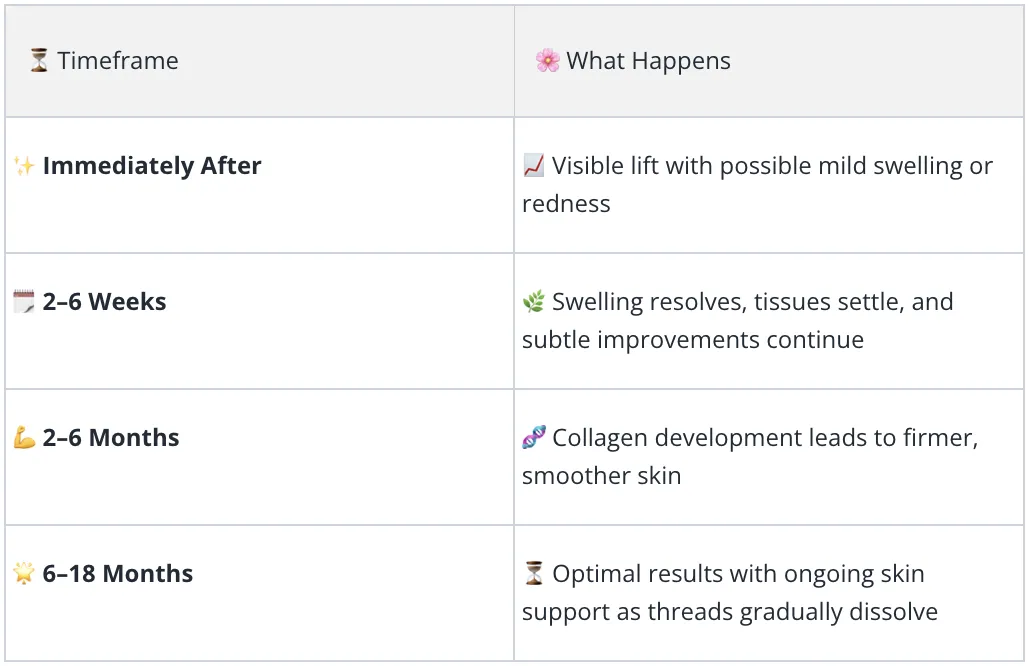
Phases of Recovery and Visible Improvement
Immediate lift visible
2–6 weeks: swelling resolves, tissues settle
2–6 months: collagen develops, skin quality improves
Maintenance: ongoing support with time
One of the unique aspects of thread lift resources is the two-phase timeline: first, there’s an instant “wow” factor as sagging tissue is physically lifted; second, deeper changes appear incrementally as collagen continues to build over several months, enhancing the skin’s tone and resilience. For most patients, the hallmark natural results become increasingly evident with each passing week.
Discussing this timeline early helps set realistic expectations and ensures every patient feels confident at every recovery stage.
How Long Do Thread Lift Results Last? Durability Insights from Thread Lift Resources
Average Longevity and Maintenance Tips
Most results last 12–18 months
Longevity depends on age, skin type, tissue quality, and lifestyle
Maintenance treatments may extend optimal lift
The typical results from a PDO thread lift last 12–18 months, with longevity influenced by factors like genetics, age, degree of skin laxity, and daily habits such as sun protection and skincare. Young patients or those with more robust skin structure may see even longer-lasting results. For ongoing rejuvenation, touch-up procedures or combining thread lifts with dermal fillers can help maintain improvements.
Thread Lift vs Facelift: Essential Comparison Using Thread Lift Resources
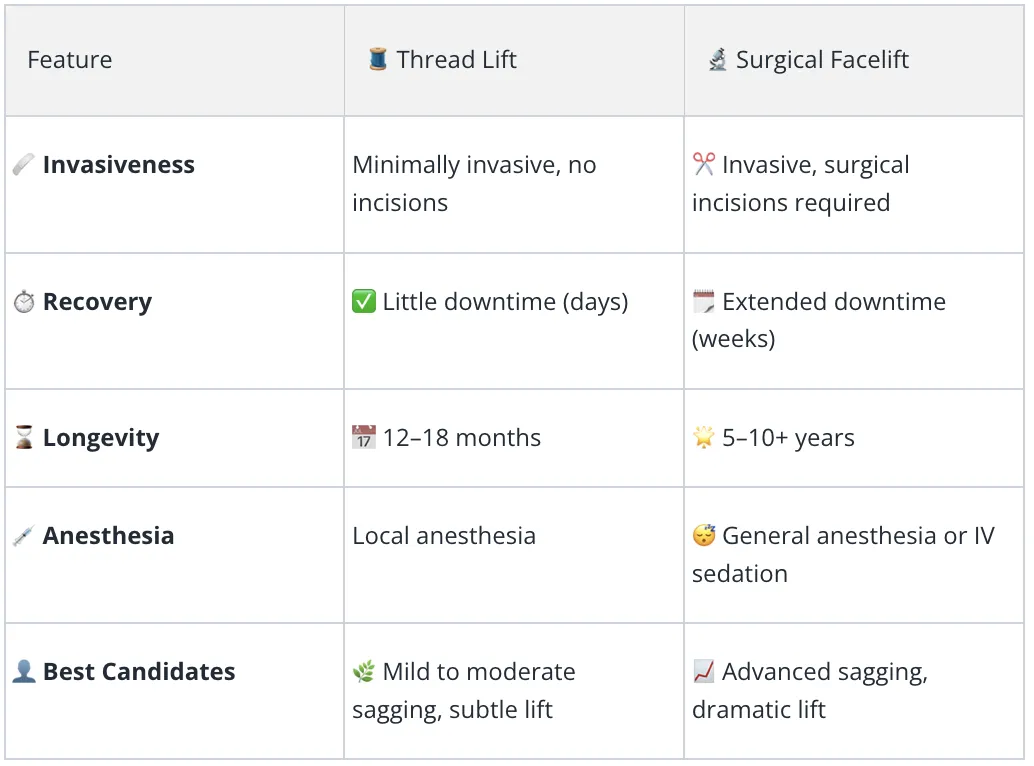
Choosing Between Thread Lift Resources and Traditional Surgery
When considering facial rejuvenation, it’s important to weigh the pros and cons of thread lifts versus surgical facelifts. Thread lift resources are ideal for those who want visible improvement with minimal disruption to daily life, while facelift surgery remains the gold standard for severe sagging or for those seeking dramatic, long-term changes. Consulting a plastic surgeon or medical professional experienced in both modalities ensures the most appropriate, personalized recommendation.
Many patients start with a thread lift as a “preview” or intermediate step before ever considering more invasive options.
Recovery and Downtime after Thread Lift: Guiding Resources for Aftercare
First 24–72 Hours and Restrictions
Sleep with head elevated
Avoid strenuous activity for up to one week
Minimize facial movements
Follow all aftercare instructions closely
The first 24–72 hours following a thread lift are key for optimal results. Sleeping with your head elevated helps minimize swelling. It’s best to avoid vigorous exercise, facial massages, or aggressive facial movements (like chewing hard foods or laughing widely) for about a week. Most side effects—mild swelling, bruising, and tenderness—fade quickly when aftercare is followed.
If you notice persistent redness, pain, or any unexpected symptoms, contact your provider right away.
Aftercare Checklist for Thread Lift Resources
Keep skin clean and avoid makeup on the treated area for 24 hours
Use cool compresses to minimize swelling
Refrain from lying flat; keep head elevated
Do not rub or massage face vigorously
Follow all personalized aftercare instructions
Proper aftercare is critical for maximizing your results after a thread lift procedure. Your provider will also discuss skincare routines and any suitable topical agents or supplements to support healing and long-lasting benefits.
Risks and Side Effects: Safety-Focused Thread Lift Resources
Common: Swelling, bruising, mild tenderness
Less common: Thread visibility, asymmetry, infection
Choose a medical professional experienced in PDO thread procedures for safety
Like any cosmetic procedure, thread lifts carry risks. Most side effects are minor and temporary, including mild swelling, bruising, or tenderness at entry points. Less commonly, threads may become visible beneath thin skin, or cause slight asymmetry if not expertly placed. Infection risk is very low when thread lift resources are performed by trained professionals in a clinical setting. Choosing an experienced provider significantly minimizes these risks and ensures a reliable, satisfying outcome.
Combining Thread Lift with Other Treatments: Integrative Thread Lift Resources
Complimentary Procedures with Thread Lift Resources
Dermal fillers for added volume
Botox for dynamic wrinkle reduction
Skin boosters and laser treatments for texture and tone
For enhanced facial rejuvenation, thread lift resources can be combined with other non-surgical modalities. Dermal fillers add volume to areas not suitable for lifting alone, while neuromodulators like Botox soften dynamic wrinkles. Advanced skin boosters and energy-based treatments like lasers can further improve texture, pigmentation, and tone.
A holistic, sequence-based treatment plan—customized by your provider—can maximize radiance and extend rejuvenation.
Frequently Asked Questions: Thread Lift Resources Answered
What is a thread lift and how does it work?
A thread lift is a minimally invasive procedure using absorbable PDO threads placed beneath the skin to lift sagging tissue. Threads both mechanically lift and stimulate your body to produce new collagen for firmer, more youthful skin. The result is a subtle, natural-looking lift and improved definition, especially for the face and neck.
What areas of the face can be treated with thread lift resources?
Thread lifts are typically used to lift the cheeks, define the jawline, elevate the brow, tighten loose neck skin, and soften nasolabial folds or marionette lines. Your provider will recommend the best areas based on individual anatomy and skin laxity.
How long does a thread lift procedure with PDO thread resources take?
Most thread lift procedures take about 45–90 minutes, depending on the number of areas treated and threads used. The process includes consultation, anesthesia, thread insertion, and immediate results assessment. Recovery is quick, and patients can usually resume daily activities within a day or two.
Is anesthesia needed for thread lift resources?
Yes, local anesthesia is used at entry points to ensure minimal discomfort during a thread lift. Most patients experience only mild pressure or tugging, with little to no pain during or after the procedure.
What is the recovery time after using thread lift resources?
Recovery is usually brief. Most swelling, bruising, and tenderness subside within a few days. Patients are advised to avoid strenuous activities and excessive facial movement for about a week to ensure optimal healing.
When will I see the full results from thread lift resources?
You’ll see an immediate lifting effect after the threads are placed. As swelling resolves in 2–6 weeks and collagen builds over 2–6 months, skin tightness and contouring continue to improve. Full results are typically achieved within 3–6 months.
How long do thread lift results last?
Most results last 12–18 months. Individual factors such as age, skin quality, and lifestyle can affect how long the effects are visible. Maintenance treatments can help extend your results.
Are there any side effects of thread lift resources?
Common side effects include mild swelling, bruising, and tenderness that usually resolve within days. Less common risks are thread visibility, asymmetry, or infection—minimized by choosing an experienced, qualified provider.
Who should avoid thread lift procedures?
People with severe skin laxity, thin or fragile skin, chronic autoimmune or bleeding disorders, or active skin infection should avoid thread lifts. A thorough provider consultation ensures you’re a safe candidate for the procedure.
Can thread lift resources be combined with other treatments?
Yes, thread lifts can be paired with treatments like dermal fillers, Botox, and skin boosters for comprehensive facial rejuvenation. Combination therapy is tailored for your goals and ensures optimal, balanced results.
People Also Ask: In-Depth Answers About Thread Lift Resources
Is thread lift better than a facelift?
Thread lifts are minimally invasive and best for mild to moderate sagging, while facelifts are surgical and ideal for advanced aging. Thread lifts offer shorter recovery and fewer risks but do not achieve the dramatic results of surgery. The right choice depends on your goals and anatomy.
How long do thread lift results last?
Thread lift results commonly last 12 to 18 months. Longevity varies with patient age, skin quality, and lifestyle factors. Maintenance treatments may prolong visible improvements.
Can thread lifts tighten sagging skin?
Yes, thread lifts mechanically lift and tighten sagging skin on the face and neck, while also triggering new collagen production for progressive firmness and better skin quality over time.
What are PDO threads made of?
PDO threads are made from polydioxanone, a medical-grade polymer widely used in surgical sutures. They are biocompatible and safely absorbed by the body over several months.
Is there downtime after thread lift?
Downtime is minimal. Most people return to normal routines within a day or two, though some swelling or bruising may persist for several days. Avoid heavy exercise and significant facial movements for about a week.
What are the risks of thread lift procedures?
Risks are generally low when performed by experienced providers. Possible side effects include swelling, bruising, tenderness, mild asymmetry, thread visibility, or, rarely, infection.
Do thread lifts look natural?
Yes, when properly performed, thread lift results look natural and subtly rejuvenate facial contours without an “overdone” appearance. Skilled placement and precise technique are key to natural results.
How soon will I see results after thread lift?
You’ll see some lift immediately after the procedure, with further improvement as swelling decreases and collagen formation progresses over the following weeks and months.
Can thread lifts be removed?
In most cases, PDO threads are left to safely dissolve. If necessary, visible or misplaced threads can sometimes be removed by a qualified provider using a simple in-office technique.
Do thread lifts stimulate collagen?
Yes, the insertion of PDO threads triggers a wound-healing response, which increases collagen production. This results in firmer, smoother skin that continues to improve for months after the procedure.
Conclusion and Next Steps for Thread Lift Resources
Summarizing Thread Lift Resource Benefits and Patient Guidance
Minimally invasive skin lifting
Natural collagen stimulation
Little downtime and visible rejuvenation
Personalized treatment for face and neck
Safety with qualified medical professionals
Discover how thread lift resources can help you achieve a refreshed, lifted look without surgery. Consult with an experienced provider for best results.
Contact Us to Find the Best Med Spa Services for Your Skin Care Goals
Ready to explore your options or have more questions about thread lift resources? Contact our clinic team today to schedule a personalized consultation and discover the best pathway to tighter, younger-looking skin—no surgery needed.
If you’re interested in taking your research further and want to see how thread lifts compare with other leading med spa treatments, the Best Med Spa US directory offers a comprehensive overview of top-rated clinics and the full spectrum of non-surgical rejuvenation options. Exploring this resource can help you make informed decisions, discover innovative procedures, and connect with trusted providers who prioritize your safety and satisfaction. Whether you’re considering a thread lift or another advanced aesthetic solution, this directory is your gateway to expert guidance and the latest in med spa excellence.
S. Raj, M.D. / Bestmedspaus.com
Director, Search Intelligence University/IABLEd
International Association for Business Leaders’ Education
Sources

The IABLEd
Beauty Intelligence University
The Definitive Curriculum for Search MarketVibrance and Beauty
Invenire. Imperare. Excludere.
Be Found. Command. Exclude.
Command Your Body. Control the Effects.
Want Your World to Discover You,
the Easy Way?
Experience wellness while exploring opportunities.
We provide the necessary architecture to transform your body into a vibrant, work of art and global influence. Ask us how.
Copyright 2026. Best Med Spa US. All Rights Reserved.

* * * * *
COMPANY
30721 Russell Ranch Rd Suite 140, Westlake Village, CA 91362
CUSTOMER CARE
Get In Touch
Mon – Thurs
10:00am – 4:00pm
Fridays by Appointment
Saturday, Golf
Sunday –hurch
LEGAL
Stay informed about how new technology can make or break a brand.
FOLLOW US


Invenire. Imperare. Excludere.
Be Found. Command. Exclude.
© 2026 IABLEd Search Box Intelligence Academy | All Rights Reserved.
1. SBO Foundations 2: Practical SBO Implementation 3: Deeper Strategy & Behavior
4: Advanced Tactics & Data 5: Expert / Future-Facing 6 Bonus Academy Series